A city with many jazz stories
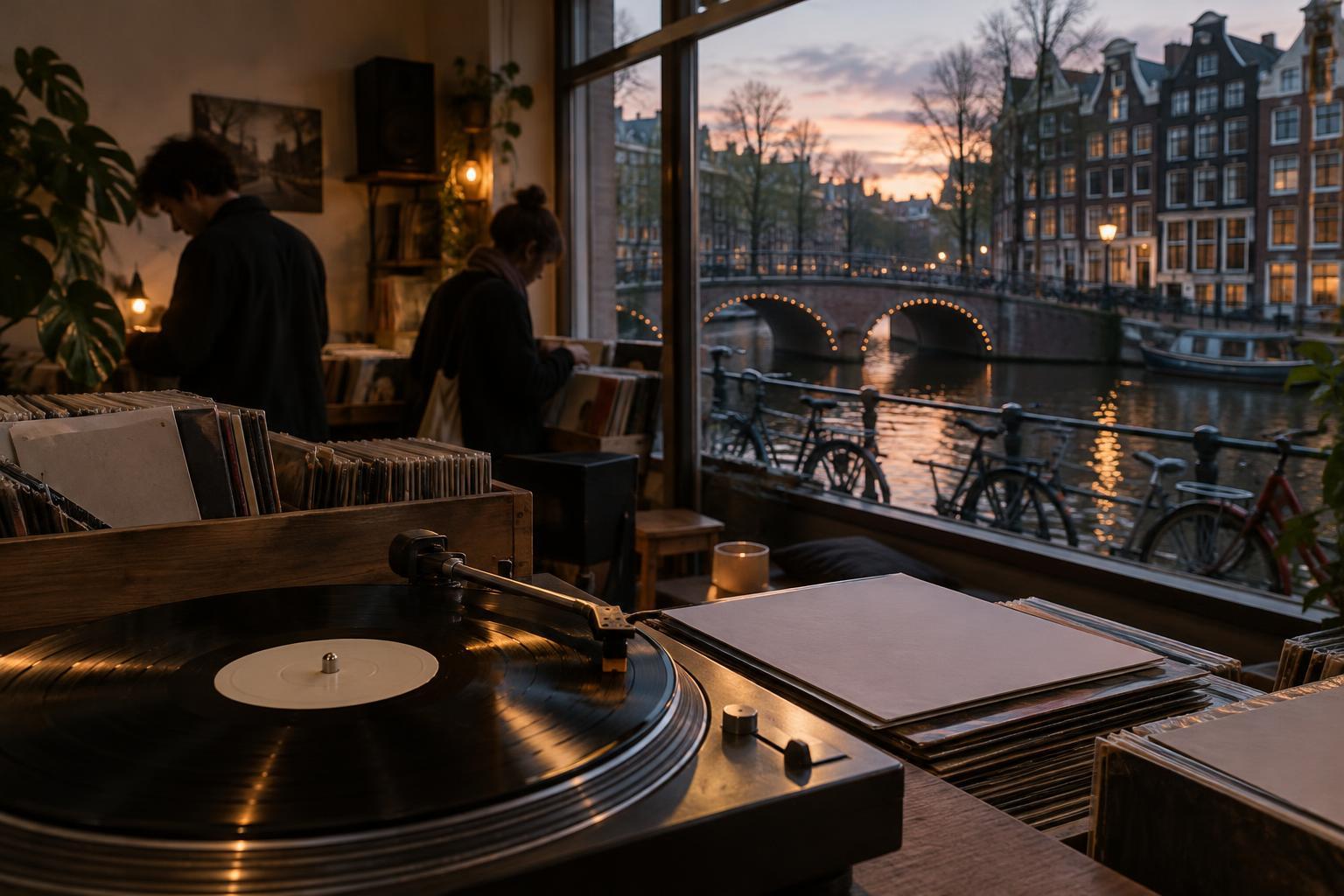
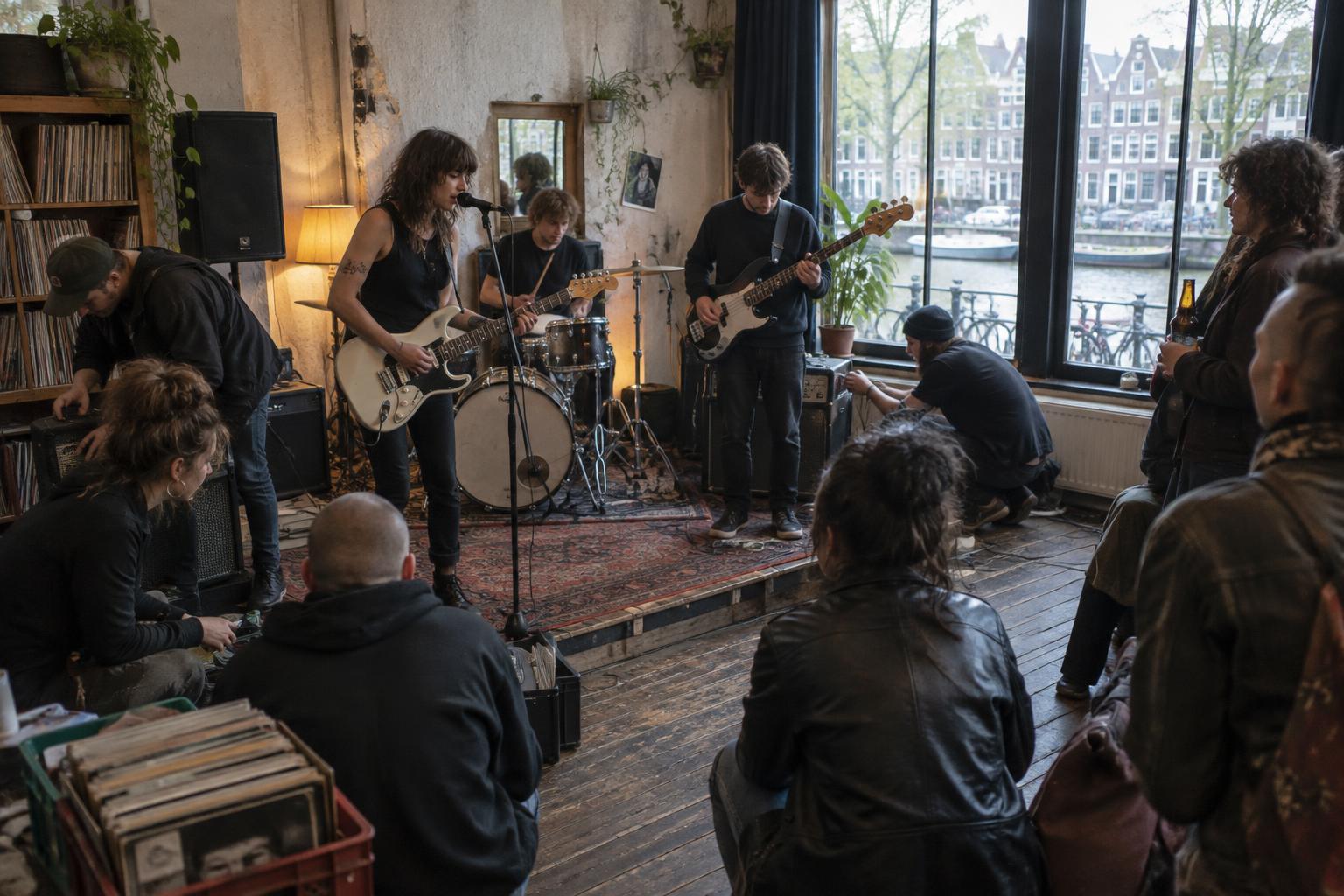
Amsterdam’s jazz heritage is easier to understand as a network than as a single timeline. Musicians have met in clubs, cafés, rehearsal rooms and concert halls; audiences have encountered the music through performances, radio, record shops and collections at home. Visiting players bring sounds from elsewhere, while local musicians reshape what they hear. The result is not one fixed “Amsterdam sound,” but an ongoing exchange between styles, generations and communities.
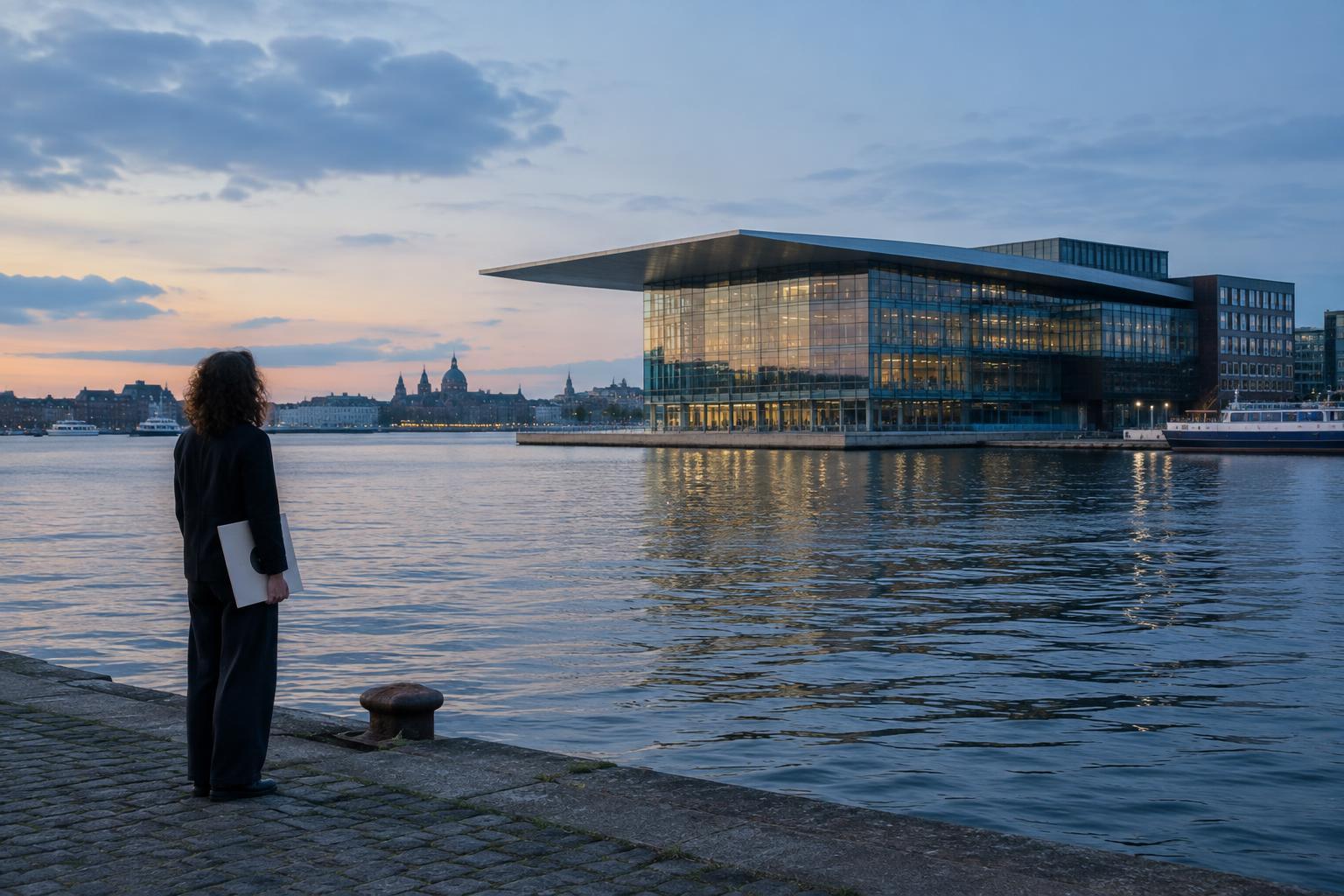
That breadth matters when talking about the Bimhuis. The venue is a prominent part of the city’s jazz life, but it does not stand in for every place where Amsterdam’s music has developed. Smaller stages and informal encounters are part of the story too. Think of the Bimhuis as a listening point: a place from which to notice how a city supports musicians who work both within jazz traditions and beyond their edges.
The Bimhuis as a home for improvisation
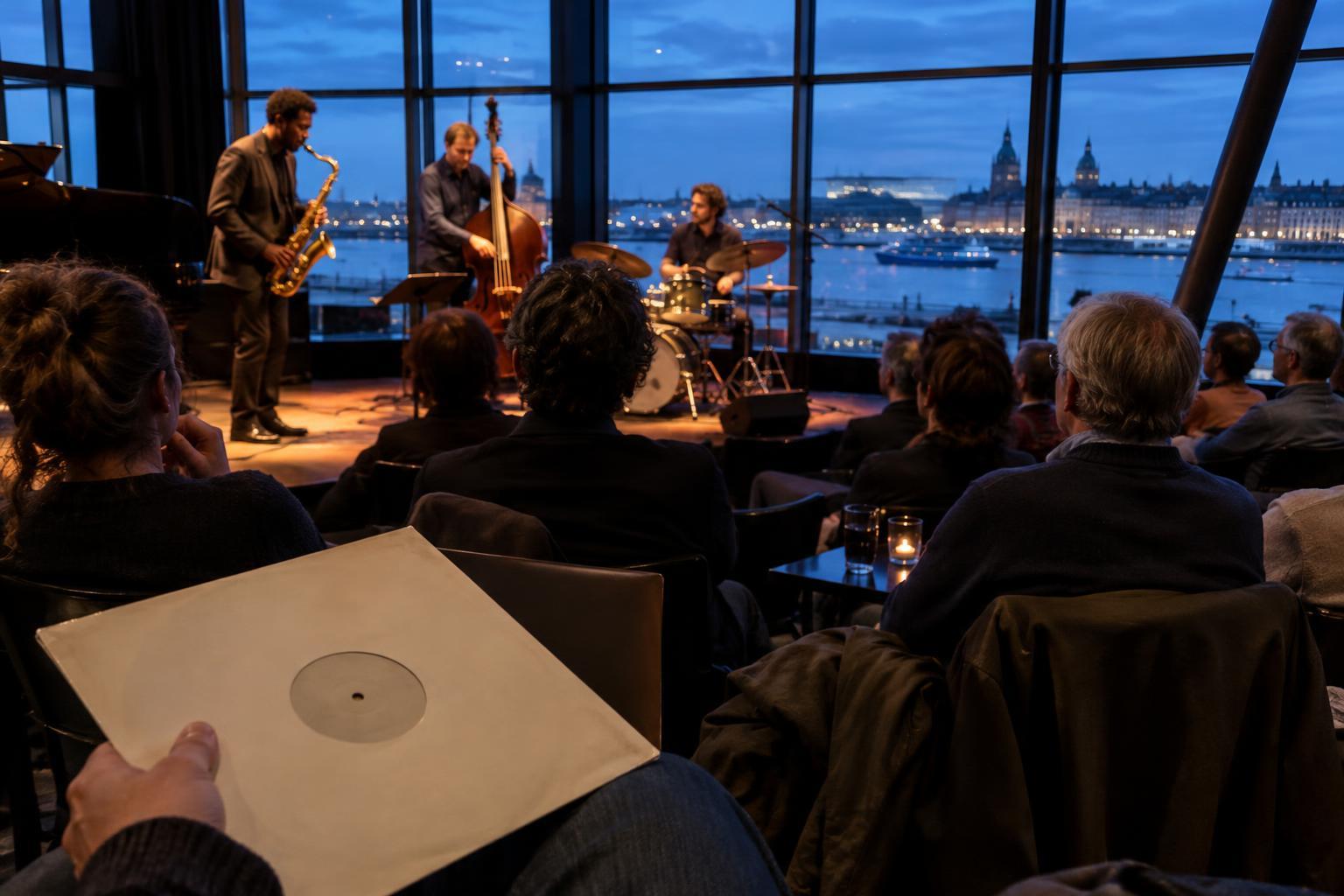
The Bimhuis has long been associated with jazz and improvised music. Its programming has made room for different approaches: groups built around composed pieces, musicians who stretch familiar forms, and performers for whom the shape of a set emerges in the moment. That range is important. Jazz heritage is not only a matter of preserving established repertoire; it also depends on giving musicians room to test ideas in front of an audience.
A performance there can draw your attention to the decisions players make together. A drummer may change the pulse without announcing a new section. A soloist may leave space for another instrument to answer. A familiar melody may return sounding different after an extended passage of improvisation. You do not need to identify every technique to follow the conversation. Listening for changes in pace, texture and response can be enough.
The venue’s place in Amsterdam also reflects a wider relationship between local and international music-making. An audience might hear an Amsterdam-based ensemble one evening and a visiting group another. Those encounters help make a city’s musical culture more than a collection of separate scenes.
Heritage that stays in motion
It can be tempting to describe jazz heritage only through landmark recordings and celebrated names. Those are valuable entry points, but live music reveals something records cannot fully preserve: the choices made for a particular room, audience and night. An improvisation might respond to the acoustics, a fellow player’s unexpected phrase or the energy of a quiet crowd. Even when musicians play a piece they know well, the performance need not follow the same route twice.
This is one reason a venue such as the Bimhuis matters to the story of jazz in Amsterdam. It offers space for music to be heard as a present-tense practice, not just a historical style. New listeners can encounter established forms without being required to treat them as museum pieces. Experienced listeners can hear musicians challenge their own habits. Both experiences contribute to a living heritage.
Approaching that heritage with curiosity also helps avoid narrow definitions. Jazz and improvised music can overlap with other traditions, and musicians may draw on several at once. Rather than asking whether every performance fits a strict label, consider what the players are doing with rhythm, melody and collective attention.
Listening beyond the concert
For a record collector, a concert can open a path back to the shelves. After hearing a group live, look for recordings by its members, including projects where they play supporting roles. Follow the personnel notes on a sleeve: a bassist or pianist you enjoyed may connect you to a different ensemble or period. This approach turns collecting into a way of tracing musical relationships rather than simply accumulating albums.
The reverse works as well. Bring the habits of close vinyl listening to a performance. Notice where an instrument sits in the overall sound, how a theme changes when it returns, and when the group chooses silence. At home, compare two recordings of the same piece if you have them, listening for differences in arrangement and interaction rather than trying to decide which is definitive. Records can reward repeated attention; live music reminds you that no recording captures every possibility.
Making your own connection to Amsterdam jazz
You do not need a comprehensive knowledge of jazz to engage with the city’s music culture. Start with a performance or a record that catches your ear, then follow one thread: an instrument, an ensemble member, a style of improvisation or a recurring composition. Give unfamiliar music time before sorting it into categories. An evening that challenges your expectations may prove more memorable than one that confirms them.
The Bimhuis provides one way into that exploration, while Amsterdam’s broader musical life supplies many others. Together, they suggest a practical definition of heritage: not only what a city has heard in the past, but what its musicians and listeners continue to make possible.