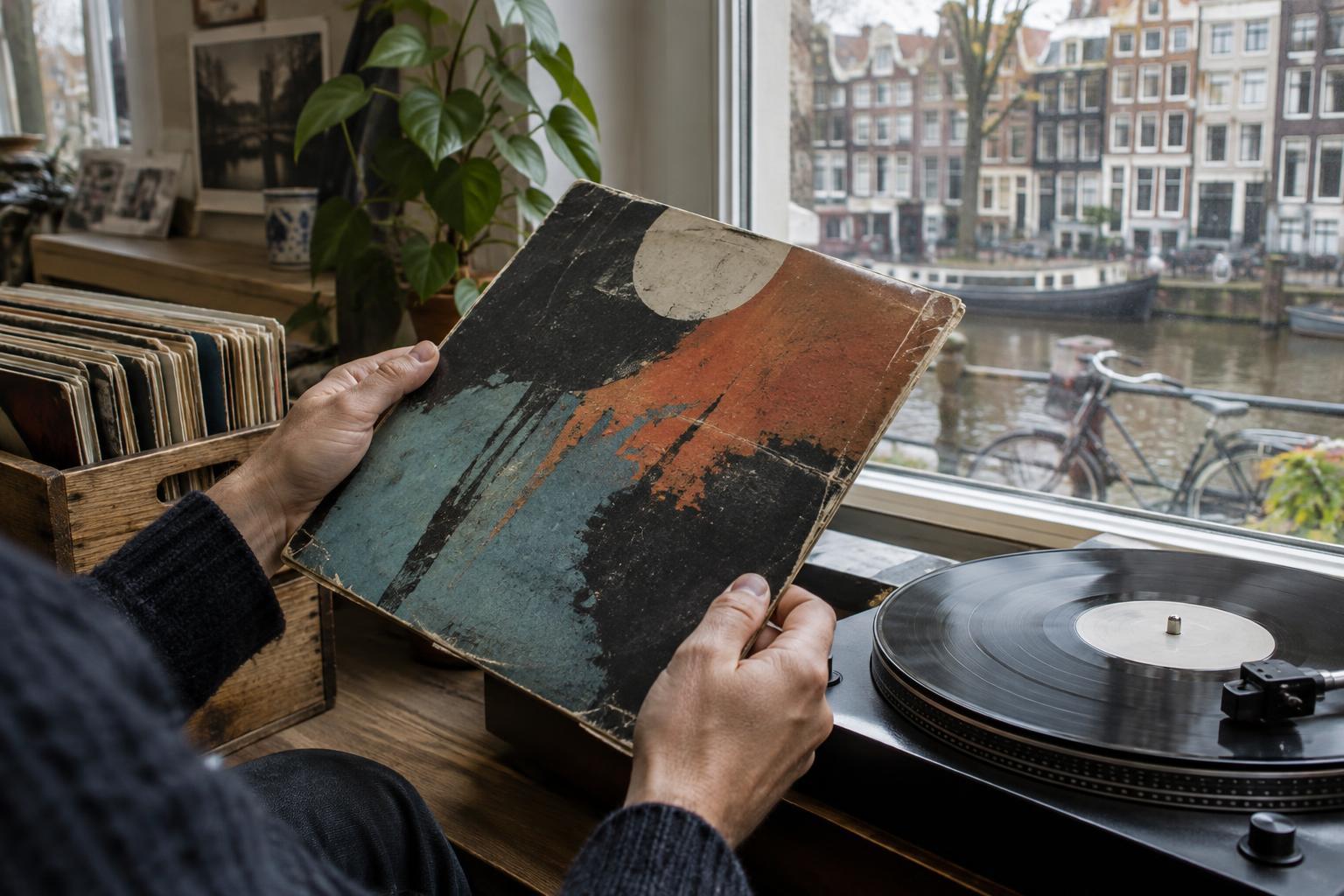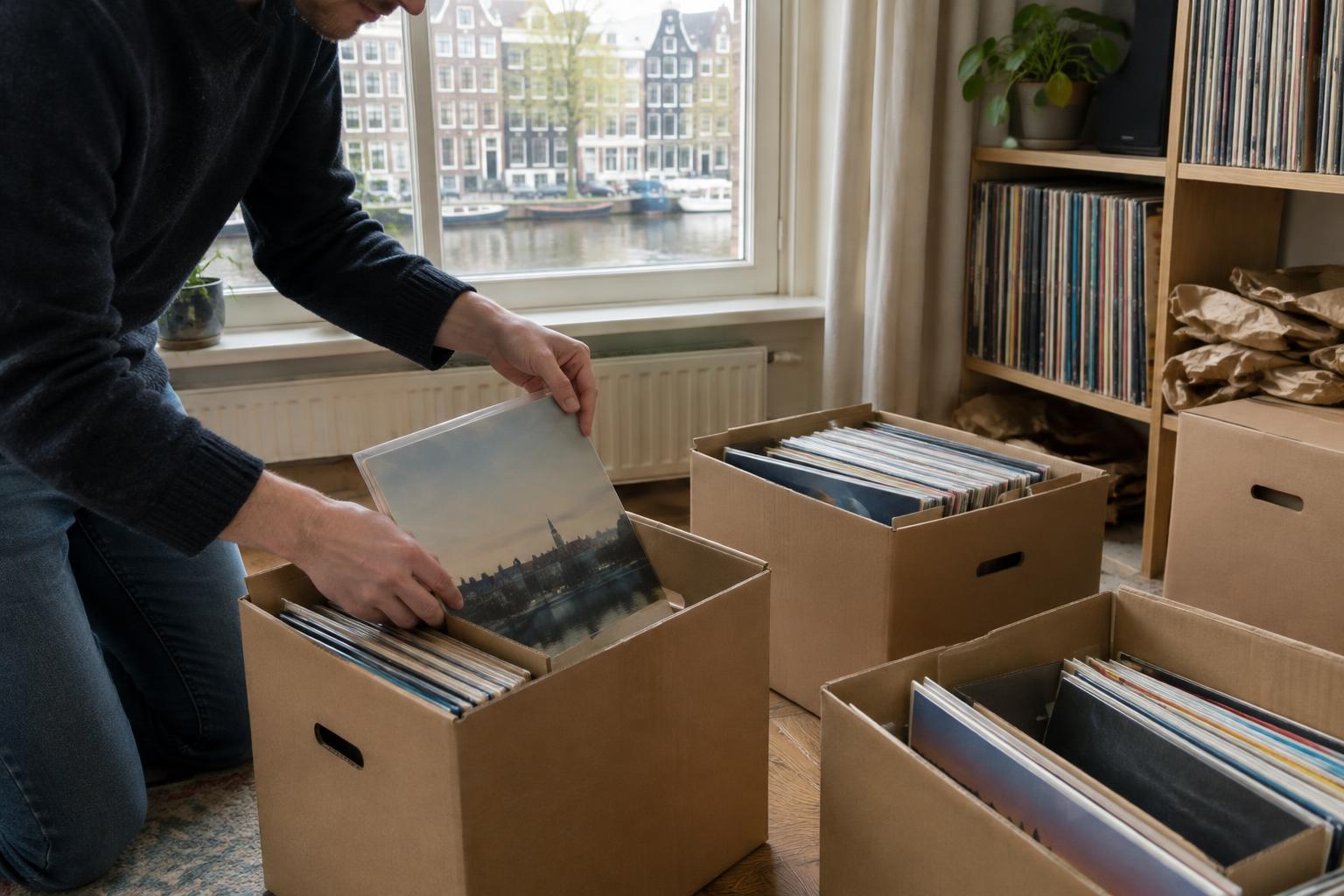
Decide What Needs to Stay Together
A move is a chance to make your collection easier to handle, not a reason to reorganize every record at once. Before packing, decide which groupings you want to preserve: by artist, genre, label or the order the records already occupy on your shelves. Take a photo of each shelf if that order matters to you. You do not need to catalog every album, but a quick count of shelves or sections will help you notice if a box is missing later.
Set aside records you expect to play soon, along with anything you would be especially disappointed to misplace. Put them in a clearly marked box that you can keep track of personally. If friends or housemates are helping, agree on who will label boxes, who will carry them and where they should be placed at the destination. For a separate look at how people think about shared responsibilities in another setting, you can browse Team Coordination · Air Response Journal.
Pack for Support, Not Maximum Capacity
Records become heavy quickly, so use small, sturdy boxes rather than filling large moving cartons. Choose boxes that let LPs stand upright with their edges supported. Keep the contents snug enough that the records will not tip over, but do not force in an extra album or compress the sleeves. Fill a modest gap with clean packing paper or a piece of cardboard. Avoid packing records flat under a stack of other belongings.
Keep discs in their inner sleeves and jackets. If a record is already stored with the sleeved disc outside the jacket, maintain that arrangement so the jacket is not pressed around it. For fragile or valuable sleeves, a protective outer sleeve can help reduce rubbing during handling. Keep loose inserts with their albums, and make sure no tape touches a record or jacket.
Give each box a number and a short description, such as “3 of 8: jazz, A–M.” Mark which side stays up. A numbered list on your phone or a sheet of paper is enough to connect boxes with shelf sections. Make the writing easy to read without opening the box; this will save time when several similar cartons arrive together.
Plan the Journey Before Lifting
Think through the route from shelf to vehicle and from vehicle to the new shelf. Clear doorways, check that each person can lift a packed box comfortably and avoid stacking anything heavy on top of the records. Boxes should sit securely in transit rather than where they can slide or fall. If a move involves a long stop, try not to leave records in a parked vehicle exposed to strong heat or direct sun.
It helps to designate one place at the destination for all record boxes before anyone starts unloading. Ask helpers to bring them there rather than distributing them among rooms. That simple handoff makes it easier to count the boxes and keeps them away from other unpacking activity. If the planning side of moving interests you beyond record collecting, Transport Logistics · Air Response Journal offers a different context for browsing transport logistics.
Unpack Before You Rearrange
Once the boxes are indoors, compare their numbers with your list. Check for crushed corners, dampness or boxes that no longer hold their shape before putting albums on a shelf. If a box or its contents feel damp, deal with that promptly rather than closing it again and leaving it in storage. Handle affected sleeves gently and allow them to dry away from direct heat; do not assume a record is ready to play until you have inspected it.
Reshelve one numbered section at a time. Leave enough room that you can remove an album without dragging neighboring jackets along with it, and keep the records upright with support at the ends of each row. Save any ambitious reordering until the collection is safely back on shelves. A successful move does not require a perfect new system on day one: it means knowing where your records are and being able to play them again.