A sound that travels and takes root
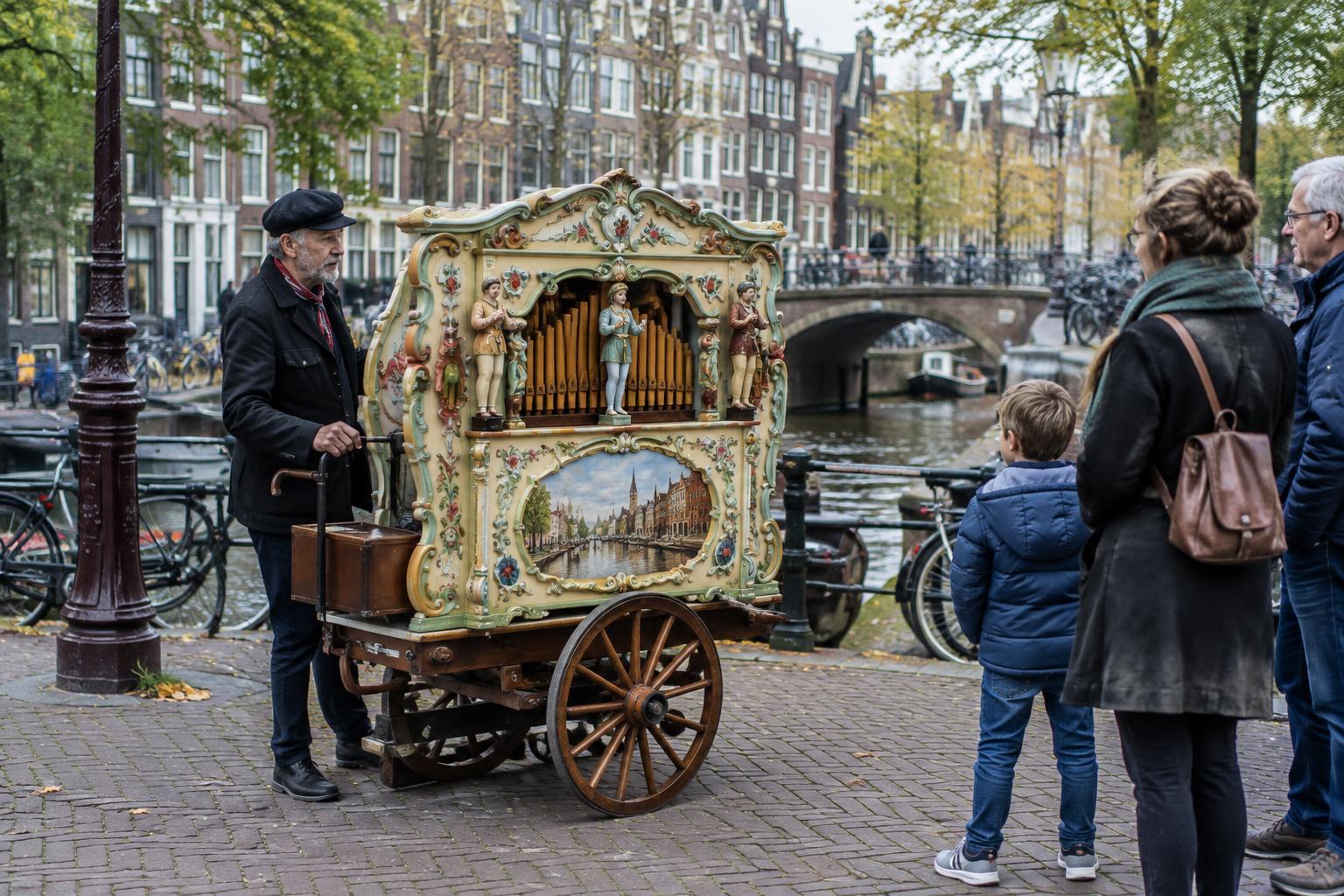
Reggae and dub began in Jamaica, but their records, techniques and ideas have travelled widely. In Amsterdam, they form part of a musical landscape shaped by migration, exchange and local creativity. The city’s Surinamese and Caribbean communities are important to that wider landscape, though no single community or venue can stand for every reggae listener or event. What connects many gatherings is the pleasure of hearing a familiar rhythm become something new when a selector places it beside another record.
Reggae can carry a song through its melody, voice and lyrics. Dub often draws attention to the spaces inside that song: a bass line comes forward, a vocal phrase disappears, and echoes make a drum hit seem to stretch across the room. Those descriptions are starting points, not strict boundaries. At a night out, roots reggae, dancehall, steppers, ska or other styles may sit together, depending on the people playing and the crowd they have invited.
Where the community gathers
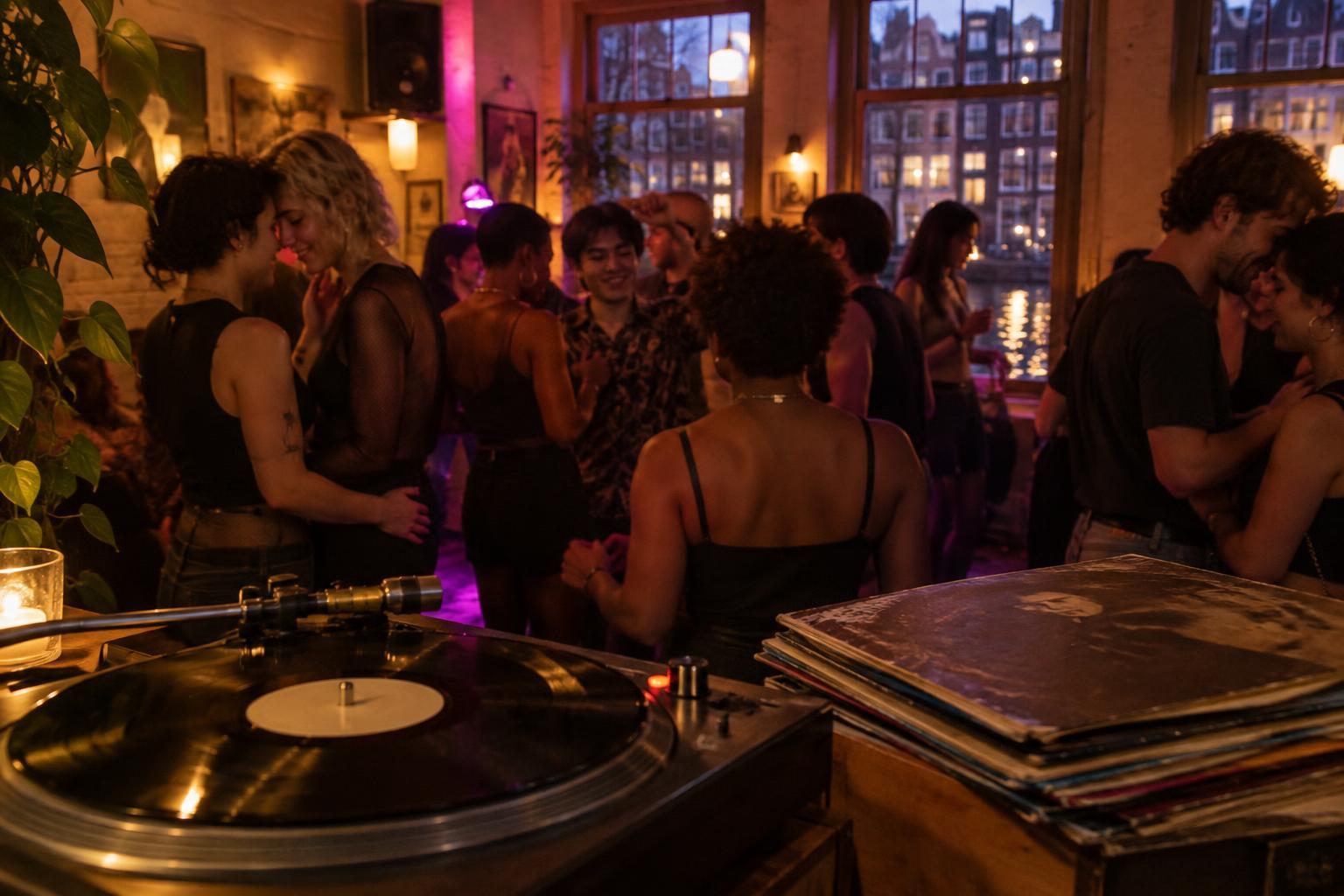
There is no single address that defines Amsterdam’s reggae and dub culture. People meet around club nights, sound-system sessions, concerts, community spaces and record shops. A gathering might centre on dancing; another might invite close listening to a selector’s records. Spaces and schedules change, so it is more useful to follow the people who organise events than to rely on a fixed list of places.
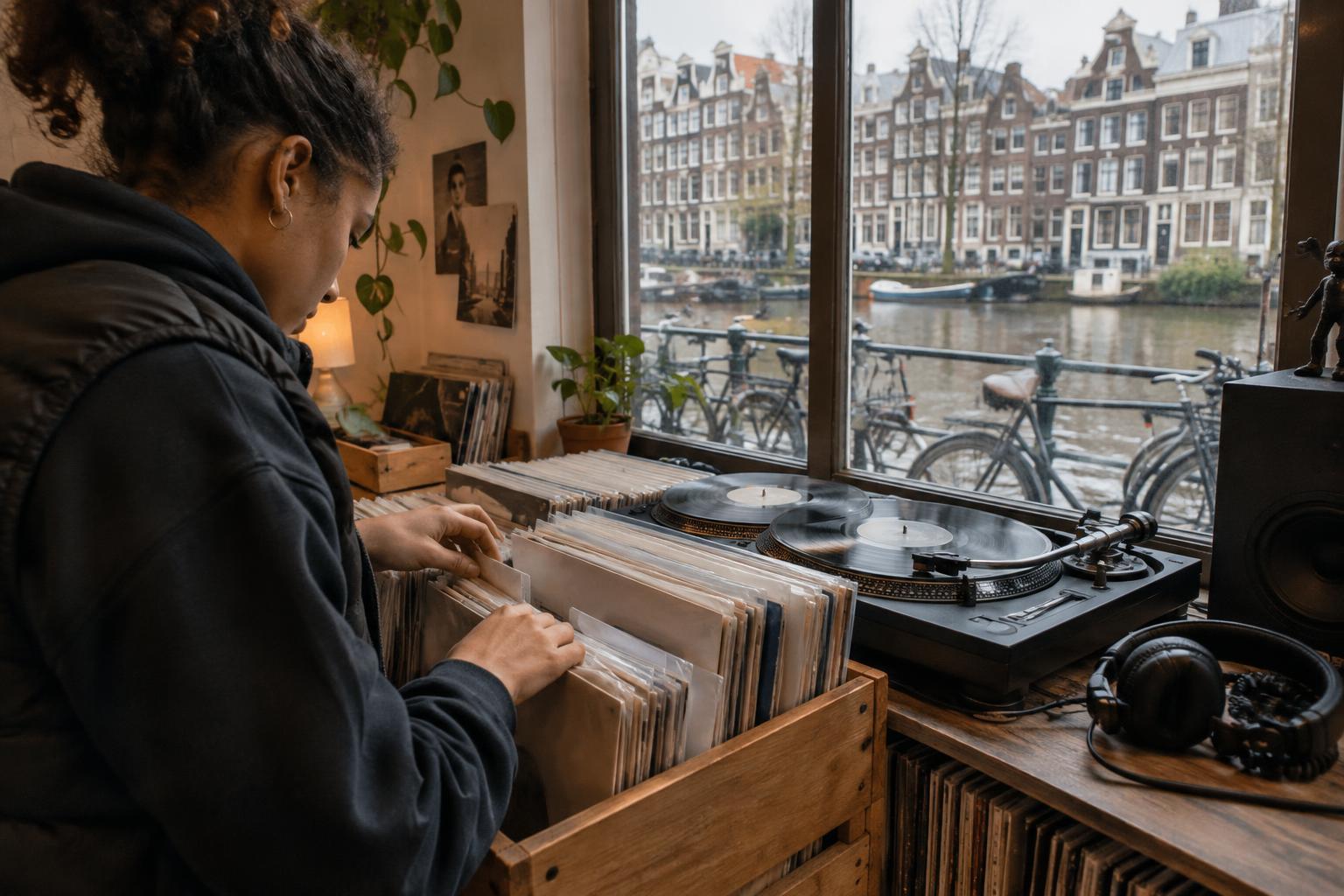
A record shop can be a valuable point of entry even when no event is happening there. Browsing reggae sections reveals how listeners connect Jamaican releases with music made elsewhere, and a conversation at the counter may introduce a label, artist or local selector worth following. Buy something if you can, ask focused questions when staff have time, and remember that a shop is a workplace as well as a meeting place. For event details, check an organiser’s own announcements before setting out; that also helps you understand whether a session is a seated performance, a dance or something in between.
Listening to a sound system
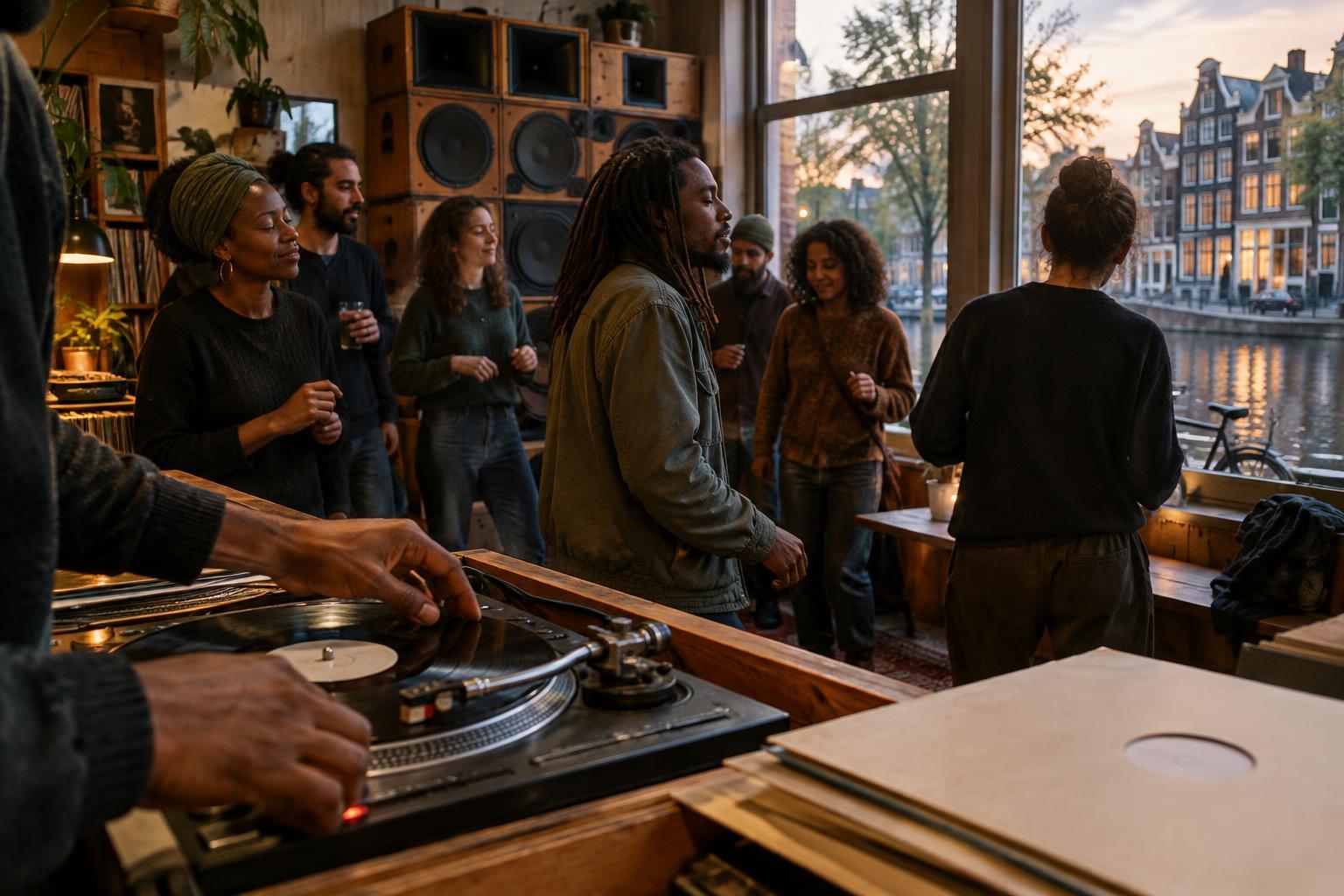
A sound system is more than a set of large speakers. In reggae culture, the term can describe the equipment, the selectors and crew who operate it, and the social occasion built around them. Bass matters, but volume alone is not the point. Pay attention to how the low end supports a rhythm, how a new record changes the room’s energy, and how an MC or selector responds to the dancers. The space, equipment and audience all affect what you hear.
Vinyl remains part of this culture, although not every session uses records exclusively. A seven-inch single can make a song, its version and its label feel like a compact story. Dub versions are especially rewarding to compare with vocal cuts: familiar elements return in different proportions, offering another way into the same rhythm. If a selector is working, enjoy the music without treating the booth as an information desk. Note a lyric or label detail and ask about a tune later, when there is room for a conversation.
Taking part without taking over
The most useful approach to an unfamiliar gathering is simple: listen first. Notice whether people are dancing, talking between selections or concentrating on the speakers. Respect the space around the equipment, follow the venue’s rules, and avoid blocking someone else’s view or movement for a video. If you want to photograph performers or attendees, ask when practical. A welcoming atmosphere does not make every moment public property.
Reggae and dub carry histories as well as pleasures. Lyrics and sessions may address faith, politics, displacement, solidarity or everyday life; they need not do all of these things to be meaningful. Rather than treating Amsterdam’s scene as an exotic discovery, learn who is organising a night and give credit when you share a recording or recommendation. Supporting events, buying records or merchandise where available, and bringing a curious friend are modest ways to help gathering places remain gathering places.
Following the music home
A good session can change how you listen to your own collection. Try placing a vocal reggae cut beside its instrumental or dub counterpart, then listen for what is removed as carefully as for what is added. If you are new to the music, choose a small group of records and live with them for a while instead of trying to map every subgenre at once. Sleeve notes, labels and conversations can provide useful trails without replacing the experience of listening.
Amsterdam’s reggae and dub communities are best understood through repeated encounters, not a checklist of venues. Return to a night you enjoyed, follow a selector whose choices surprised you, and stay open to sounds that do not match your expectations. The city becomes easier to hear when its music is approached as something people make together.