A concert hall at the heart of the city
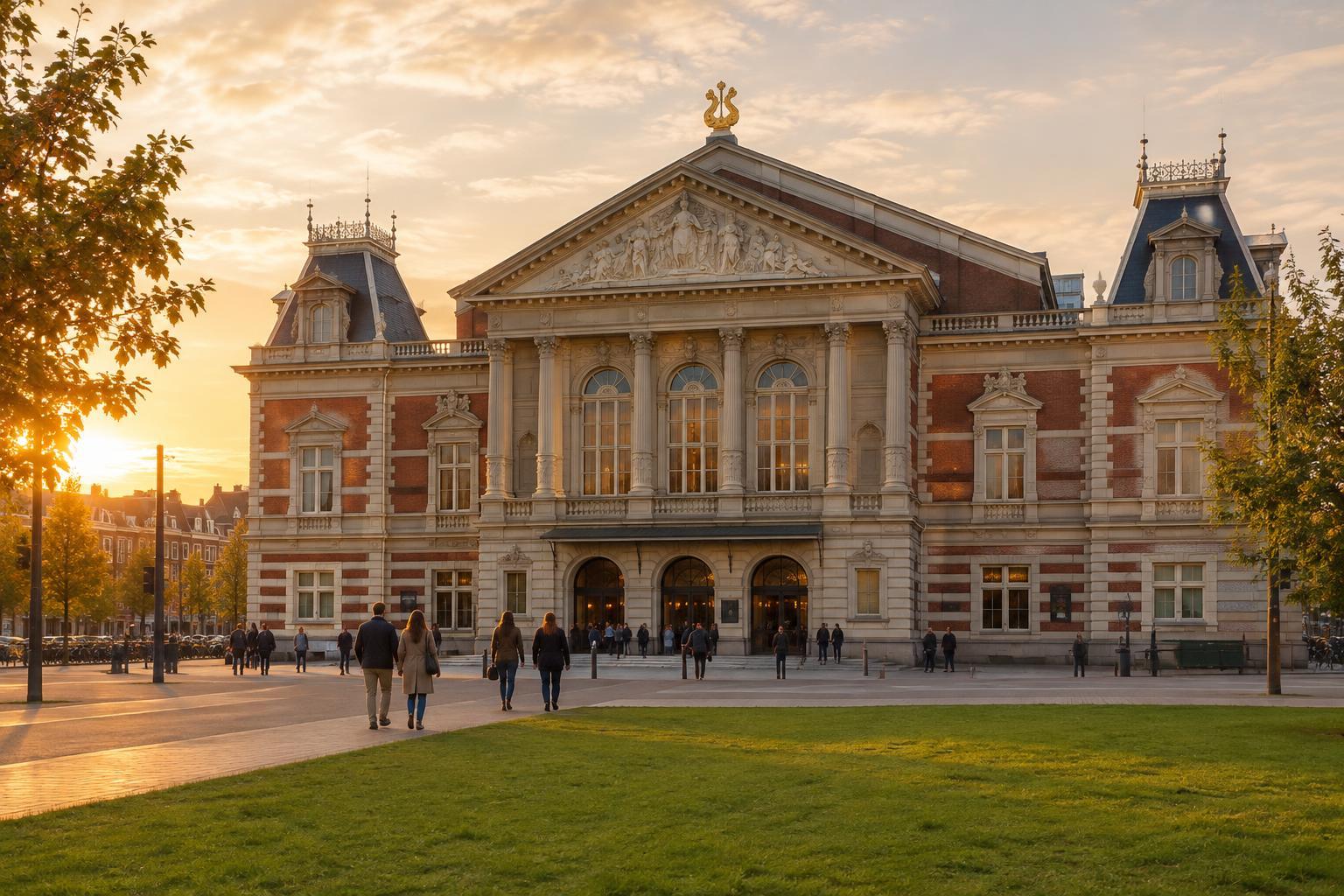
Amsterdam’s Concertgebouw sits near Museumplein, within easy reach of several of the city’s best-known museums. Its name means “concert building,” which is a useful starting point: the Concertgebouw is a venue, not a single ensemble or one kind of concert. It hosts orchestral performances, chamber music, solo recitals and other programmes. You do not need an extensive knowledge of classical music to find something worth hearing there.
The Royal Concertgebouw Orchestra is closely associated with the hall, but the orchestra and the building are distinct. Checking both the performers and the programme helps you understand what you are booking. A visit might mean a large ensemble playing a symphony, a pianist alone onstage, or a small group whose members respond to one another at close range. Each offers a different way into Amsterdam’s musical life.
Choose a concert by sound, not by expertise
If you are new to classical concerts, start with what interests you. A programme built around an orchestra may appeal if you enjoy the scale and changing colours of many instruments. Chamber music can make musical conversation easier to follow: one player introduces an idea, another answers or alters it. A recital gives you more time to focus on a particular instrument or performer. Programme descriptions can help, but you can also choose a familiar composer, an unfamiliar work, or simply an evening that fits your plans.
Look at the venue information before booking. The Concertgebouw’s Main Hall and Recital Hall create different listening experiences. In a larger orchestral performance, try following how a melody travels between sections rather than attempting to identify every instrument. In a smaller setting, notice the pauses, changes of touch and moments when players seem to breathe together. Seating position can change what you hear, so no single seat provides the only “correct” experience.
What to expect when you arrive
Give yourself time to find the entrance, leave a coat if needed and settle into your seat. Check the event details for its start time, running time and any interval; these vary by performance. Concert dress need not be a puzzle for a newcomer. Comfortable clothes suitable for an evening out are generally a sensible choice, while any event-specific guidance should take priority.
Once the music begins, silence phones and avoid conversations, recording and brightly lit screens. Classical works often have several movements separated by short pauses. If you are unsure whether a piece has ended, waiting to see what the performers and other listeners do is perfectly fine. Venue rules on late entry, photography and refreshments may differ between events, so follow the guidance given for your concert. These small courtesies protect the quiet details that make live listening rewarding.
Listen to the room as well as the music
The Concertgebouw is celebrated for its acoustics, but that reputation need not become a test of whether you hear something extraordinary. Pay attention instead to concrete impressions. Can you hear a soft instrument clearly when the full ensemble stops? How does a note linger after a player releases it? Does a loud passage feel blended, or can you still pick out contrasting lines? The answers will depend partly on the work, the performers and where you sit.
Live performance also reveals things a recording can make easy to overlook: players preparing an entrance, the physical effort behind a quiet phrase, and the shared attention of an audience. A small imperfection need not spoil the experience. It can be a reminder that the music is taking shape in a particular room, at a particular moment.
Take the listening home
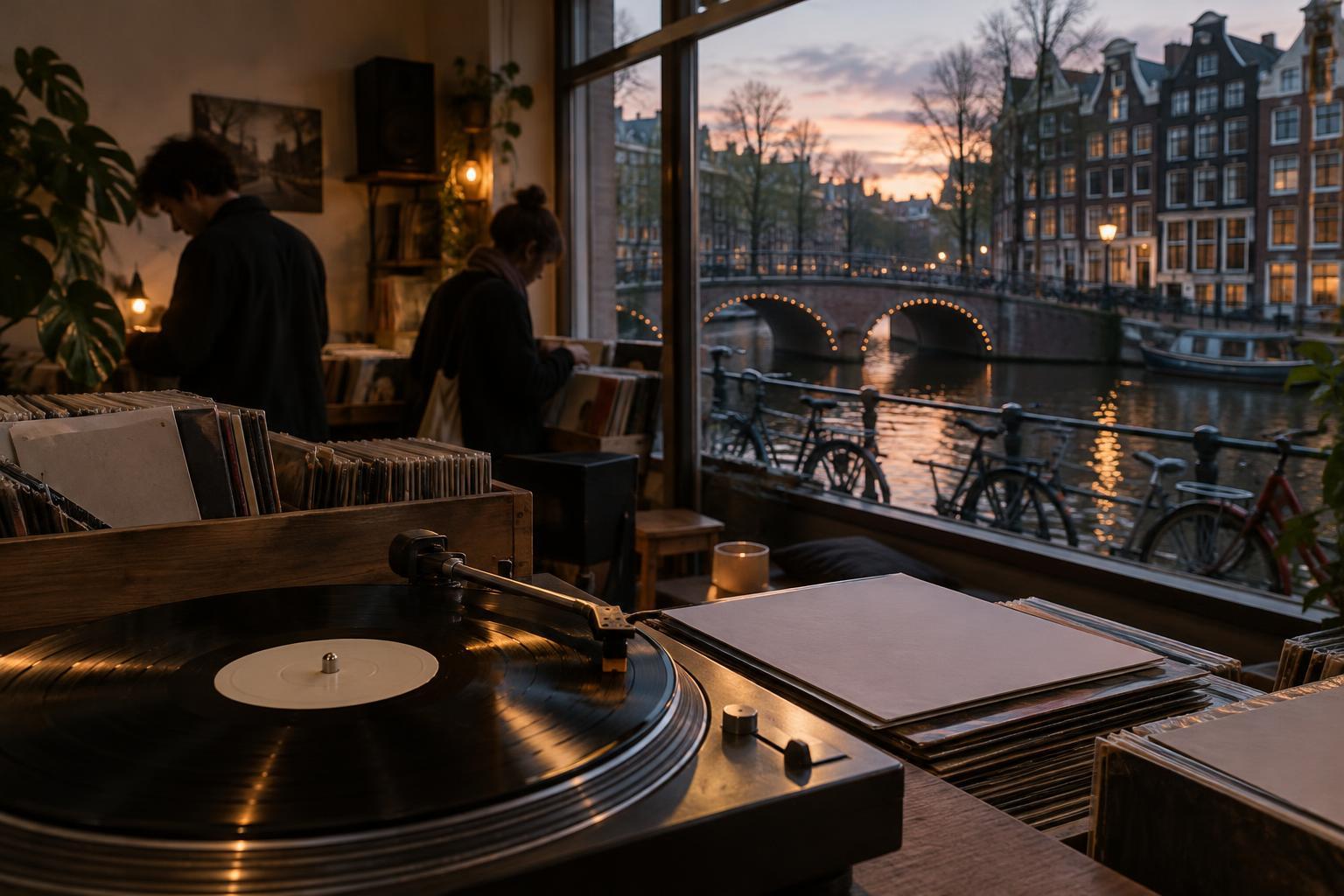
For a record collector, a concert can become a guide to future listening. Note a piece, composer or performer that caught your attention, then look for recordings of that music later. You might compare two interpretations of the same work: one may move briskly while another gives a melody more space. Differences in performance and recording can be more revealing than searching for a single definitive version.
Vinyl offers its own listening ritual, but it does not need to reproduce the hall to be valuable. Put on a record while the concert is fresh in your memory and notice what comes forward at home: an inner instrumental line, a change in tempo, or a passage you barely registered live. The Concertgebouw can be both a memorable Amsterdam destination and a starting point for a longer, more curious relationship with classical music.