Treating the city centre as the whole scene
Amsterdam’s central streets are an easy starting point, but a convenient location does not tell you much about a night’s music. Visitors who choose only what they happen to pass may miss smaller events elsewhere in the city. Leave room in your plans to travel beyond the busiest areas, while allowing enough time to get home afterward.
A better approach is to start with the music rather than a neighbourhood checklist. Look at venue programmes, record-shop notices and event descriptions before you go. If an unfamiliar artist or style catches your attention, read what kind of evening is planned: a listening session, a seated performance and a late dance event call for different expectations.
Assuming there is one “Amsterdam sound”
It is tempting to arrive with one genre in mind and use it as a shortcut to the city’s culture. Amsterdam has room for many kinds of music-making and listening, and no single night can stand for all of it. If you only seek out what you already know, you may overlook a set that connects with your tastes in an unexpected way.
Choose one event because it feels familiar and another because you are curious. When a programme pairs artists you know with names you do not, give the whole bill a chance. You do not need to become an expert before entering a room; attentive listening is a good way to begin.
Leaving the practical details until the last minute
A spontaneous night can be rewarding, but assuming every event works the same way can lead to frustration. Check the venue’s own information for tickets, admission times, age rules and accessibility details. An event may have several performers, so note whether the act you most want to hear is likely to play early or late. If a detail matters to you and is unclear, ask the organiser before setting out.
Think about the journey as part of the plan. Amsterdam can feel compact on a map, yet getting between neighbourhoods takes time, especially when you are finding a venue for the first time. Check your return route, keep some flexibility in your schedule and avoid building an evening around connections you have not confirmed.
Forgetting that the room belongs to its listeners, too
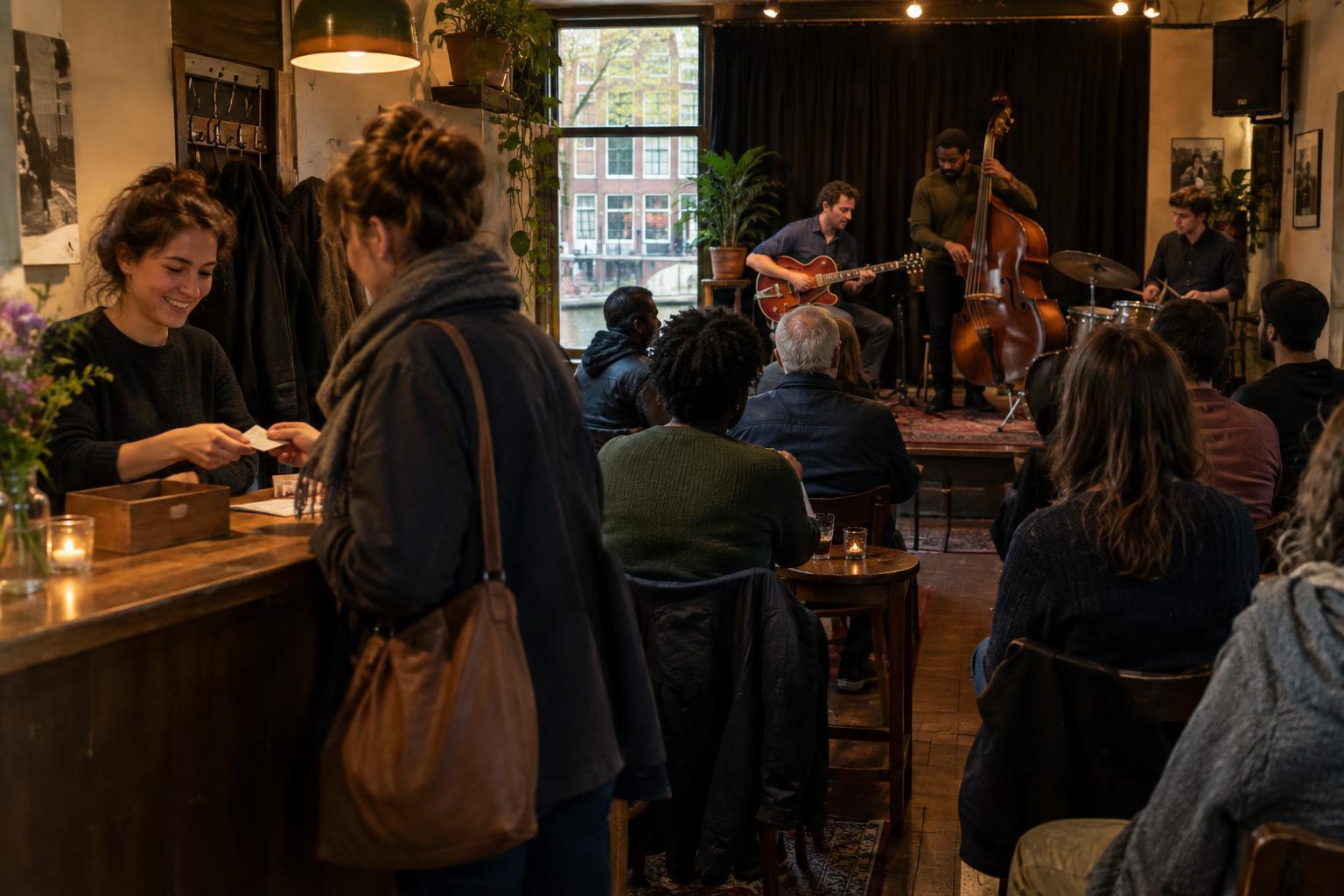
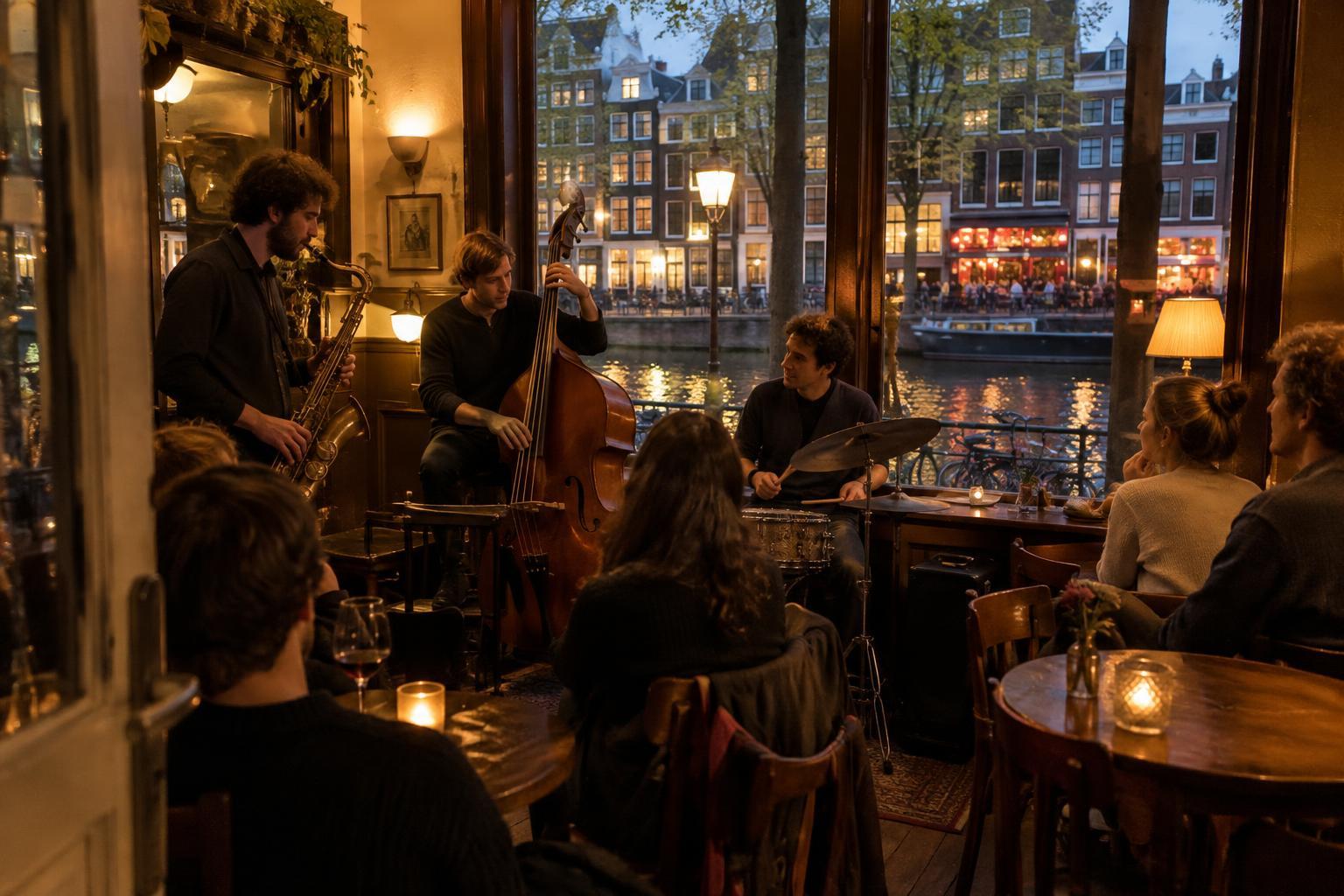
The quickest way to feel out of place is to treat a performance as scenery for conversation or content. Pay attention to the room: a quiet set invites a different kind of participation from a busy club night. Keep conversations away from the music when others are listening, and follow venue guidance about phones, photography and recording. When in doubt, ask before filming a performer or someone in the crowd.
Respect also extends outside the door. People may live near the spaces you visit, so keep your voice down when leaving and follow staff directions about queues or smoking areas. These small choices help you enjoy a night out without making it harder for a venue to welcome the next audience.
Rushing through record shops as if they are attractions
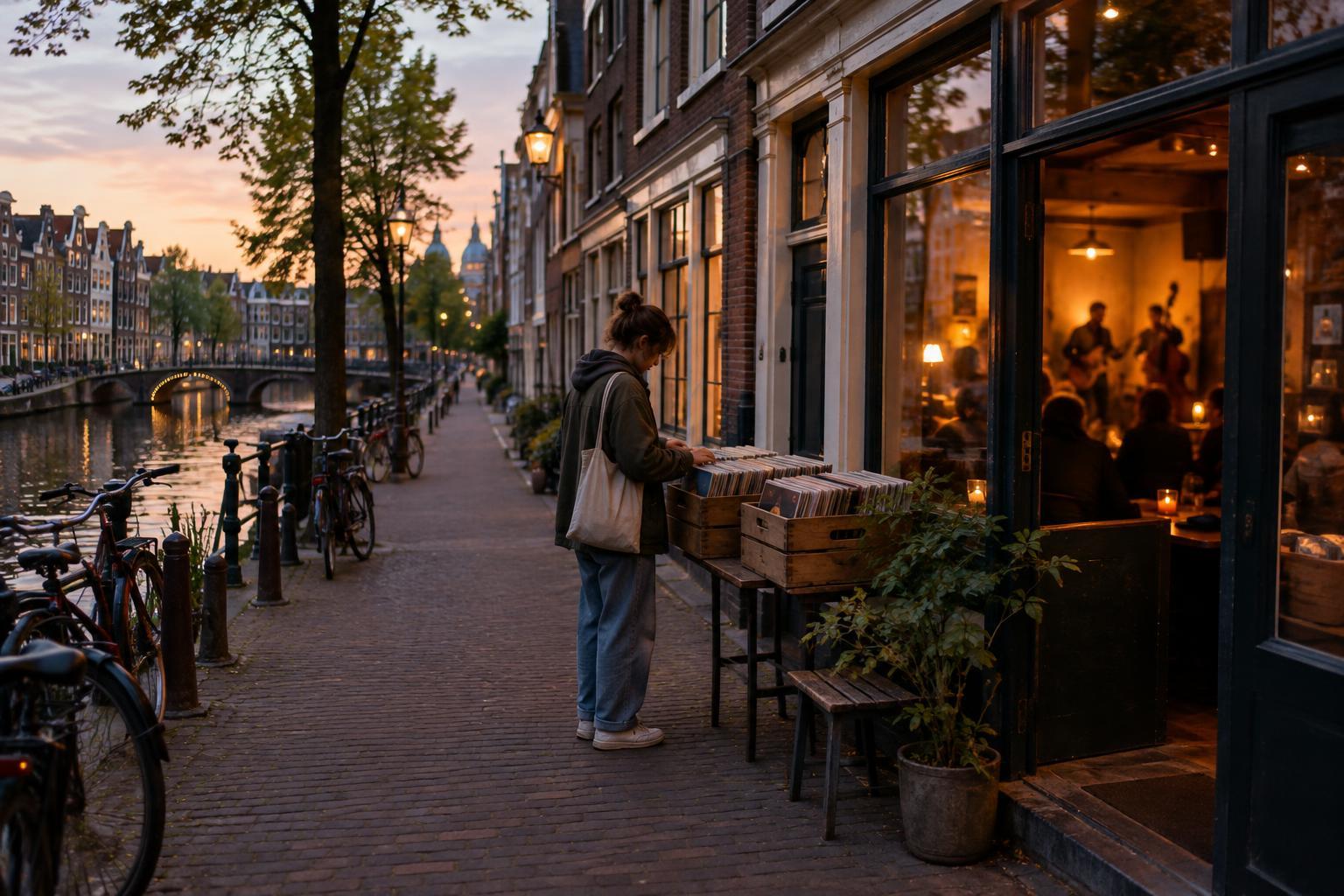
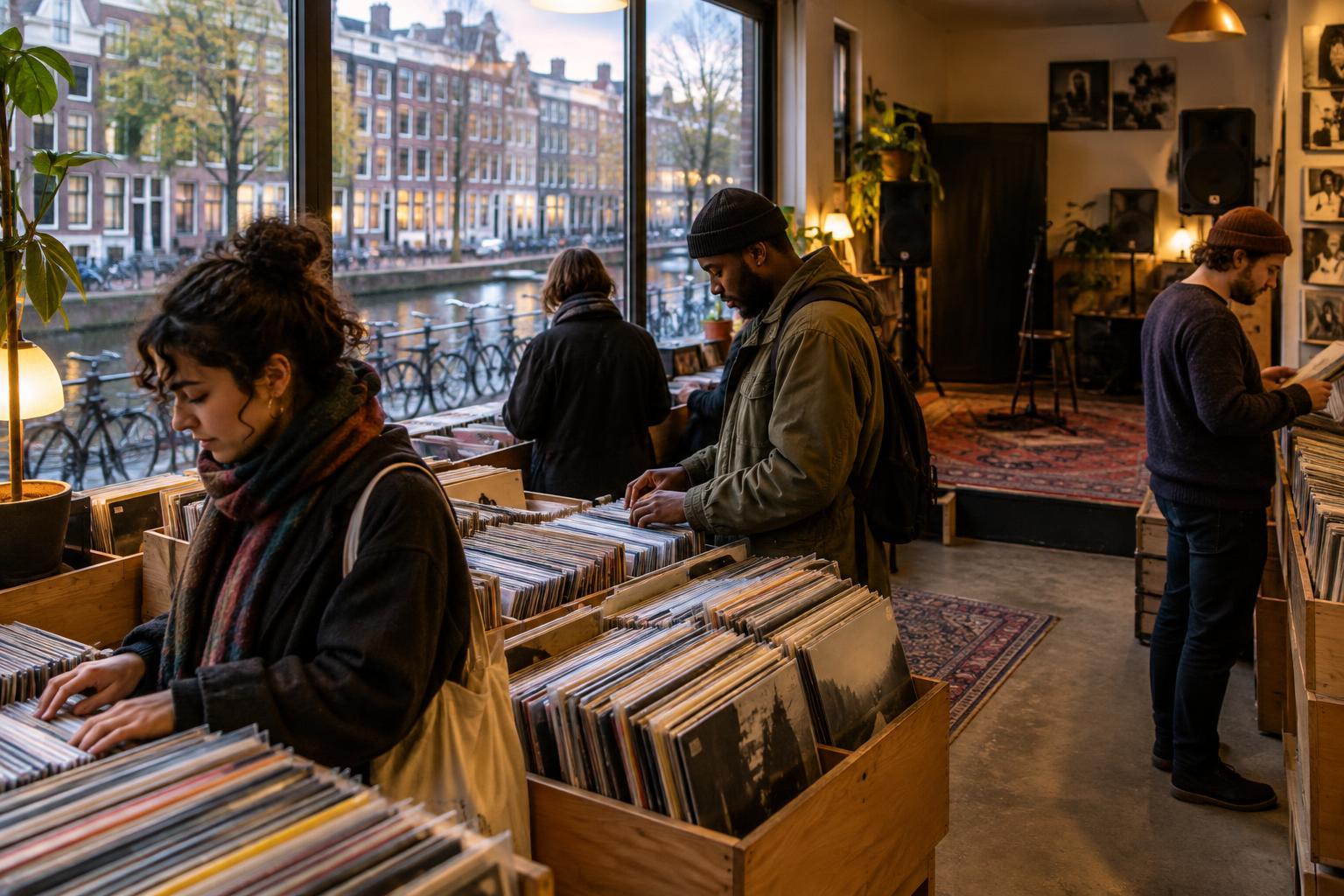
Record browsing can be a rewarding part of a music-focused visit, but a shop is a working space, not just a stop for photographs. Handle sleeves with care, return records to the right section and ask about listening arrangements rather than assuming every record can be played. If the bins are busy, give other diggers space. A focused question about a genre or an artist can open a better conversation than asking for the single record that “sounds like Amsterdam.”
You do not have to buy a rare find to take something useful home. Notice which labels, performers or styles spark your interest, then follow those threads at your own pace. The most satisfying visit is not necessarily the one with the longest itinerary; it is the one that leaves you having listened closely, treated people well and found something you want to hear again.