A place for adventurous listening
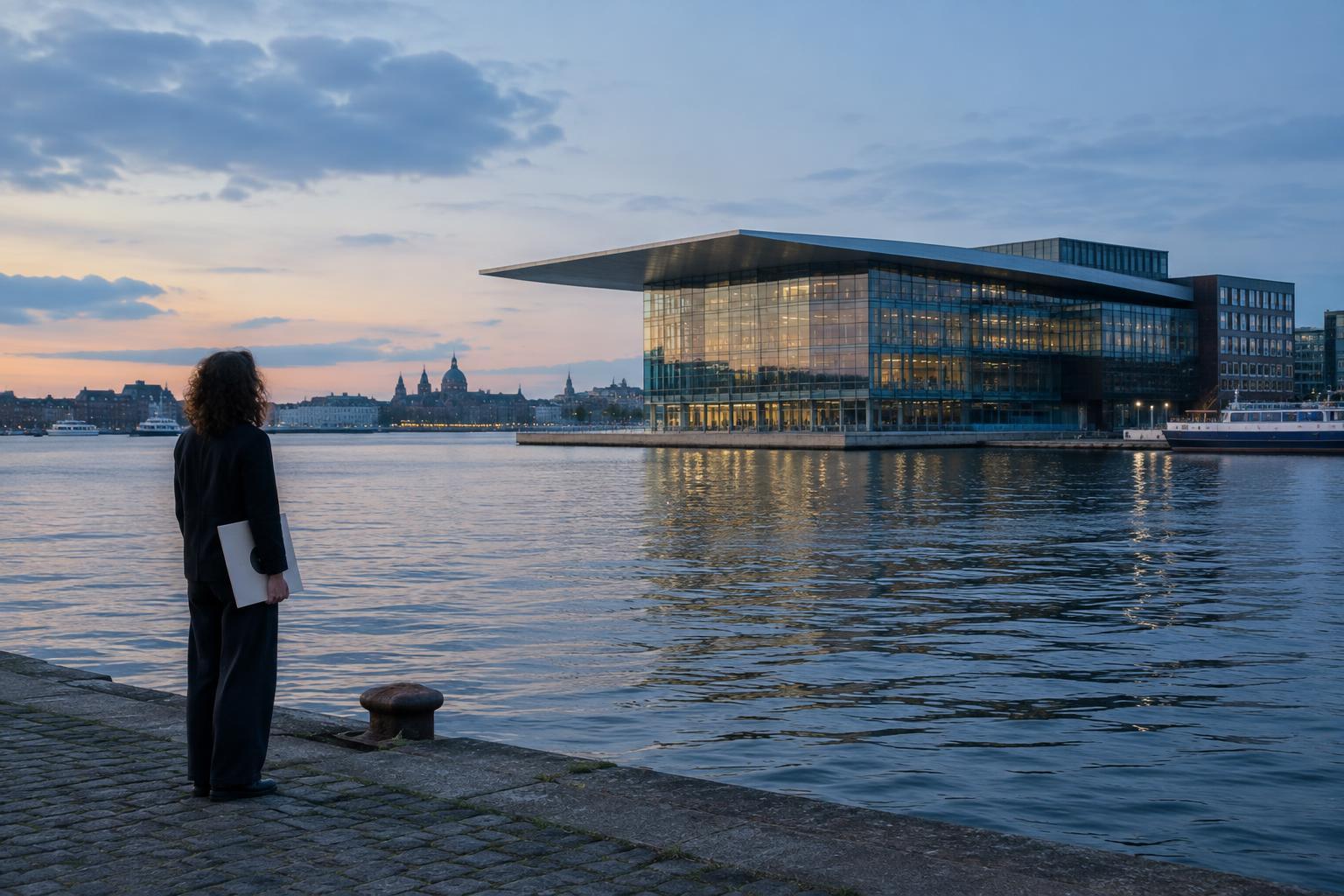
A short walk from Amsterdam Centraal brings you to the Muziekgebouw aan ’t IJ, a concert venue beside the water. Its setting feels distinct from the streets around the station: ferries and boats move across the IJ, while the building invites you inside to sit still and listen. For anyone curious about experimental music, that contrast makes a fitting introduction. The sounds onstage may be busy, sparse, quiet or difficult to name, but the invitation is straightforward: give them your attention.
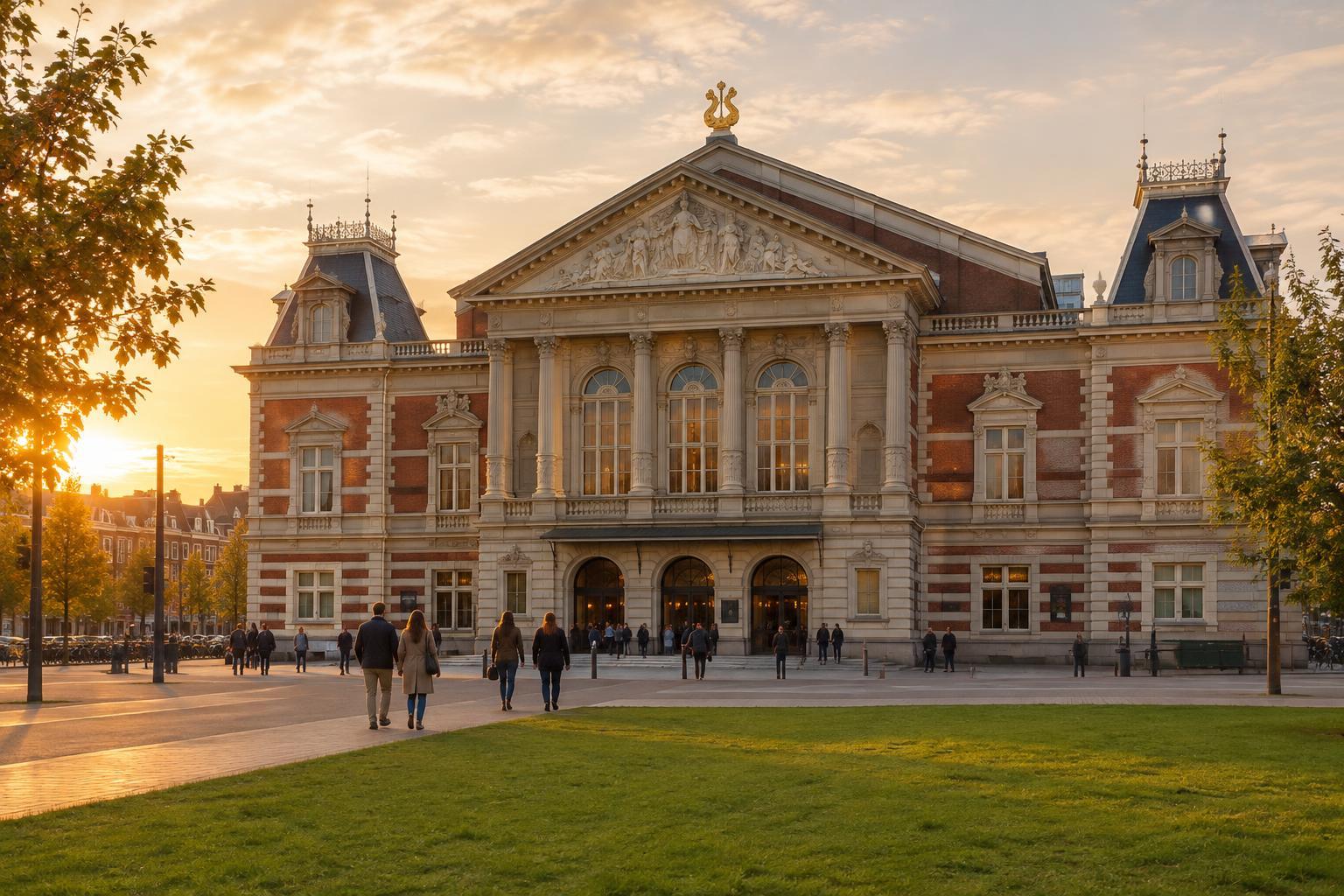
The Muziekgebouw is associated with contemporary classical music and other adventurous forms, though no single genre defines everything a visitor might hear there. A performance could foreground an ensemble, an electronic instrument, an unusual combination of acoustic sounds or a composer’s particular approach to rhythm and texture. It is better to think of the venue as a place to encounter different ways of making music than as a promise that every concert will sound alike.
What makes music experimental?
“Experimental” does not necessarily mean loud, abrasive or impossible to enjoy. Sometimes the experiment is in the instruments: familiar strings or percussion played in unfamiliar ways. Sometimes it is in the structure, with a piece unfolding through gradual change rather than verses, choruses or a steady beat. Silence can be part of the design, too. A pause may create tension or let a small sound become noticeable.
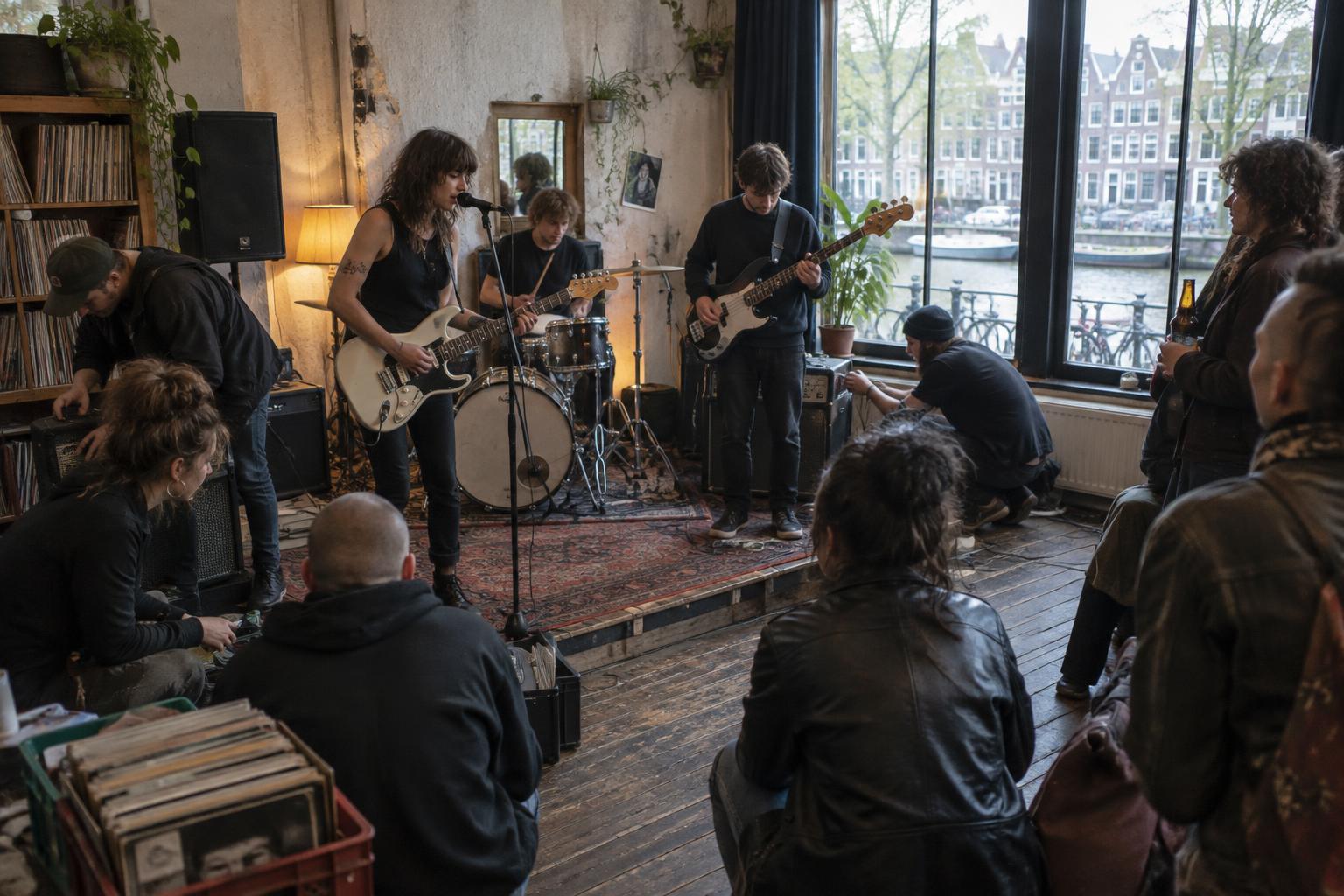
If you usually listen to records at home, a live performance can make these choices easier to notice. You can see who produces a sound, where it comes from and how long it takes to fade. In a room full of listeners, a tiny gesture can feel as consequential as a dramatic one. You do not need to identify every technique to have a worthwhile evening. Try following one element—a repeated note, a shifting pulse or the space between sounds—and see where it leads.
How to choose a first concert
Start with the event description rather than the broad label of contemporary or experimental music. The number of performers, the instruments involved and any mention of electronics, improvisation or spoken text can tell you more about the experience than a genre tag. If you enjoy jazz, an improvisation-led programme might be an inviting entry point. If you like detailed electronic records, look for music that explores timbre and spatial sound. These are starting points, not rules: an unfamiliar format may be the one that stays with you.
Check the venue’s own event information before you go, including the performance location, running time and whether there is an interval. Arriving with a little time to spare lets you settle in rather than trying to decode unfamiliar music while catching your breath. Nearby, the Bimhuis has its own identity and programming; if you are making plans for the waterfront, take care to confirm which venue hosts the event you want to attend.
Listen without trying to solve it
A first encounter with a new piece does not have to end in a verdict. Instead of asking whether you understood it, notice what changed during it. Did a dense sound become transparent? Did an irregular pattern begin to feel familiar? Did the room seem to respond differently when the performers became quieter? Those observations give you a way into the music without requiring technical vocabulary.
Concert etiquette also helps preserve the experience for others. Silence a phone, keep its screen dark and wait for a clear break before moving around. In some works, the end of a section may not be obvious; when in doubt, let the performers and the room guide the moment for applause. Attentive listening is not a test of seriousness. It is simply a way to make room for sounds that might otherwise pass unnoticed.
From the waterfront back to the record shelf
A visit to the Muziekgebouw can change how you hear records you already own. After a concert, try putting on an album without treating it as background music. Listen for the decay of a note, the position of a sound in the stereo image or a passage that once seemed uneventful. A live performance cannot be reproduced exactly at home, but it can sharpen your curiosity about what a recording captures—and what it leaves to your imagination.
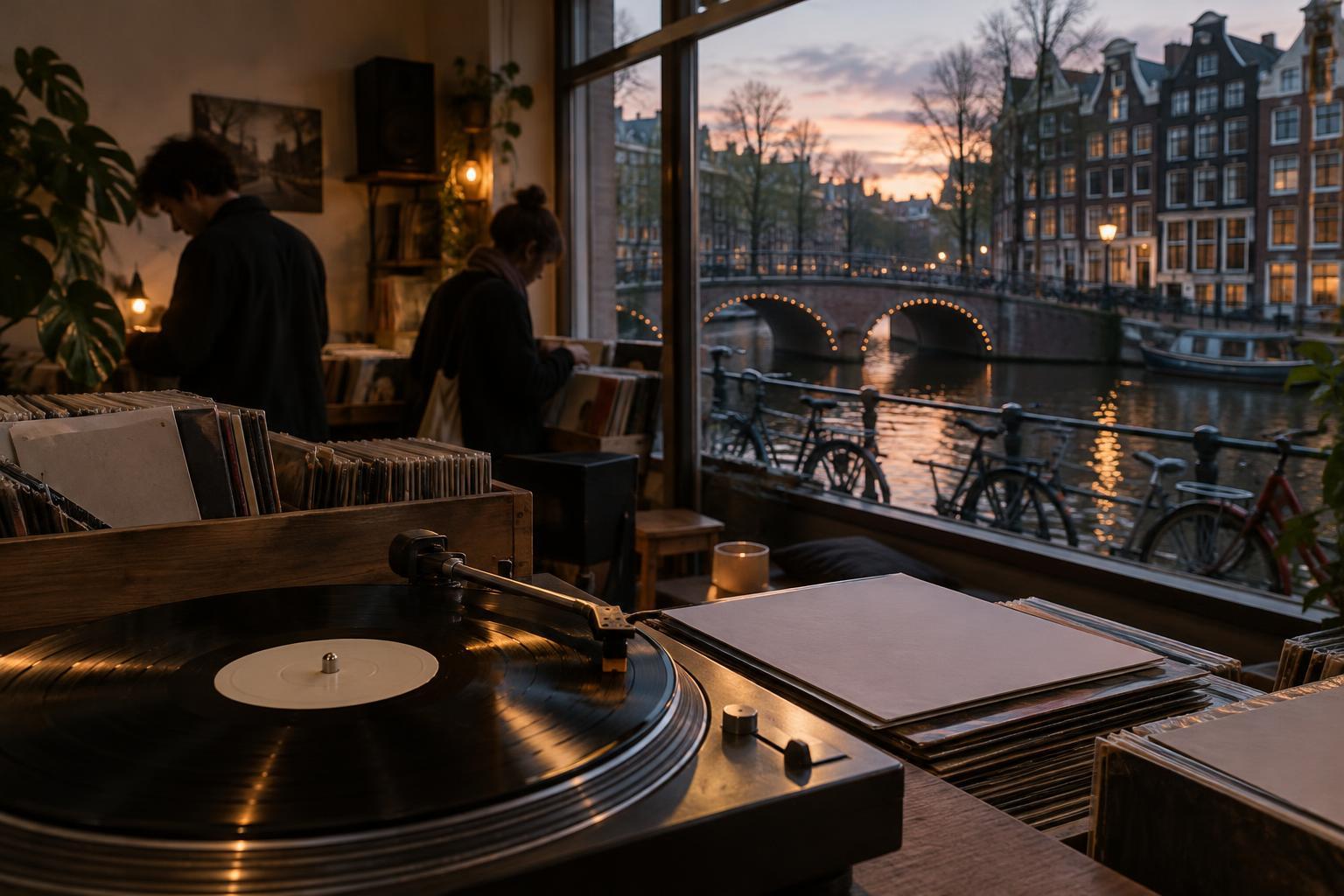
It may also give you a more useful approach to crate-digging. Rather than searching only for a genre name, follow a performer, instrument or compositional idea that caught your ear. Read sleeve notes when they are available, and allow yourself to sample patiently. The pleasure of Amsterdam’s music culture is not limited to finding a rare pressing or recognizing every name on a programme. Sometimes it begins beside the IJ, with an unfamiliar sound and a willingness to hear what happens next.