Clean when the record needs it, not by the calendar
There is no universal rule that says a record needs washing after a set number of plays. A clean LP handled by its edges and returned to a good inner sleeve may need little more than an occasional removal of surface dust. A newly acquired used record, by contrast, may benefit from a thorough clean before its first spin. The useful question is not “How many times have I played it?” but “What is on the surface now?”
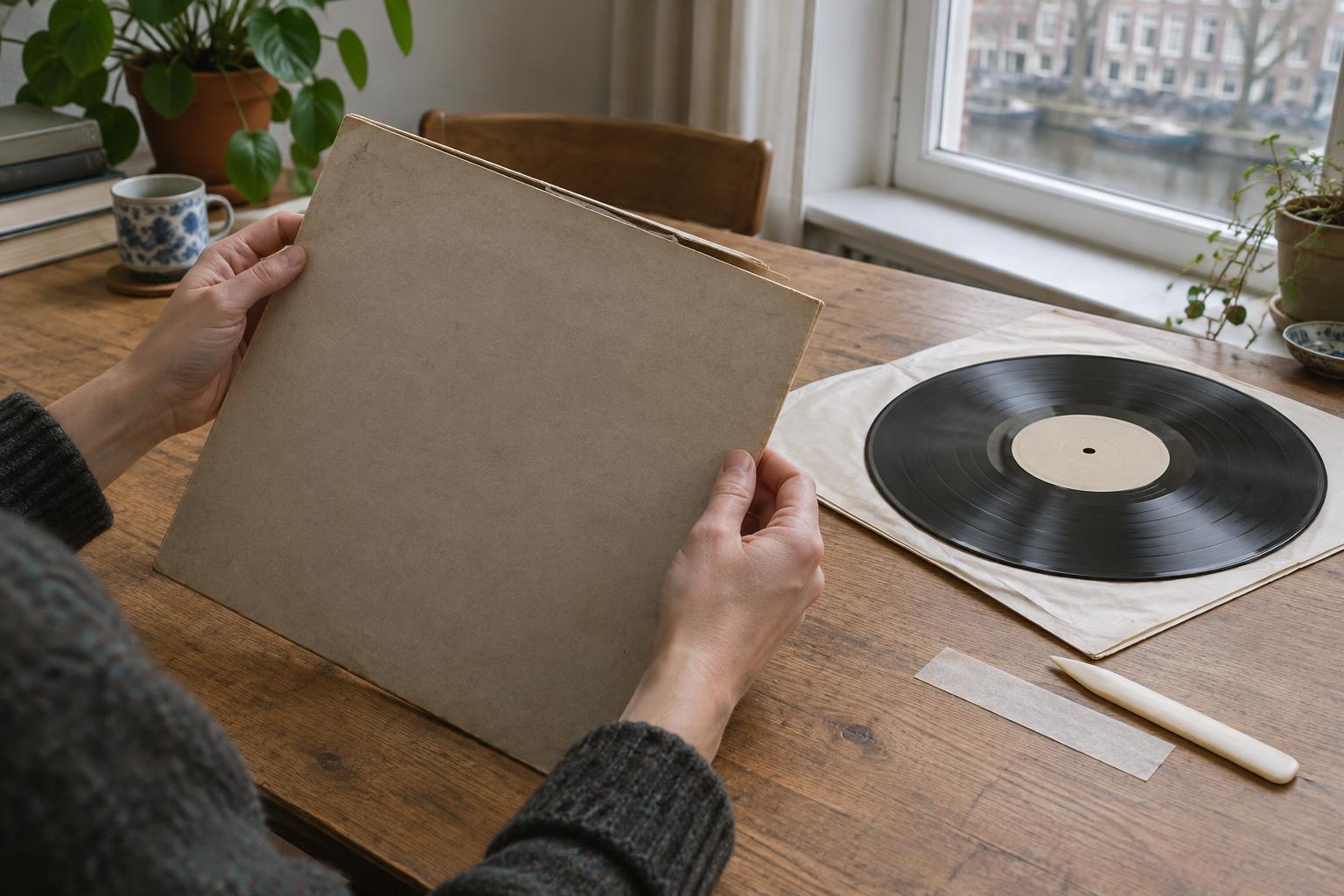
Look under good light before playing. Loose dust usually calls for a gentle dry clean. Fingerprints, visible grime or residue that a dry brush does not lift suggest a wet clean. Persistent crackle can be another reason to inspect a record, though cleaning will not repair scratches, groove wear or damage caused by a worn stylus. Avoid repeatedly washing a record just because it sounds imperfect: first check whether it is actually dirty.
A quick check before each play
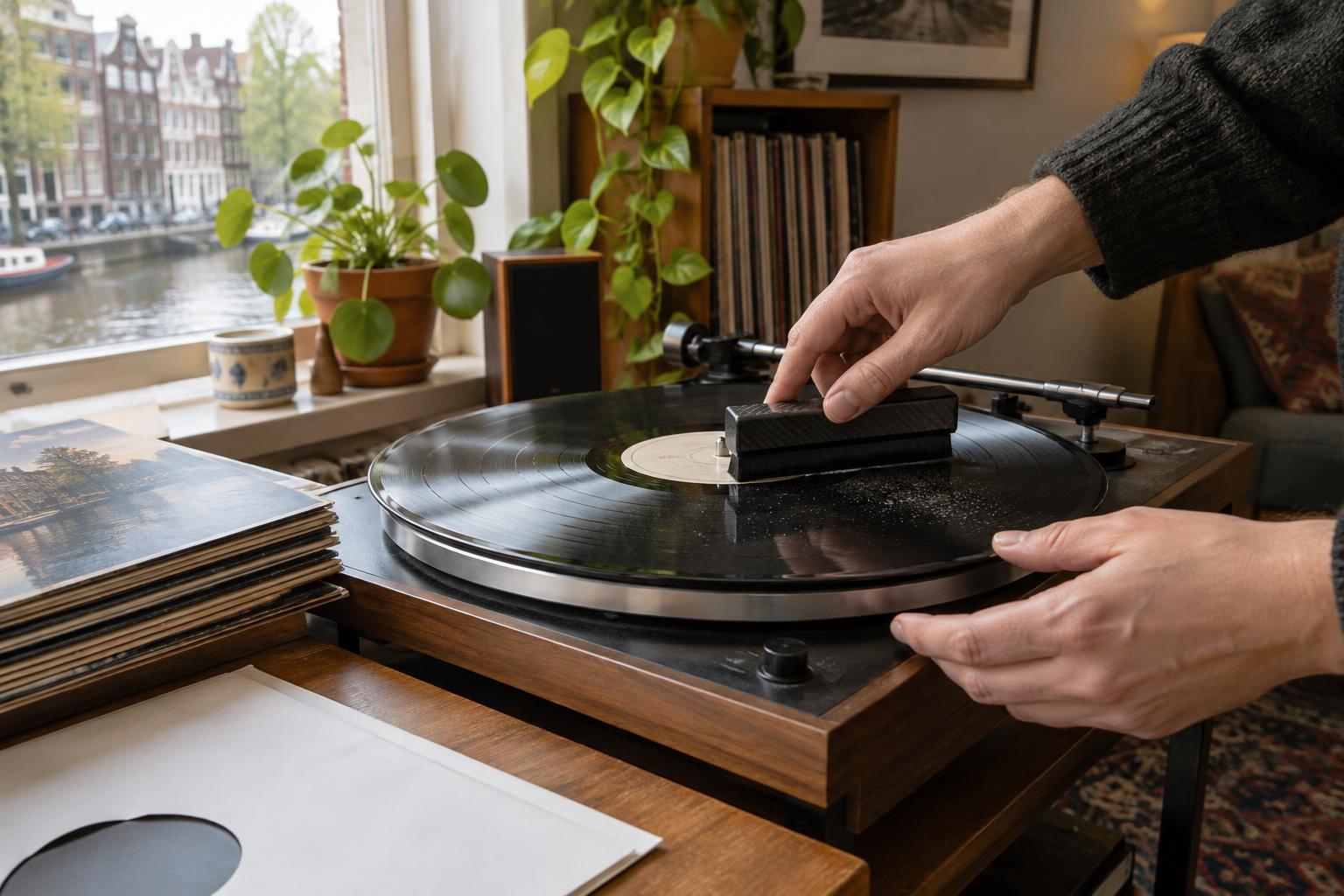
Before placing a record on the turntable, check the surface for dust. If you see loose particles, use a clean record brush made for vinyl, following its instructions. A carbon-fibre brush can help lift light dust, but it is not a substitute for washing oily marks or dried-on dirt. Use a light touch rather than pressing debris into the grooves, and keep the brush itself free of buildup.
Handle the disc by its outer edge and label area, and set it on a clean mat. If you notice a mark while listening, resist wiping the spinning record with a sleeve, shirt or household cloth. It is safer to stop playback and deal with the mark using a suitable cleaning method. These small checks can become part of putting on a record without turning every listening session into a major maintenance task.
When a deeper clean makes sense
Consider a wet clean when you bring home a dusty used record, find fingerprints or residue, or hear noise that appears to come from dirt rather than damage. A new record can also arrive with visible particles, so inspect it rather than assuming it is clean or dirty. If a light brushing solves the problem, you can leave the deeper clean for another day.
Use a method intended for records, whether that is a manual cleaning kit or a record-cleaning machine, and follow the product’s directions. Keep cleaning liquid off the label, avoid abrasive materials and remove loosened dirt rather than letting it dry back onto the surface. If a method calls for a rinse, use the water it specifies; distilled water can help avoid mineral deposits. Let the record dry fully before playing or sleeving it. Older shellac discs need different care from vinyl, so identify an unfamiliar disc before applying a liquid cleaner.
Keep the record clean after cleaning it
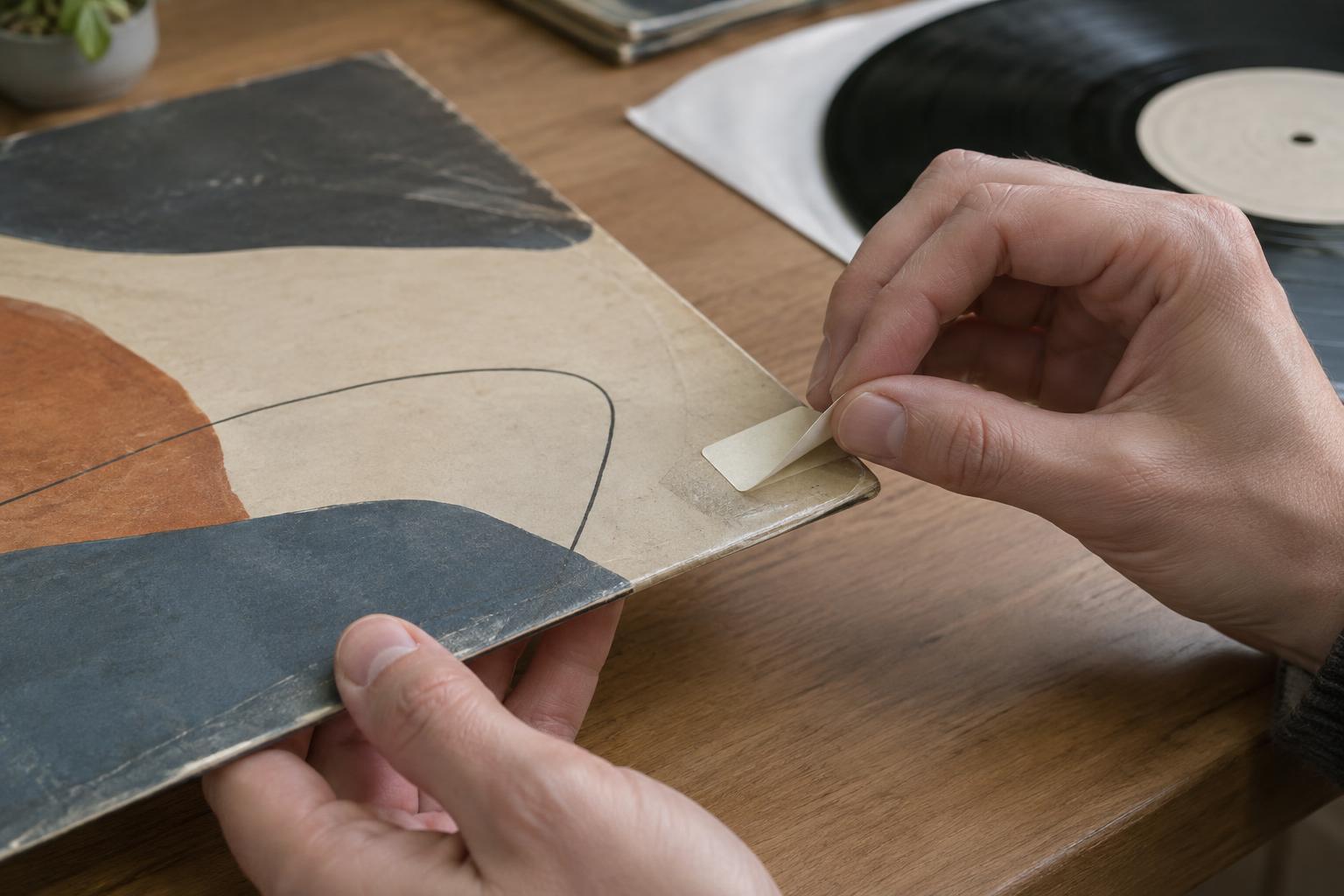
A freshly cleaned disc can pick up dust again if it goes straight back into a dirty inner sleeve. Check the sleeve for grit, torn paper or visible residue, and replace it if necessary. A clean, record-safe inner sleeve helps preserve the work you have just done. Keep food, drinks and cleaning sprays away from the turntable area, and put records away once you have finished listening rather than leaving them exposed.
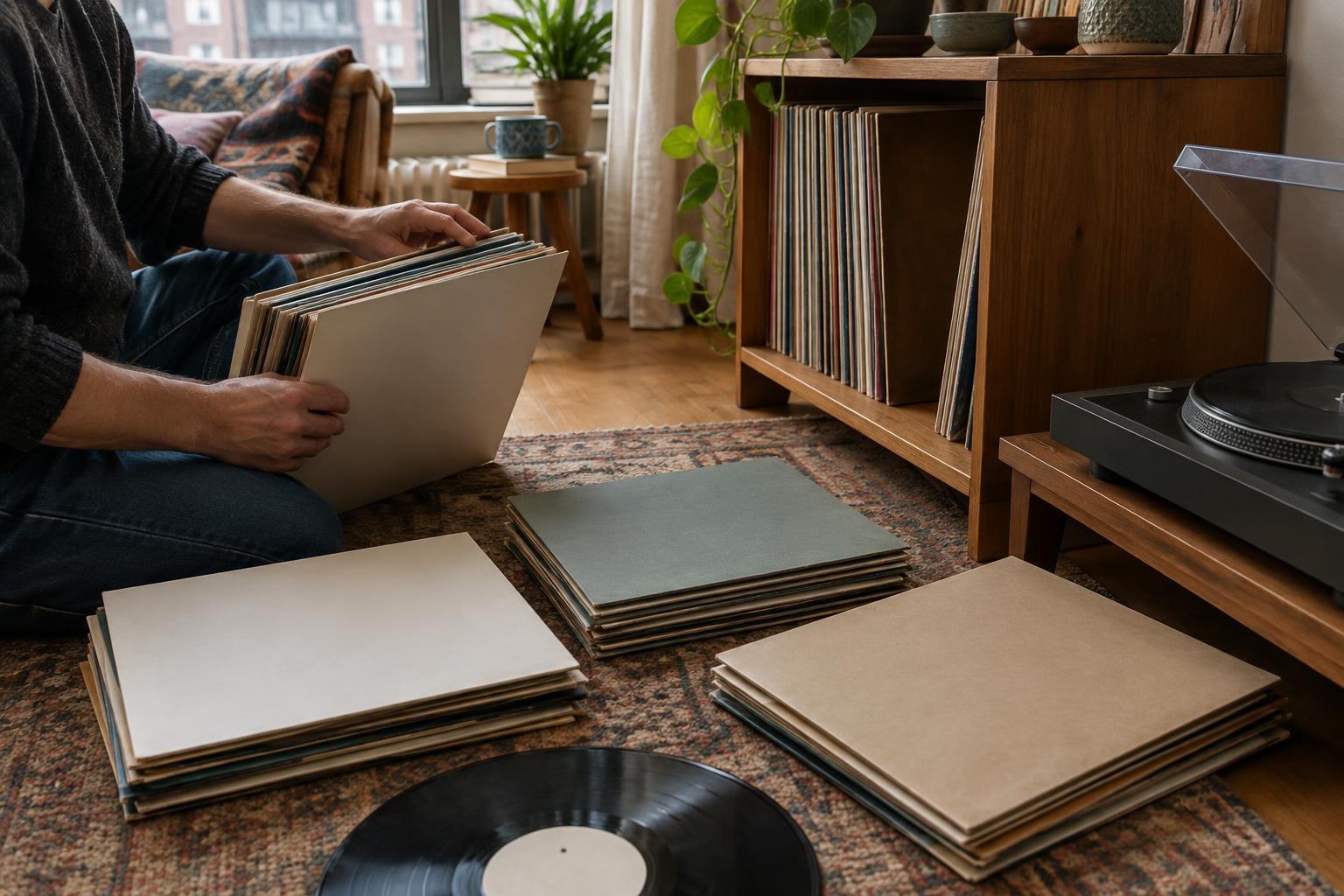
Store records upright in sleeves that support them without squeezing them tightly. Keep them away from excessive heat and direct sunlight. Storage will not make a dirty record clean, but it can reduce the dust and handling that make another clean necessary. For a collection you play often, a simple habit of inspecting, lightly brushing when needed and promptly resleeving is more useful than an ambitious washing schedule you cannot maintain.
Do not forget the rest of the playback setup
A record may sound noisy even after cleaning if the stylus has collected dust or the turntable mat is dirty. Inspect the stylus regularly and clean it only with a suitable tool, using the cartridge maker’s directions; its delicate parts are easy to damage. Check the mat for loose debris before placing a clean record on it. If playback still sounds wrong, consider whether the issue could be the stylus, setup or condition of the disc rather than washing the record again.
A practical routine is therefore simple: inspect before playing, remove loose dust gently, wet-clean when there is grime or stubborn residue, and store the dry record in a clean sleeve. Let what you see and hear guide the timing. The aim is not to make every record look untouched; it is to keep avoidable dirt out of the grooves and make listening easy.