Two buildings with lives before music
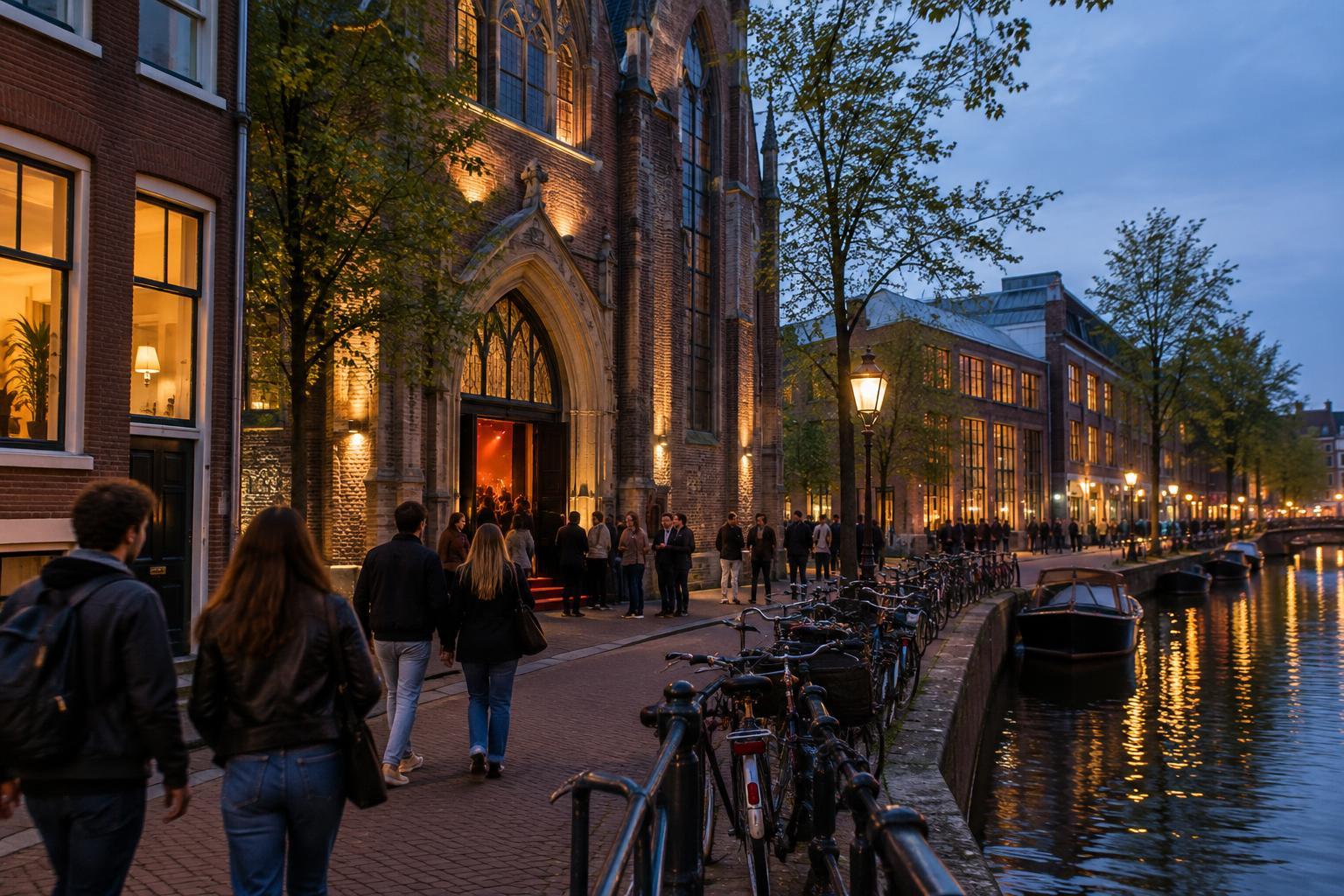
Part of what makes Paradiso and Melkweg memorable is that neither feels like a venue designed from scratch around a stage. Paradiso occupies a former church near Leidseplein. Melkweg, whose name means “Milky Way,” grew out of a former dairy building nearby. Their earlier uses remain part of how people describe them: the spaces have character before a note is played.
Both venues took shape as cultural spaces during a period when Amsterdam offered room for experiments in art, performance and social life. Their development was not simply a matter of putting bands into unusual buildings. The buildings gave organisers adaptable places where different audiences and forms of expression could meet. That spirit of reuse helps explain their lasting appeal in a city where space is precious and cultural life often finds a home in buildings with another past.
How a venue becomes a landmark
A landmark is built through repeated use, not one celebrated performance. Over time, people come to associate a room with first encounters, favourite artists, unexpected support acts and the feeling of hearing familiar music differently in a crowd. Paradiso and Melkweg have hosted programmes that reach across genres and disciplines, giving audiences reasons to return even when their tastes change.
They also offer distinct experiences rather than interchangeable names on a ticket. Paradiso’s former-church setting can make a concert feel inseparable from the room around it. Melkweg’s identity as a multi-space cultural venue encourages a different kind of movement between music and other events. Neither quality guarantees a great night; sound, performance and audience all matter. But a recognisable setting makes it easier for memories of a show to attach themselves to a place.
Their location matters too. Both sit near Leidseplein, within a part of Amsterdam long associated with nights out and performances. A listener can connect the walk to a venue, the queue outside and the journey home with the music itself. Those ordinary rituals turn a venue from an address into a point on someone’s personal map of the city.
A bridge between the stage and the record shelf
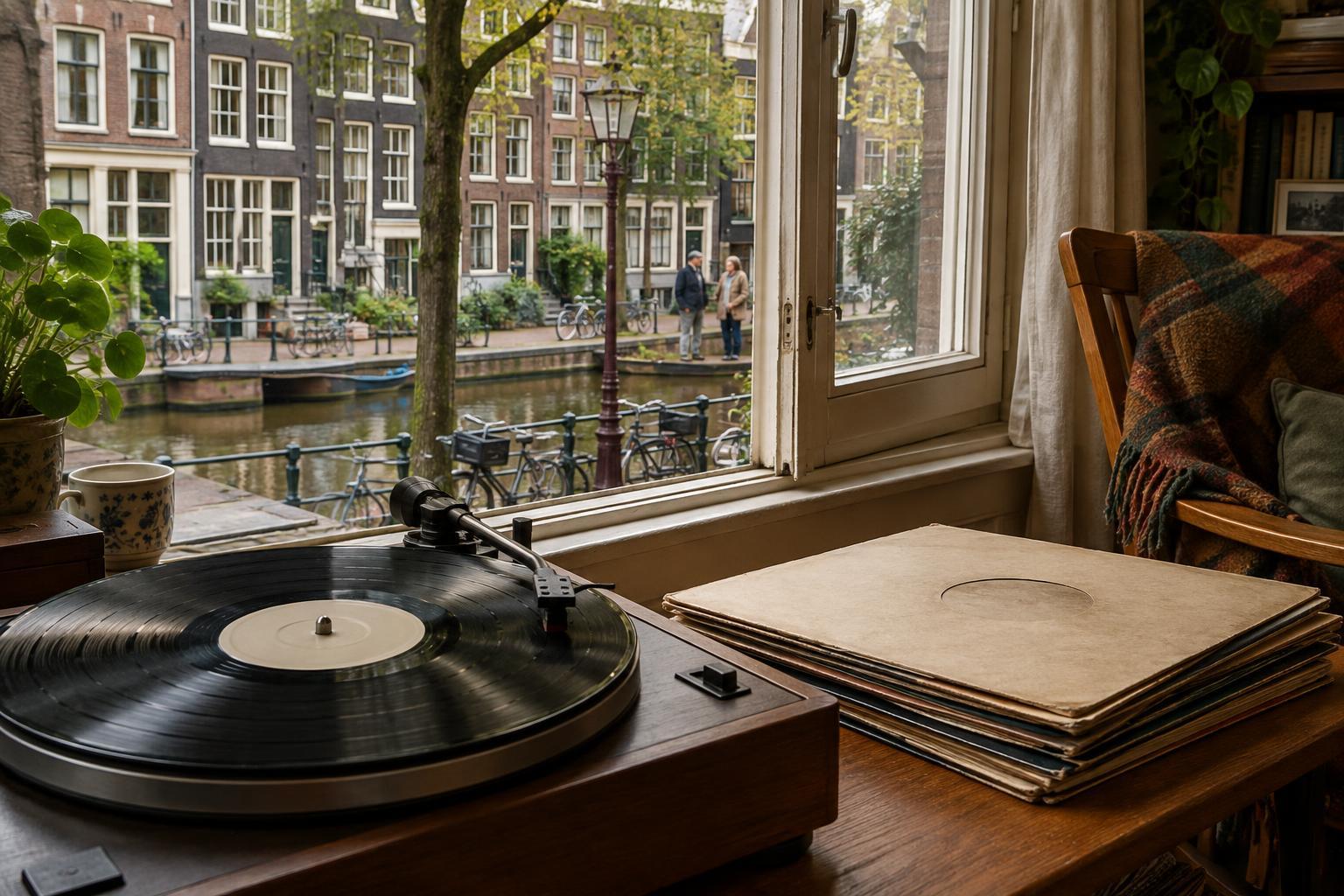
For a record collector, a live venue is one way into music that a sleeve or streaming recommendation cannot provide. Seeing an artist onstage may send someone looking for an album, a related label or an earlier influence. The route also works in reverse: a record discovered while crate-digging can make a future concert feel more inviting. Paradiso and Melkweg matter to that exchange because their varied programmes give listeners opportunities to follow a curiosity beyond one familiar genre.
Live sound and recorded sound offer different versions of a song. An arrangement may shift, a rhythm may feel more physical, or a quiet passage may hold a room’s attention in a way headphones cannot reproduce. Later, putting the record on at home can bring back details of the performance without replacing it. This is a useful way to think about Amsterdam’s music culture: its venues and record shelves are connected by listeners, not by a fixed hierarchy in which one experience is more authentic than the other.
It is worth resisting the temptation to reduce either venue to a checklist of famous acts. A headline concert can introduce a building to new audiences, but smaller discoveries and repeat visits give it a continuing role. For many people, the lasting story is less about having been present for a historic night than about finding somewhere they want to hear music again.
Listening to their histories today
If you are visiting Amsterdam with music in mind, start with the venues’ current programmes rather than an assumption about what each one plays. Look beyond artists you already know: an unfamiliar name or a different style may offer a better introduction to the breadth of the city’s live scene. Check practical details directly with the venue before making plans, since rooms, entry arrangements and schedules can vary.
You can also explore without attending a show. Walk through the area around Leidseplein and notice how close these two very different converted buildings are to one another. Think about what was retained, what had to change and how a space acquires a new identity through use. If a performance does lead you to a record, make a note of what caught your ear before you go looking for it; the memory may guide you better than a list of sought-after pressings.
Paradiso and Melkweg became landmarks because their buildings, programmes and audiences have kept shaping one another. Their histories are visible in the spaces, but their relevance depends on people continuing to show up and listen. For anyone interested in Amsterdam’s music culture, that makes them places to experience, not just names to recognise.