Start with a reason for each record
A wantlist is most useful when it supports the way you listen, rather than trying to catalogue every record that sounds interesting. Begin with a small group of albums, singles or compilations you would be pleased to bring home soon. Add a short reason beside each one: a song you love, a gap in an artist’s catalogue, a mix you want to hear on your system or a gift you have in mind. That note can be more helpful than a long list of titles when you have to choose between two finds.
Separate records you actively seek from those you would buy only if the price and condition were right. You might label them “priority,” “keep an eye out” and “curious,” or use any terms that make sense to you. Review the list after a few listening sessions. If you have stopped wanting a record, remove it. A wantlist should make decisions easier, not become a permanent record of every passing recommendation.
Write down enough detail to identify the right copy
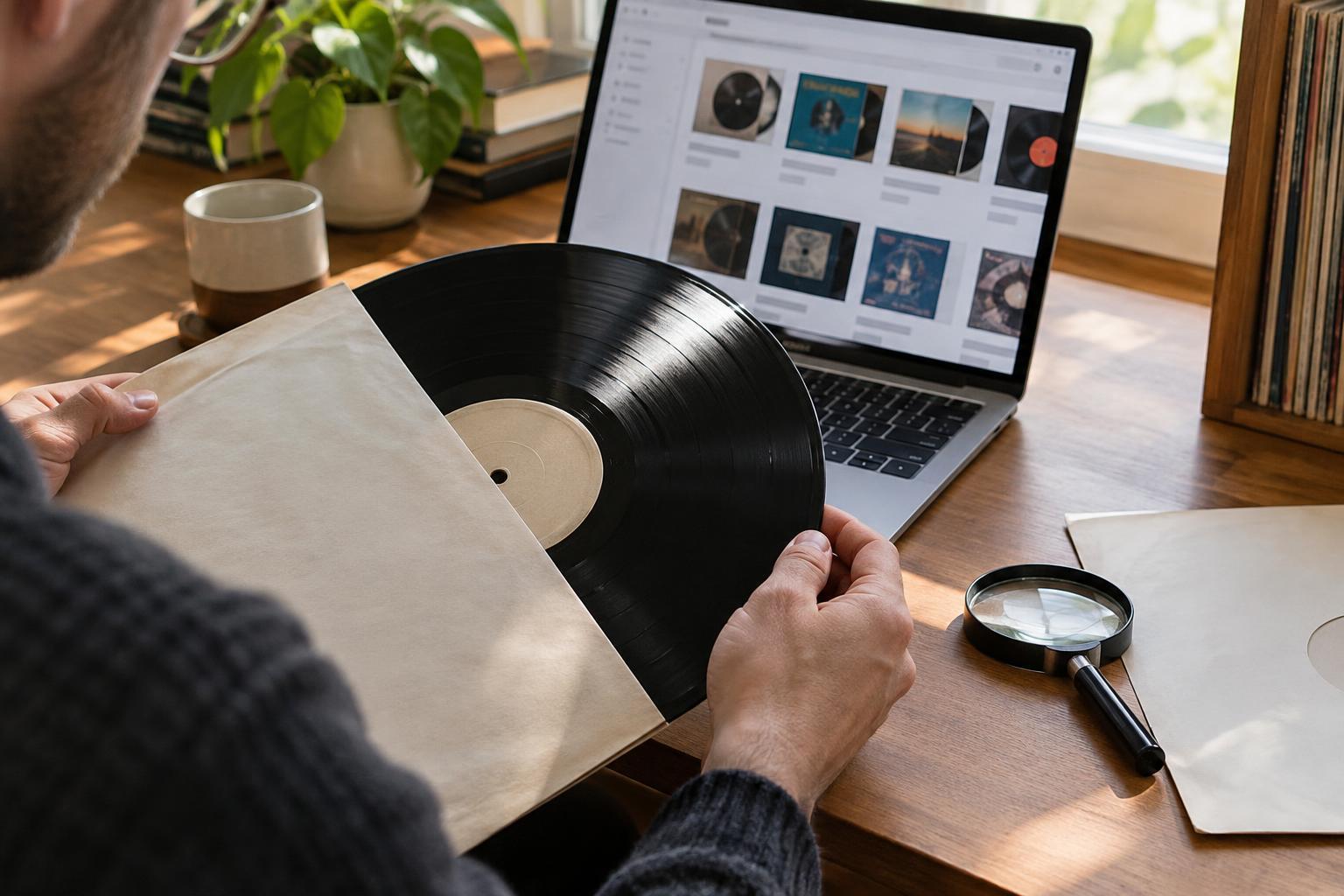
Artist and title are a good start, but they may not be enough. A record can have different track lists, mixes, sleeves or formats. For a specific version, note the label, catalogue number, country, approximate release period and any distinguishing sleeve or label details you know. If a particular track matters, write that down too. You do not need to complete every field before adding an item; mark uncertain details as questions rather than guesses.
Decide where you are flexible. If you mainly want to play the music, “any clean, complete copy” may be a better note than an exact pressing. If you care about a particular mix or cover, state what would make another edition unsuitable. A brief “must have” or “nice to have” note keeps you from paying extra for a detail you do not value, or buying a copy that misses the point of your search.
Set a budget and a condition threshold
Give each priority item a comfortable spending limit before you find it in a crate. Include any extra cost that might affect your decision, such as shipping for an online purchase. Your limit need not be a claim about what the record is worth; it is simply the amount you are happy to pay. If you cannot yet judge a sensible limit, leave it open and compare a few copies before committing.
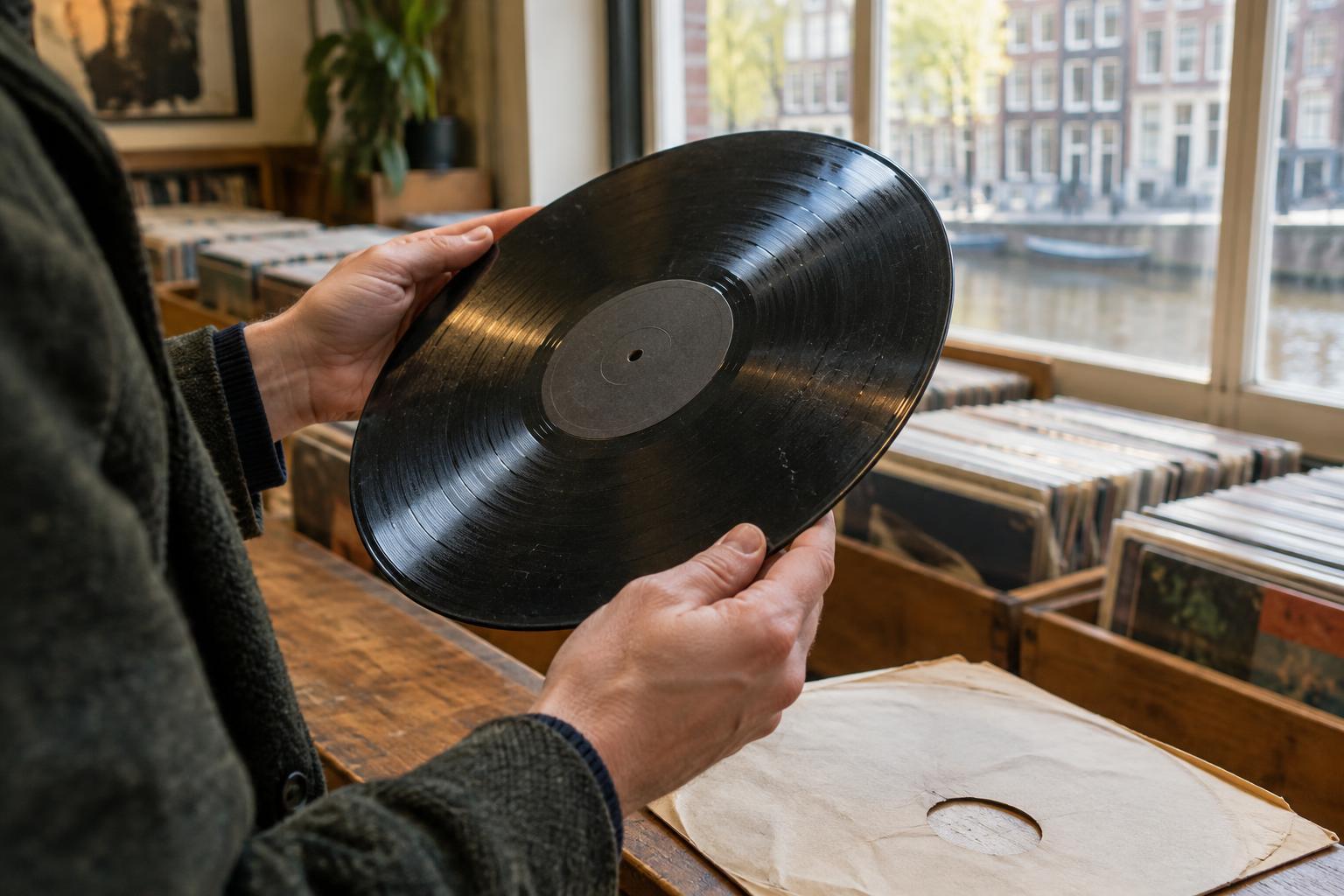
Condition notes should reflect how you plan to use the record. Light sleeve wear may not matter to a listener, while scratches, warping, missing discs or a damaged inner sleeve may change the appeal of a copy. Grading words can be interpreted differently, so ask for a clear description when buying remotely. In person, inspect the record and sleeve with the seller’s permission. A wantlist entry such as “clean playing copy; sleeve wear acceptable” gives you a more useful guide than “mint only” by default.
Make the list easy to use while browsing
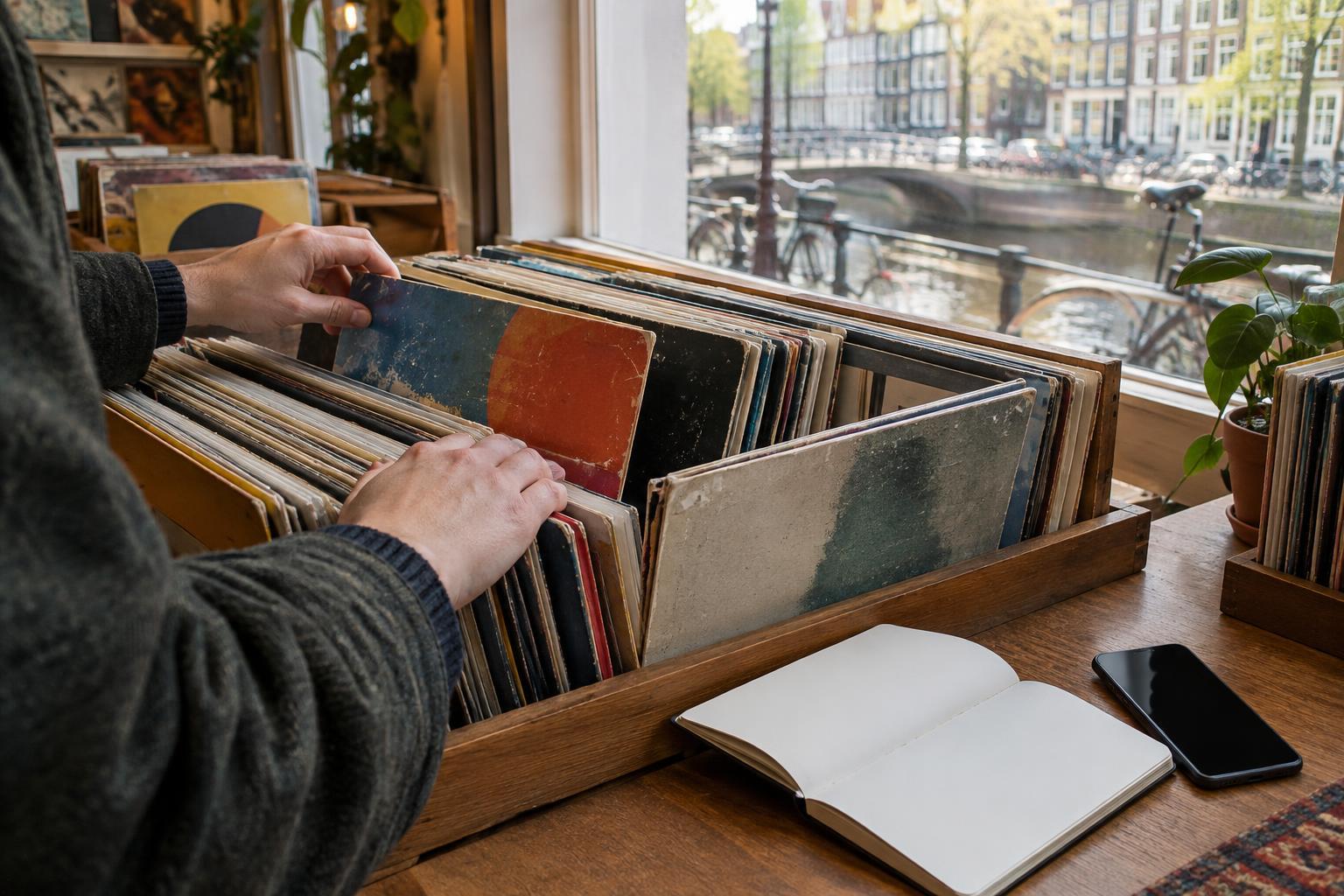
Keep one main list that you can open on your phone, whether that is a notes app, spreadsheet or dedicated collection tool. Put the most actionable information first: artist, title, preferred format, identifying details, budget and priority. A separate note can hold longer observations. If you browse without a signal or prefer to put your phone away, keep a short offline version of your top searches.
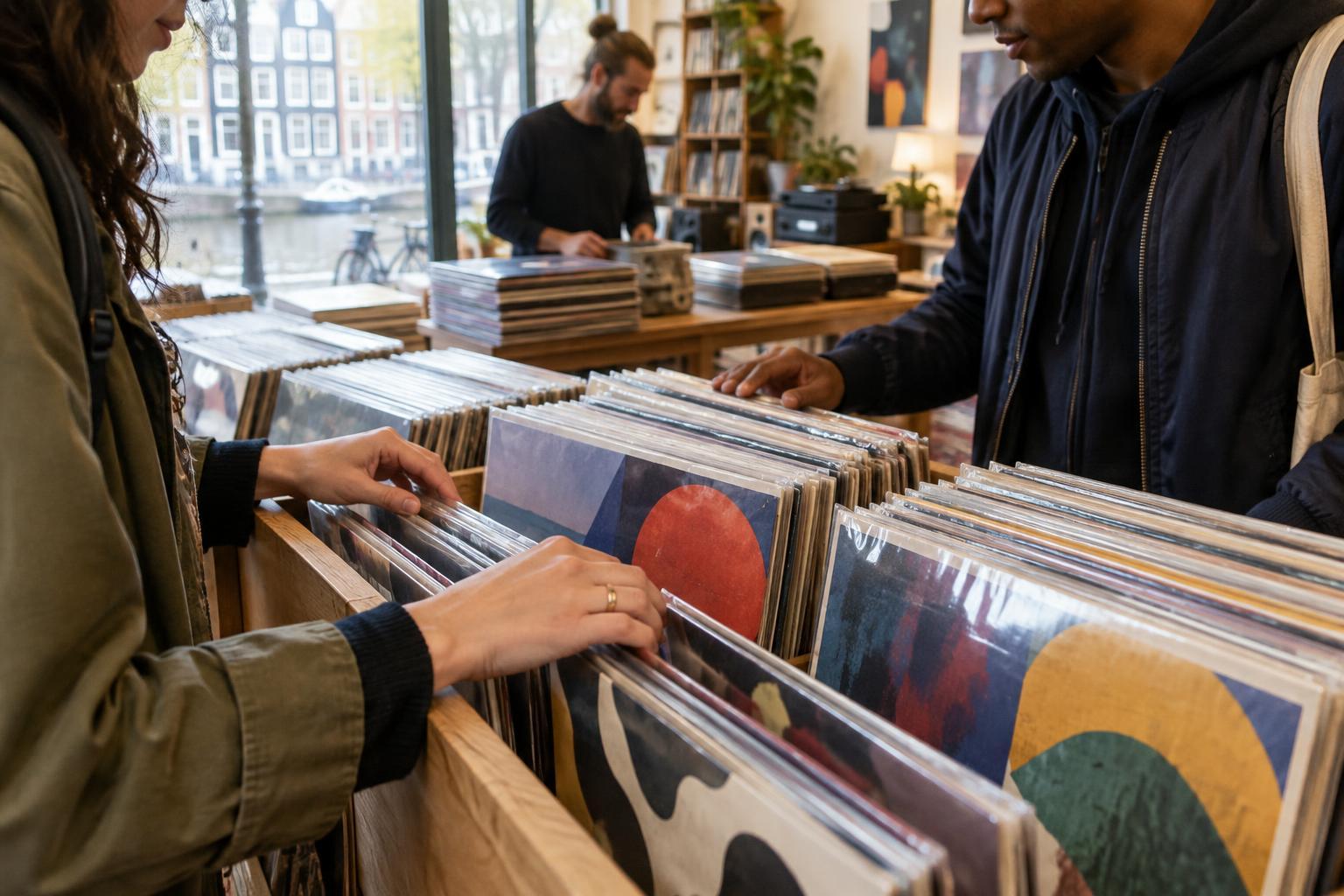
A wantlist is a guide, not an obligation to ignore the records in front of you. In an Amsterdam shop or at a record fair, browse the section that brought you in, then leave time for unfamiliar finds. Respect other people’s space around the crates, return records to the right place and ask before using listening equipment. Your list can help you ask a focused question without expecting staff or other collectors to conduct the search for you.
Update it after every promising find
When you buy a record, move it to a collection list or mark it as found. Note the edition if you can identify it, along with anything you learned from playing it. That prevents duplicate purchases and helps you refine future searches. If you passed on a copy, record why: too expensive, wrong version or condition below your threshold. A short note can save you from reconsidering the same unsuitable listing later.
Revisit your wantlist periodically and keep the reasons for wanting each record visible. Your taste, budget and listening habits can change, and the list should change with them. The best wantlist is not necessarily the longest or most detailed one. It is the one you trust when you have a record in your hands and only a few minutes to decide.