Start with sales, not listings
A record can sit for months at an ambitious asking price. That listing shows what its owner wants, not what another collector will pay. Completed sales are a more useful starting point because they record an actual transaction. They are not a perfect measure of value, but they give you firmer ground for deciding whether a copy in front of you is fairly priced.
Look for sold or completed filters on marketplaces that offer them, and read each result rather than relying on a headline price. A listing marked as sold may have accepted an offer below its displayed price; another may have been part of a bundle. If the final amount is unclear, treat it as a rough clue, not an exact comparison. Also note when the sale happened: an older result can still help, but it may be less relevant to a record you are buying now.
Make sure it is the same record
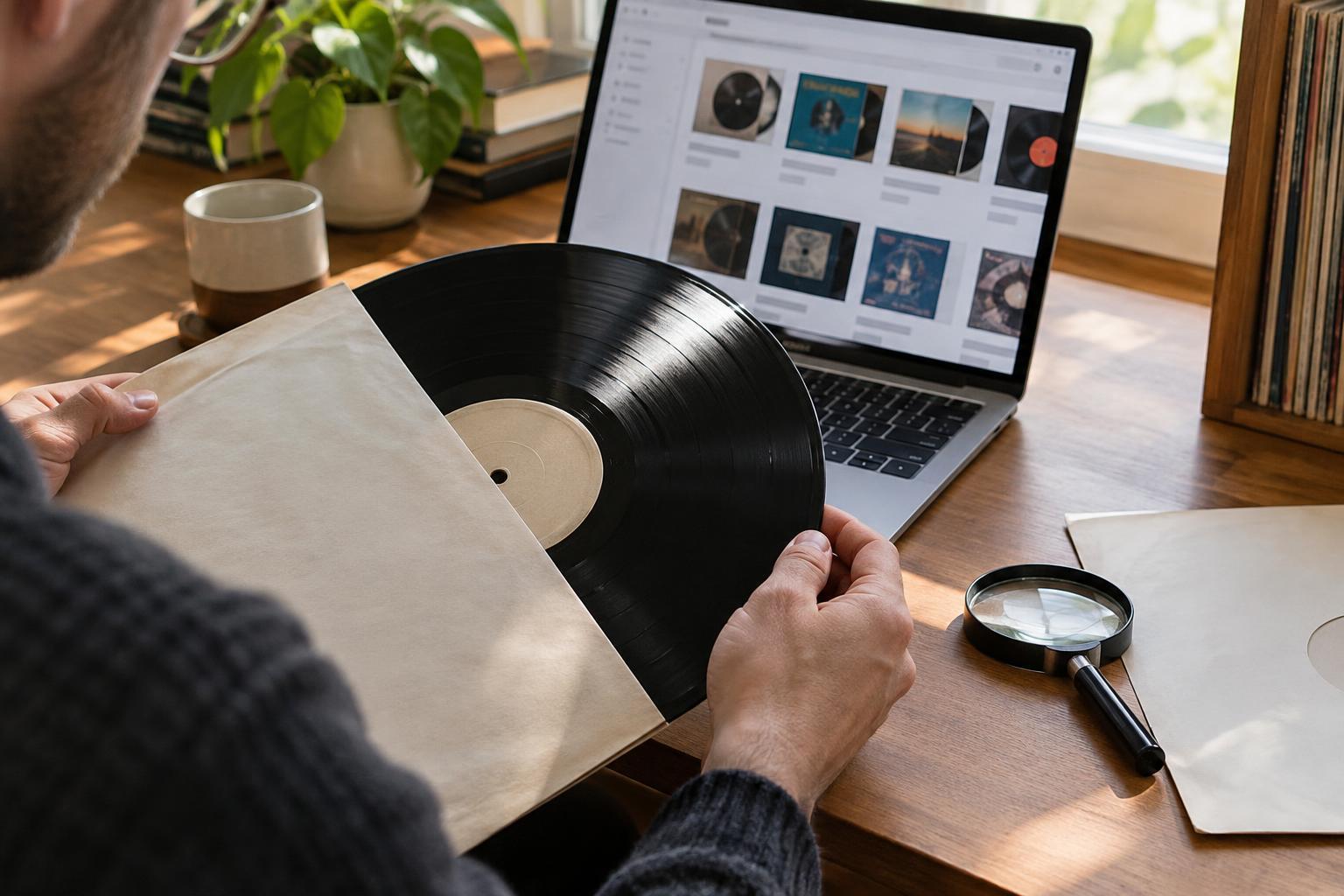
The album title and artist are only the beginning. Two copies with the same cover can be different pressings, and those differences can matter to collectors. Compare the label, catalogue number, country of release, format and any identifying details in the listing. Matrix or runout markings, etched or stamped near the centre of the disc, can help distinguish versions that otherwise look alike.
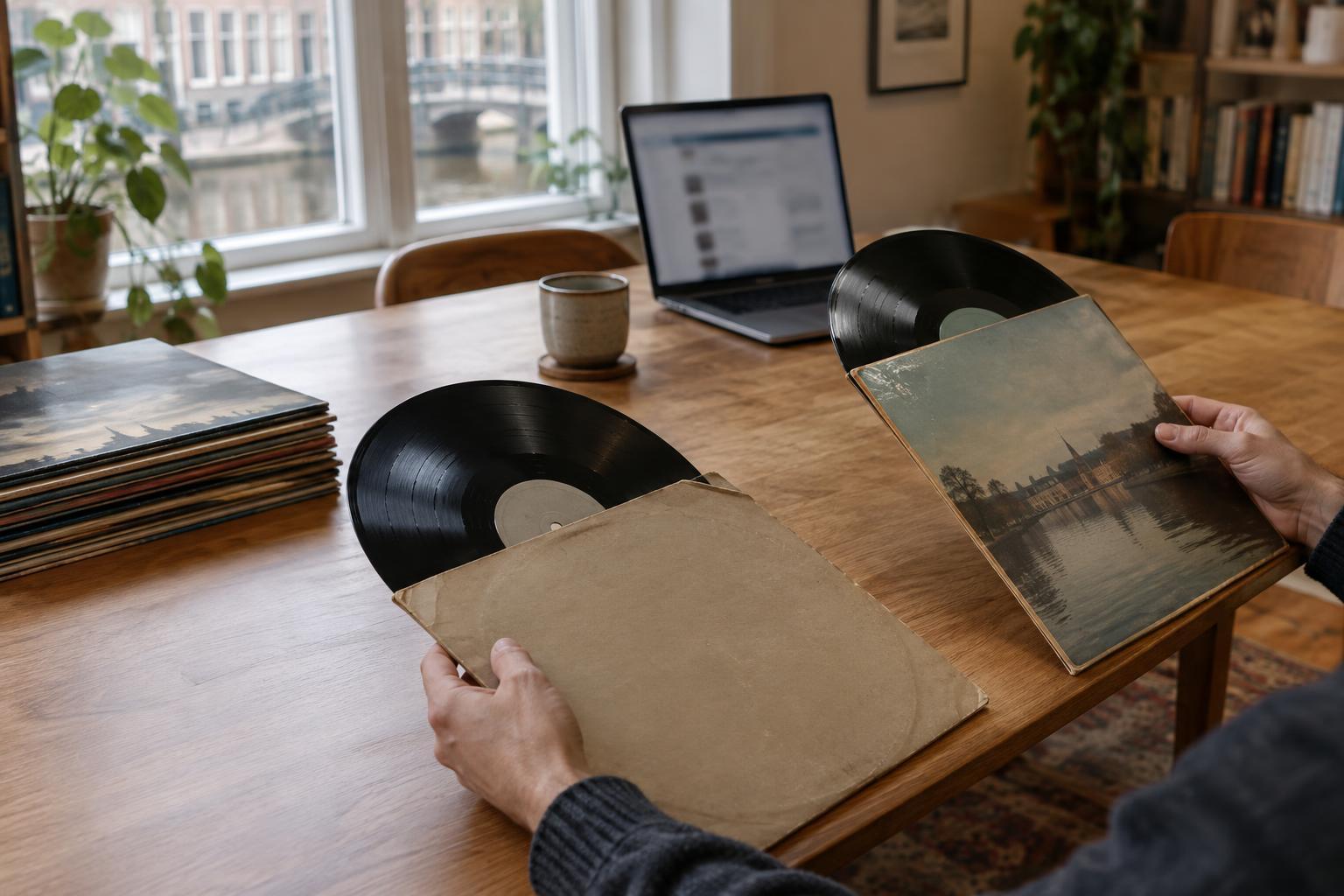
Do not assume an early pressing is automatically worth more, or that every reissue is interchangeable. A later edition might have a different track list, artwork or mastering. If you cannot identify the copy with confidence, widen your search to similar versions and keep that uncertainty in mind. A sale for a clearly identified scarce variant should not set the price for an unidentified copy found while crate-digging.
Compare condition as carefully as the pressing
Condition can explain much of the gap between two sale prices. Check the seller’s description of both the vinyl and the sleeve, including scratches, warps, writing, seam splits, missing inserts and signs of water damage. Grading terms are useful shorthand, but sellers do not always apply them in the same way. Photos help with sleeve wear; they cannot reliably tell you how a record sounds.
A play-tested description is especially helpful when you are comparing copies you intend to listen to rather than display. Surface noise, skips and distortion matter more than a disc that merely looks clean under favourable light. If you are buying in person, inspect the record under decent lighting and ask whether it can be played. When that is not possible, leave room in your price range for the risk that its condition is worse than advertised.
Build a range instead of chasing one number
Gather several recent, reasonably close matches before drawing a conclusion. Set aside results that are clearly different pressings, unusually damaged copies, sealed copies or sales with unclear contents. Then look at the cluster of remaining prices rather than choosing the highest one. If comparable sales are spread widely, that spread is useful information: it may reflect condition differences, limited demand or simply too few transactions for a precise estimate.
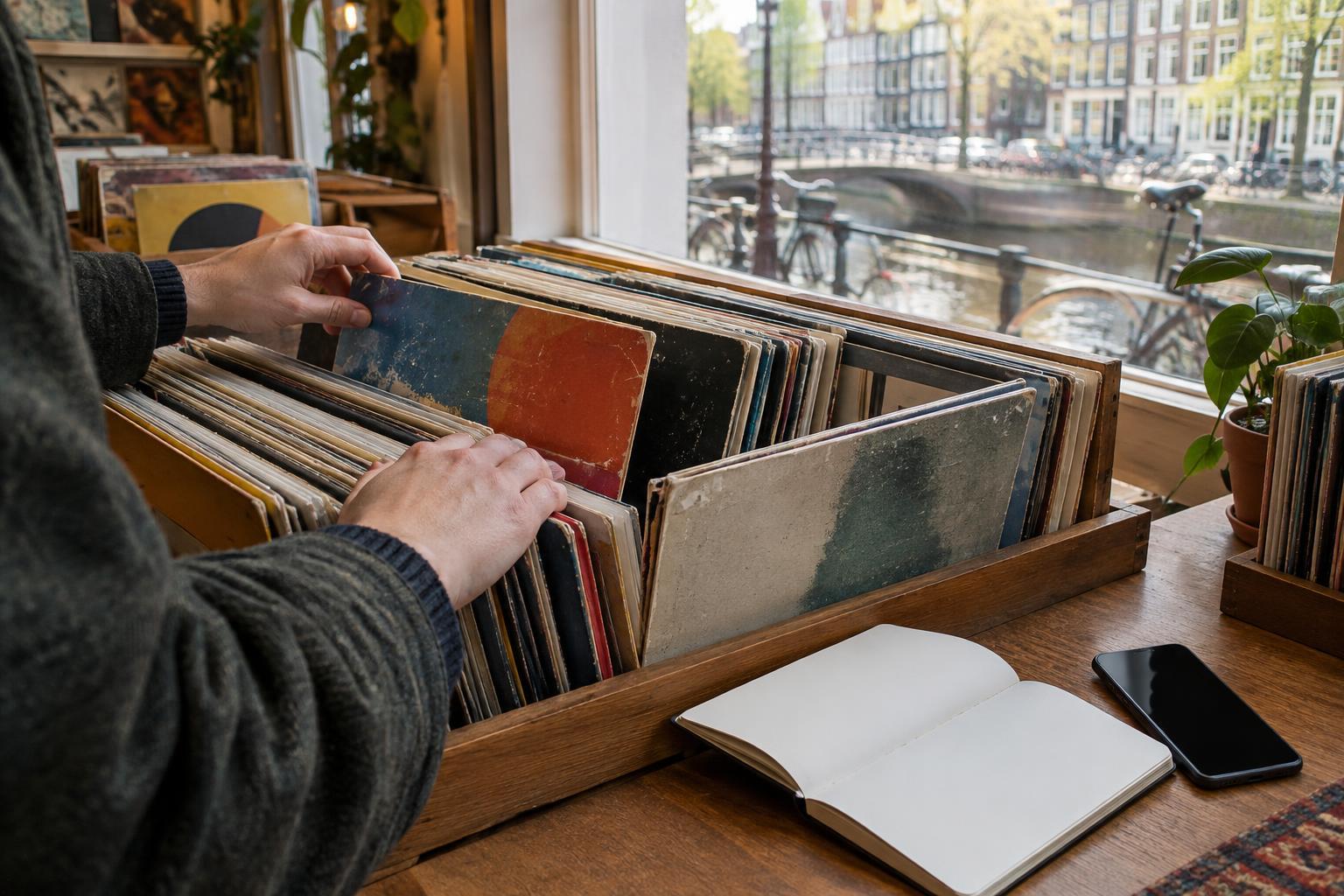
Include the full cost to the buyer when comparisons cross borders. Shipping can change what a buyer was effectively willing to spend, while taxes or import charges may make an overseas listing less attractive than a local copy. Currency conversions also move over time. For an Amsterdam buyer browsing both local crates and international listings, a slightly higher shelf price may still be the better deal once postage, waiting time and the chance to inspect the record are considered.
Use the evidence without letting it make the decision for you
Completed sales help you prepare a buying range, not a universal price tag. A shop copy you can examine, a well-documented online copy and an untested record at a market stall carry different levels of certainty. If there are few relevant sales, say so to yourself rather than treating one result as a rule. Set a maximum you are comfortable paying before you start negotiating or bidding.
Finally, remember why you want the record. If you are looking for a listening copy, a clean, affordable reissue may serve you better than a worn collectible pressing. If you collect a specific edition, verify its details before paying a premium. Sold prices can keep an impulse purchase in perspective, but your own priorities determine whether a particular copy is worth taking home.