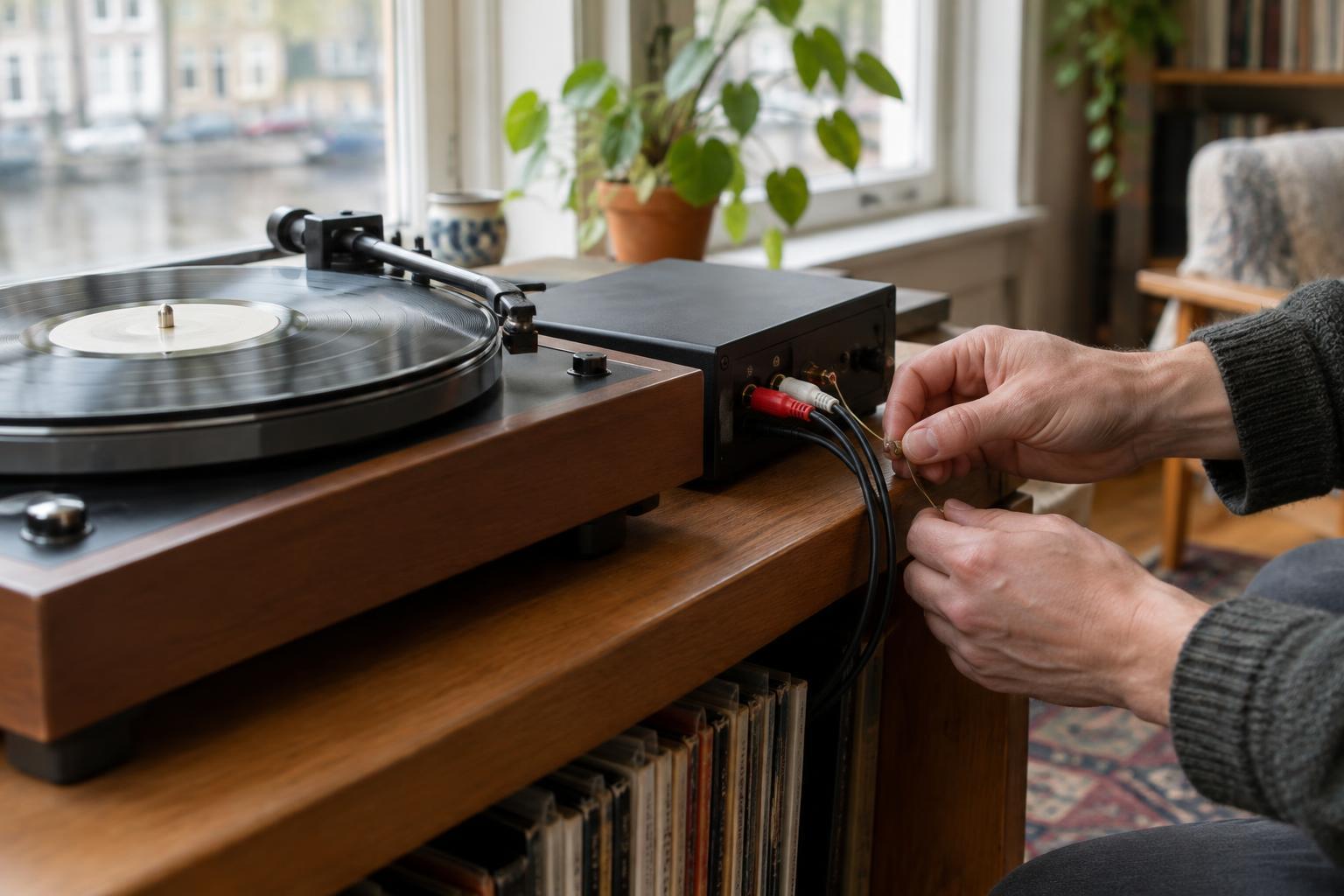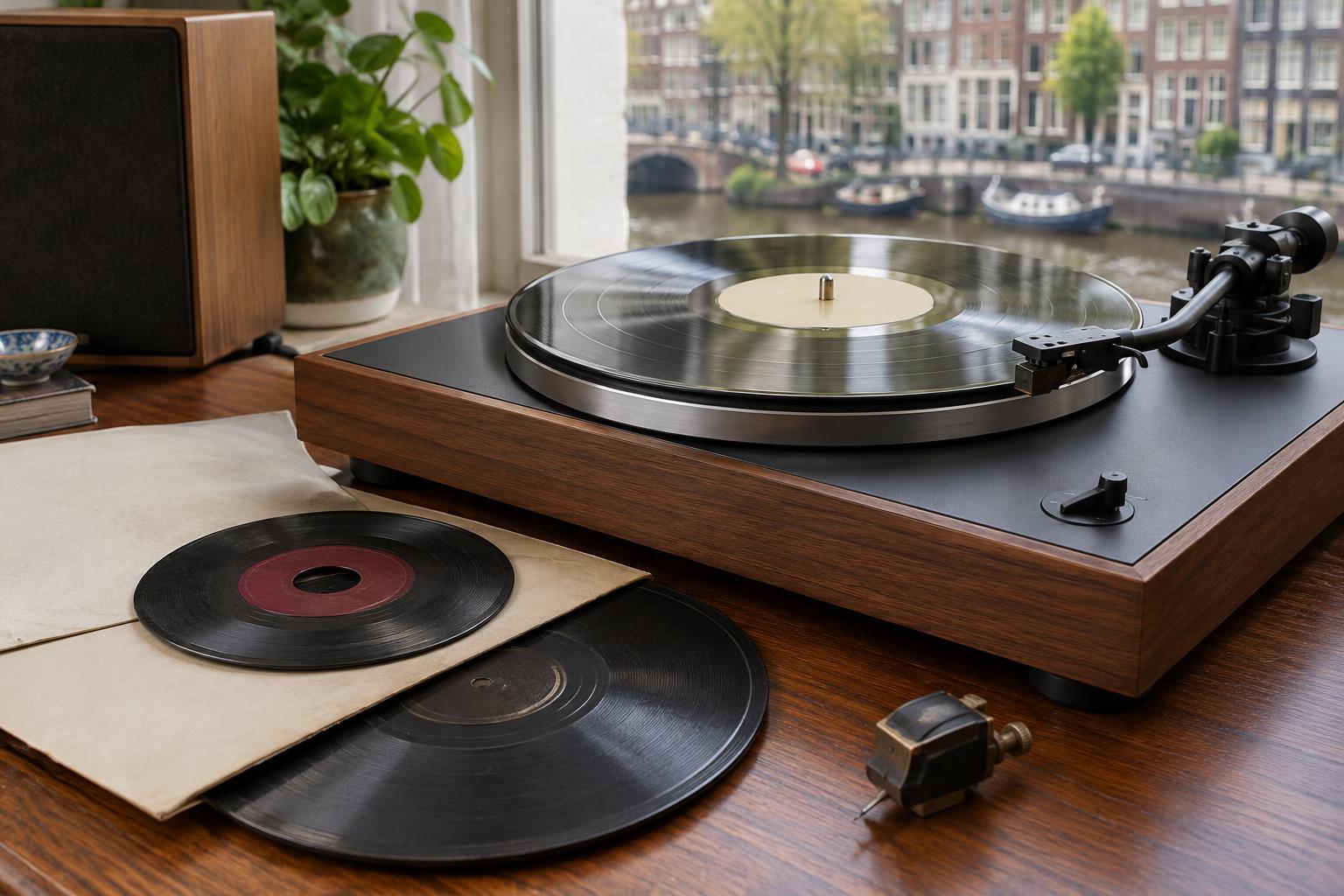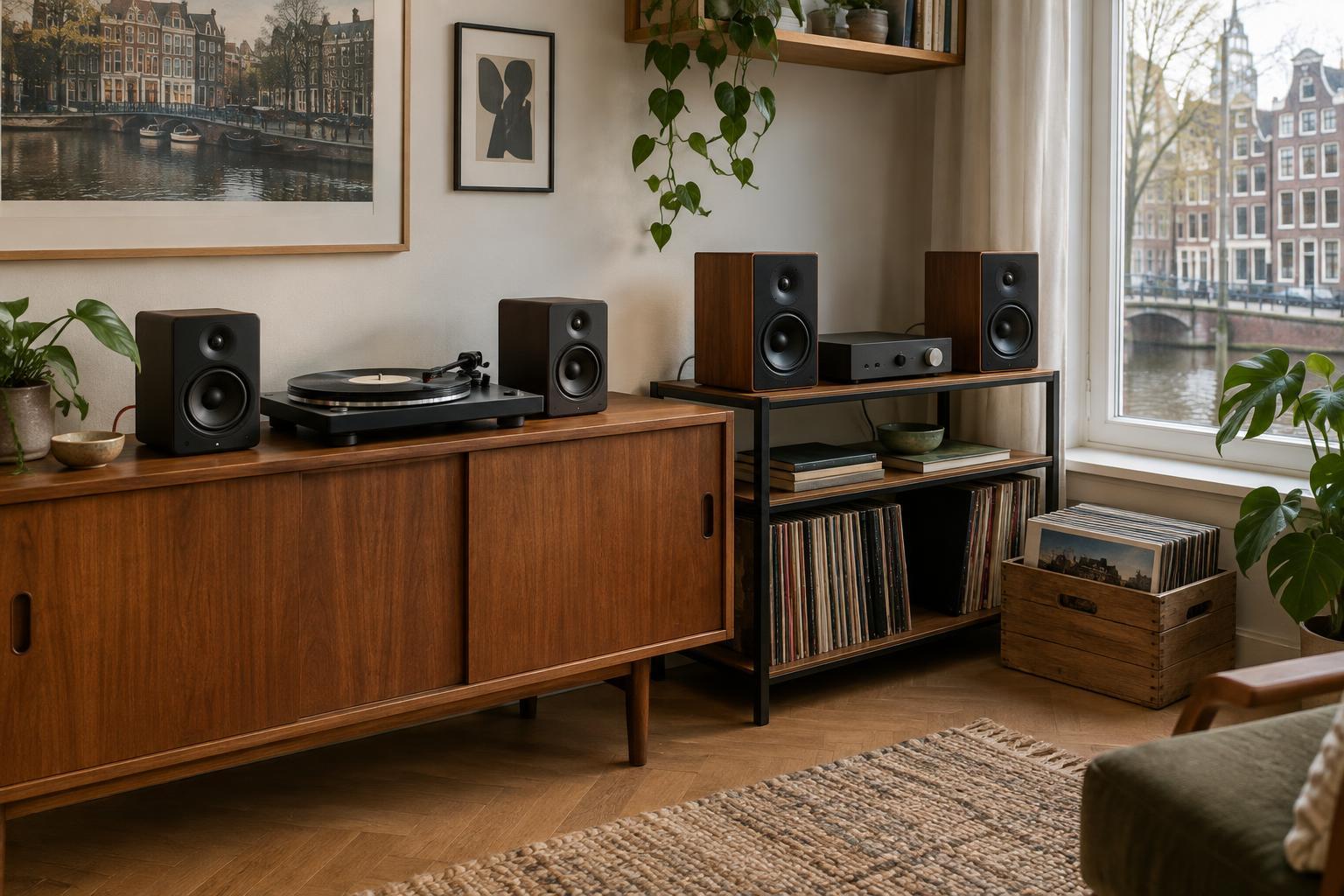
Start with a turntable that is ready to play
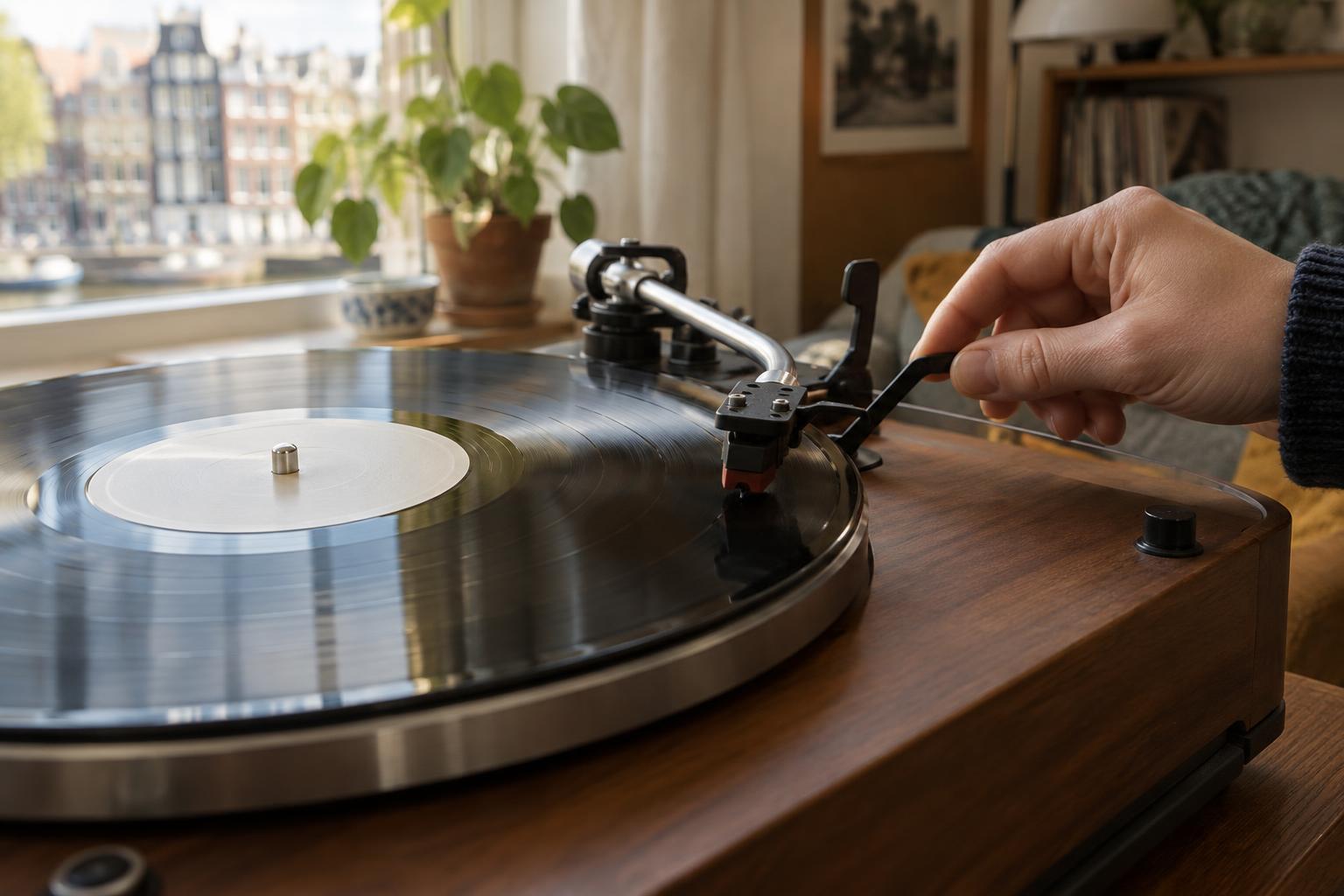
Cueing is the act of placing the stylus at the point where you want playback to begin. It can look delicate, but you do not need a perfectly steady hand to do it well. The cueing lever, also called the tonearm lift, holds the arm above the record and lowers it in a controlled motion. Using it gives you time to position the stylus without trying to lower the entire arm by hand.
Before you begin, make sure the turntable is on a stable surface and the tonearm is set up according to its instructions. Remove the stylus guard if one is fitted, handling it carefully so it does not catch the needle. Place the record on the platter by its edges and label, then start the platter at the correct speed. Keep the cueing lever in its raised position while you get ready to move the arm.
Find the lead-in groove without touching the record
For a first attempt, start at the beginning of a side rather than trying to land on a particular song. Hold the tonearm by its finger lift or designated grip and move it slowly over the outer edge of the spinning record. Aim for the lead-in area: the narrow band just inside the record’s edge, before the denser-looking music grooves. The stylus should remain above the surface throughout this move.
Check the stylus position from a comfortable angle without leaning so close that you risk bumping the turntable. You do not have to place it at an exact point. If you are unsure, pause with the arm raised, look again and make a small adjustment using the finger lift. Do not push the cartridge or nudge the stylus itself.
Let the cueing lever do the lowering
Once the stylus is above the lead-in area, release the cueing lever gently. On many turntables, the arm will descend gradually until the stylus meets the record. Keep your hand clear and watch the first moment of contact. The lead-in groove should guide the stylus toward the music; a brief sound before the track begins is normal.
Avoid lowering the arm by hand when a functioning cueing lever is available. A sudden movement can make the stylus land too hard or skip across the surface. If your tonearm lift drops abruptly, does not rise high enough or behaves unpredictably, stop and check the turntable’s instructions before continuing. Do not try to compensate by forcing the arm downward or holding the cartridge.
Lift before you reposition
If the stylus lands in the wrong place, raise the cueing lever and wait until the stylus is fully clear of the record. Only then move the arm sideways and try again. Dragging a stylus across grooves, even a short distance, is not a safe way to find your place. At the end of a side, use the lever to lift the arm before returning it to its rest, unless your turntable handles that step automatically.
To start a later track, look for the wider, quieter-looking band between songs and position the raised stylus above it. Those bands can be hard to see, especially under dim light or on records with closely spaced tracks. Give yourself good lighting and accept that you may start a few seconds early. A gentle landing matters more than pinpoint accuracy.
Build a repeatable listening habit
A simple sequence makes cueing feel less precarious: record on platter, correct speed selected, cueing lever up, arm moved by its grip, stylus positioned, lever lowered. When you finish, lift first and move second. Keeping playback volume modest while you learn can also make an unexpected landing less startling.
Practice with a record you know well, taking your time rather than racing to the first note. With repetition, you will get a better sense of how your tonearm moves and how quickly its lift descends. The goal is not a dramatic, perfectly timed needle drop. It is a controlled start that lets you settle in and listen.