Decide what counts as part of the collection
An artist’s discography can be much larger than a shelf of studio albums. Depending on the artist, it may include singles, EPs, live recordings, soundtracks, collaborations, remixes, compilations and releases under another name. Before buying, write down what you actually want to collect. “Every main album on vinyl” is a different project from “every version of every release.” Neither is more legitimate; the useful definition is the one that fits your interests.
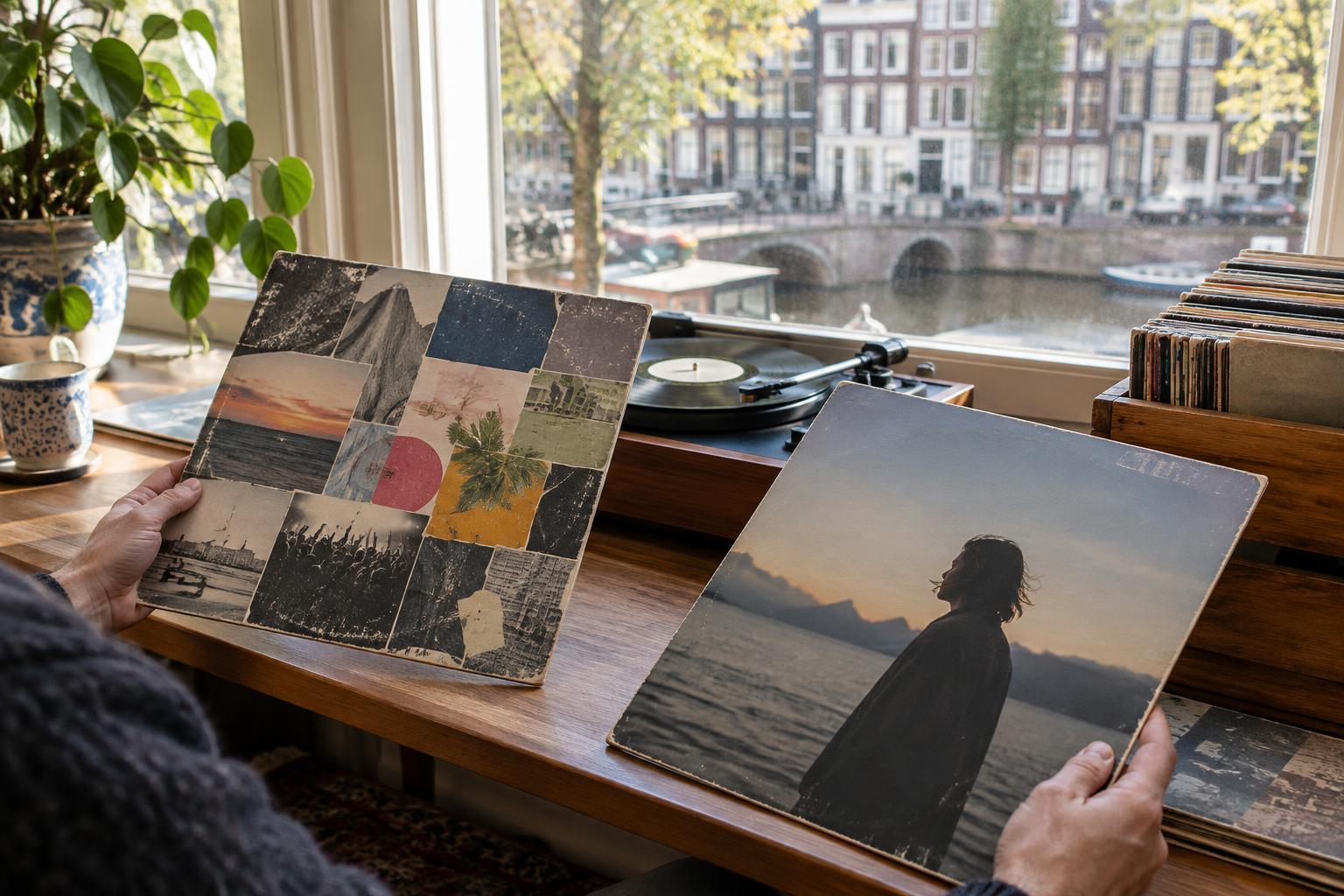
It also helps to separate music from objects. If your goal is to hear every track, a compilation might cover several hard-to-find singles. If you love sleeve art or the way an album was originally sequenced, individual releases may matter more. Make a few simple categories, such as essential, interesting and outside scope. You can change them later, but an initial boundary keeps an exciting find from quietly turning into an obligation.
Let your listening habits set the first priorities
Start with the records you expect to play. List the albums or songs that made you care about the artist, then note which releases contain them. If you are new to the catalog, leave room for discovery rather than treating a complete list as a shopping list. Listening to an album before pursuing a particular copy can help you distinguish a lasting favorite from a title you only want because it is missing.
A useful first tier is made up of records you would be pleased to own even if the collection never became complete. A second tier might include albums you like but can wait for in the right condition or at the right price. Place alternate mixes, peripheral collaborations and collectible variants in a later tier unless they are central to your enjoyment. This approach gives the collection a satisfying core while keeping the search open-ended.
Choose editions for a reason
Once you know which titles matter most, decide how much the specific edition matters. Some collectors want an early pressing, a particular sleeve or a release from a certain country. Others simply want a clean, playable copy. Neither preference guarantees a better listening experience: condition, mastering, pressing quality and the state of your own playback setup can all affect what you hear.
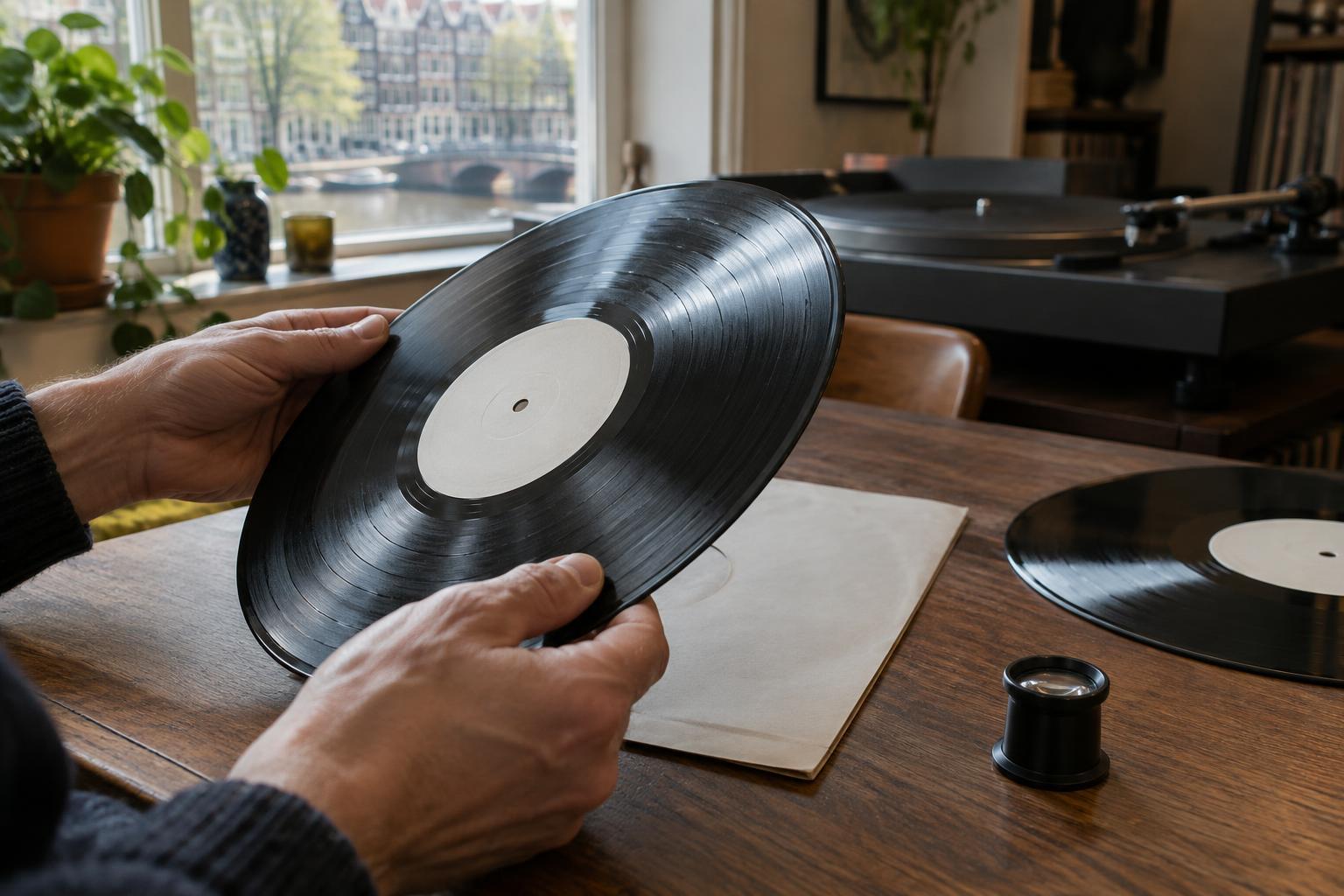
Before paying more for a variant, identify the feature you value. Is it a different track list, artwork you love, a format that suits your turntable, or the pleasure of owning a particular issue? Check identifying details on the sleeve and record rather than relying on a brief description alone. If the differences are mainly cosmetic and you care most about playing the music, a more common edition may leave more room in your budget for another album.
Set buying rules that protect the budget
A priority list works best alongside limits. Decide what you are comfortable spending on ordinary titles and which, if any, justify saving for longer. Include shipping, possible returns and the cost of replacing a disappointing copy when comparing options. A low sticker price is less appealing if the record is too worn for the way you want to listen.
Condition deserves its own rule. Read descriptions carefully, ask questions when details are unclear and inspect records in person when you can. Visible marks do not always tell the whole story, but vague grading should not be treated as a promise of quiet playback. You might accept a worn sleeve for a record you intend to play often while being more selective about a release whose packaging is the main attraction. Waiting is a valid collecting decision, especially for titles likely to appear again.
Keep a record, then allow your priorities to change
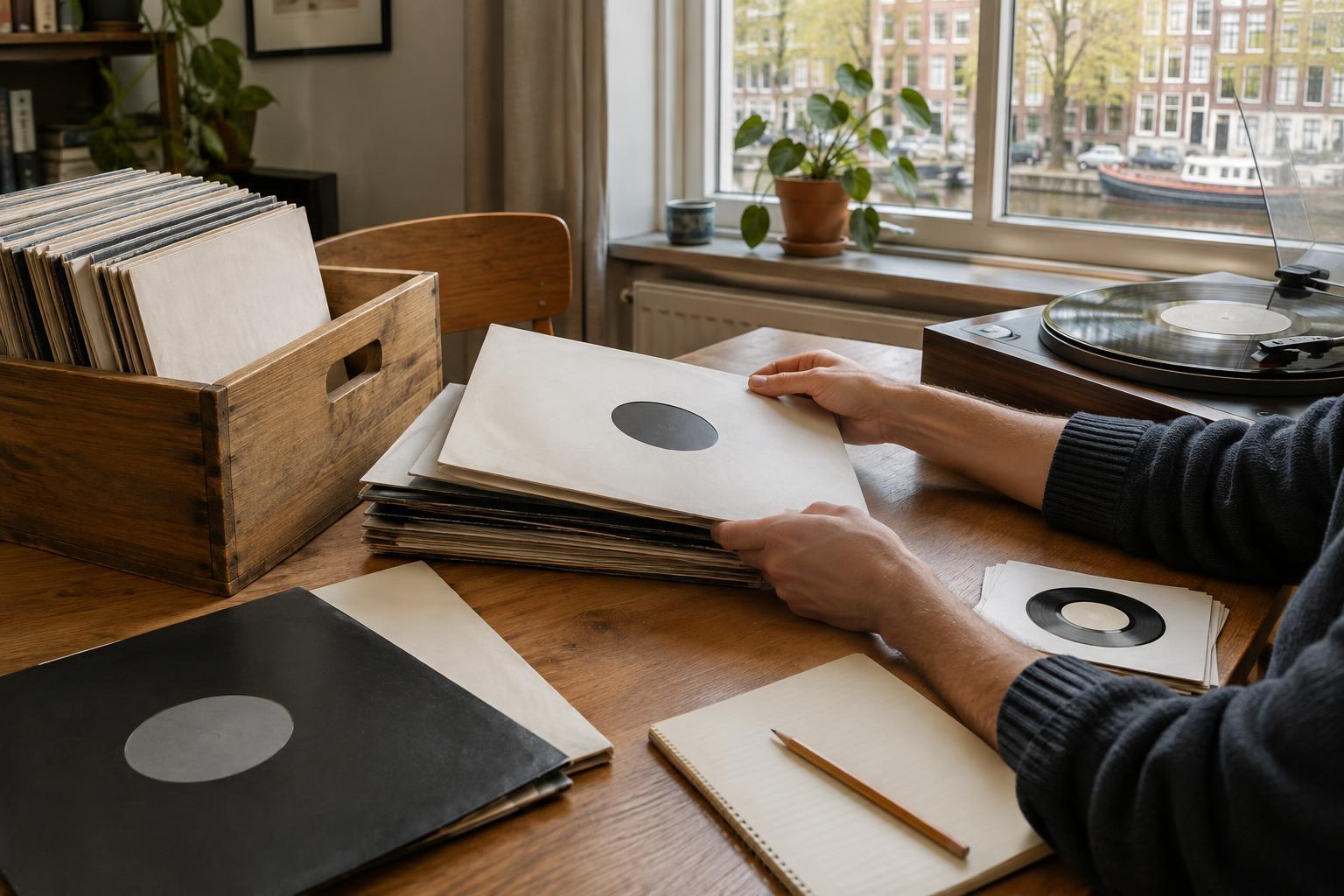
Maintain a simple list of what you own, what you want and why. Note the edition and condition of each copy, particularly when an artist has many similar-looking reissues. Add a short reason beside each wish-list title: “favorite album,” “different songs” or “only if affordable.” Those notes make it easier to judge an unexpected find in a shop or at a record fair without buying purely on impulse.
Revisit the list after you have lived with a few purchases. Some records may become regular listens; others may reveal that you enjoy the idea of completion more than the music itself. It is fine to narrow your scope, sell a duplicate or move a once-essential variant down the list. A discography collection does not need to advance in release order or end in total completion. Its best shape is one that reflects what you have learned to love about the artist.