Look for the people behind the music
Amsterdam’s music culture is more than a list of famous stages. Small venues, record shops, listening sessions, community-run events and temporary spaces all give musicians and audiences places to meet. Some focus on a particular sound; others make room for experiments that would not suit a larger stage. As a visitor, you do not need to know every local name to take part. Curiosity, a little planning and consideration for the people sharing the space go a long way.
Start with the programmes published by venues, shops and event organisers themselves. Read the description rather than choosing solely by genre tag or location: a seated listening session calls for a different kind of attention than a late-night dance event. If you find an artist or organiser you like, look at their other events too. That can lead you to a space you might otherwise have missed.
Spend in ways that reach the space
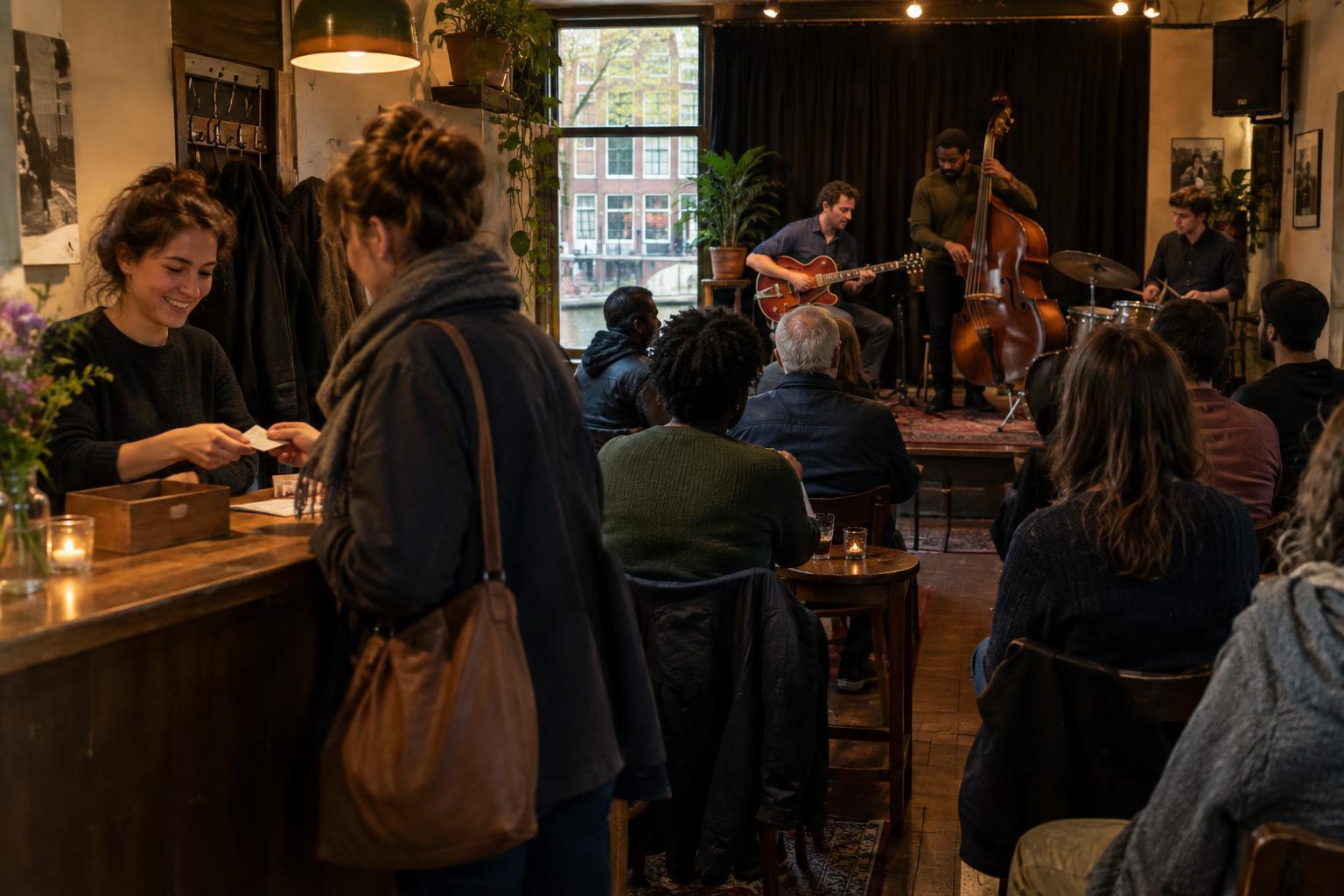
Buying a ticket is the most direct way to support an event. When booking, check whether the organiser offers a direct sales option and read the ticket terms before paying. If a show has a suggested contribution rather than a fixed price, consider what you can comfortably give instead of assuming the lowest amount is expected. Arriving for the opening act is another simple gesture: it gives an emerging performer an audience, not just a name on the bill.
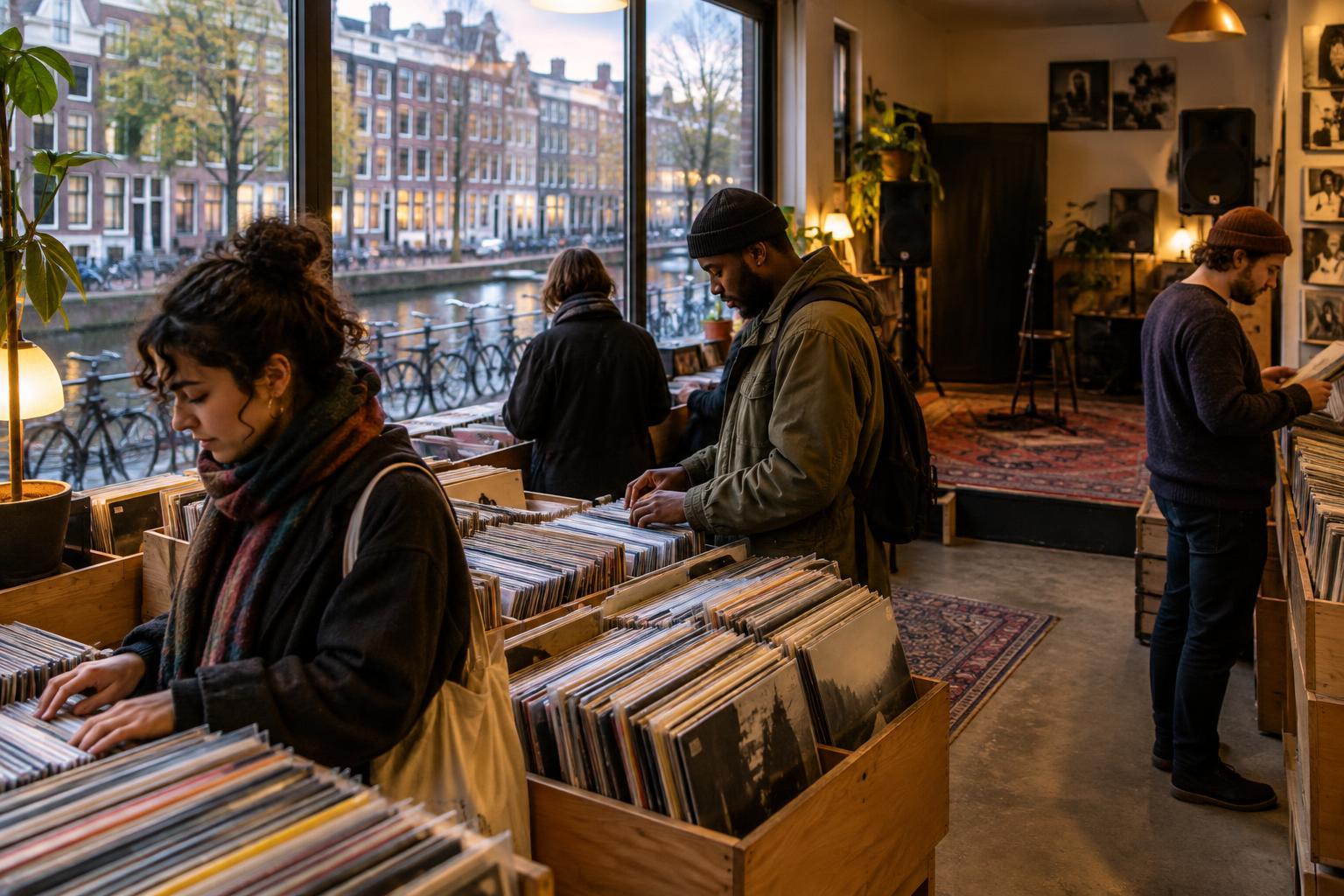
Once inside, a drink, a piece of merchandise or a record can add to your support if your budget allows. There is no need to buy something you do not want. A thoughtful purchase is better than treating every independent space as a souvenir stop. If you discover a record in a local shop, ask about the music, listen where listening is invited, and pay for the copy you choose. Shops are working environments as well as places to explore.
Be a guest in the room and the neighbourhood
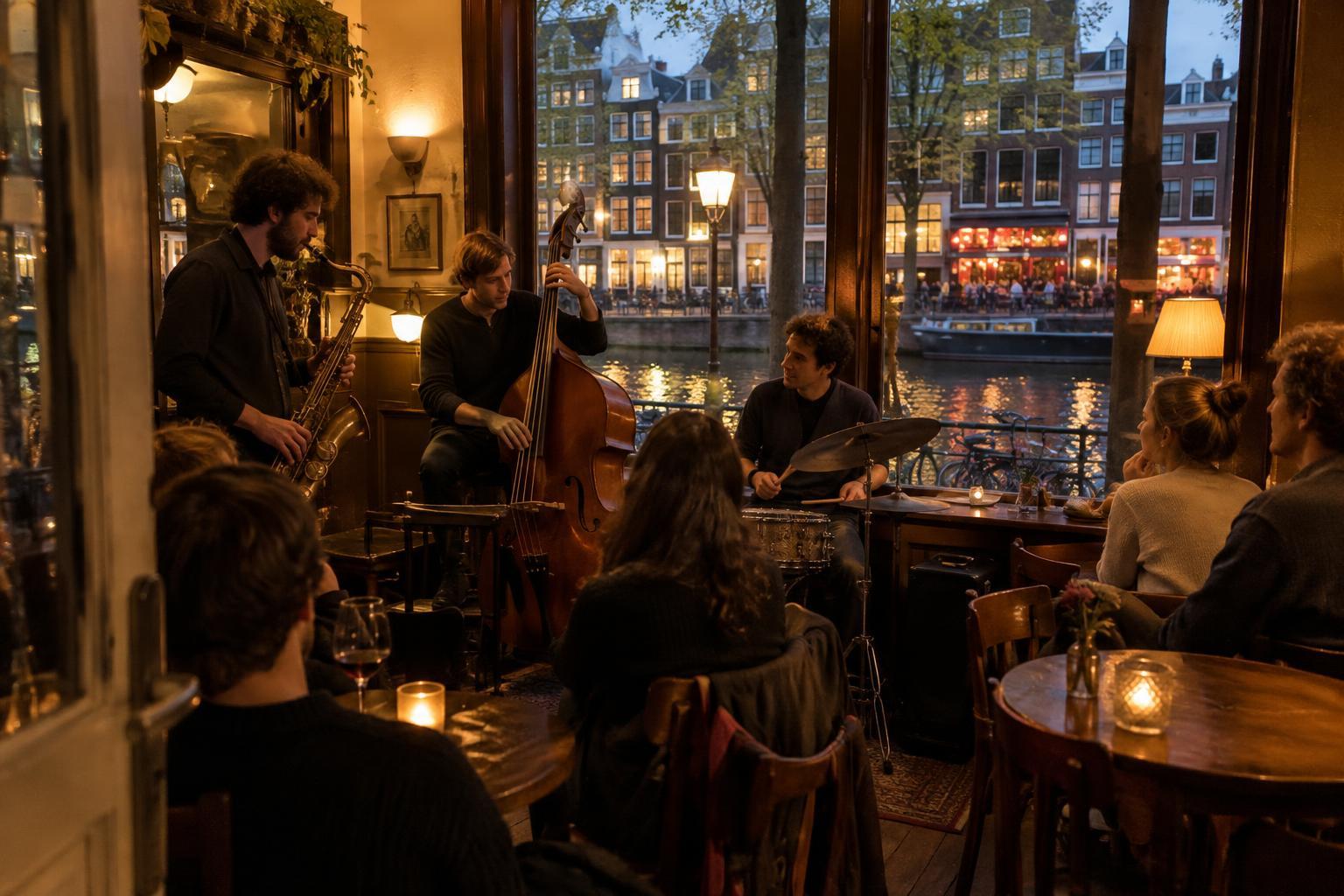
The best etiquette begins by noticing what kind of room you are in. Keep conversation low during quiet performances, follow any photography rules and avoid filming an entire set through your phone. Ask before photographing people at close range. If the event has a dance floor, give others space and respect the atmosphere the performers and organisers are trying to build. Staff and volunteers may be busy; a polite question is easier to answer than an assumption.
Your visit continues outside the door. Keep entrances clear, take rubbish with you and lower your voice when leaving late, especially near homes. Plan your journey back before the event so you are not relying on staff to solve transport questions at closing time. These habits may seem small, but they help a music space function alongside its neighbours.
Explore beyond a single kind of Amsterdam night out
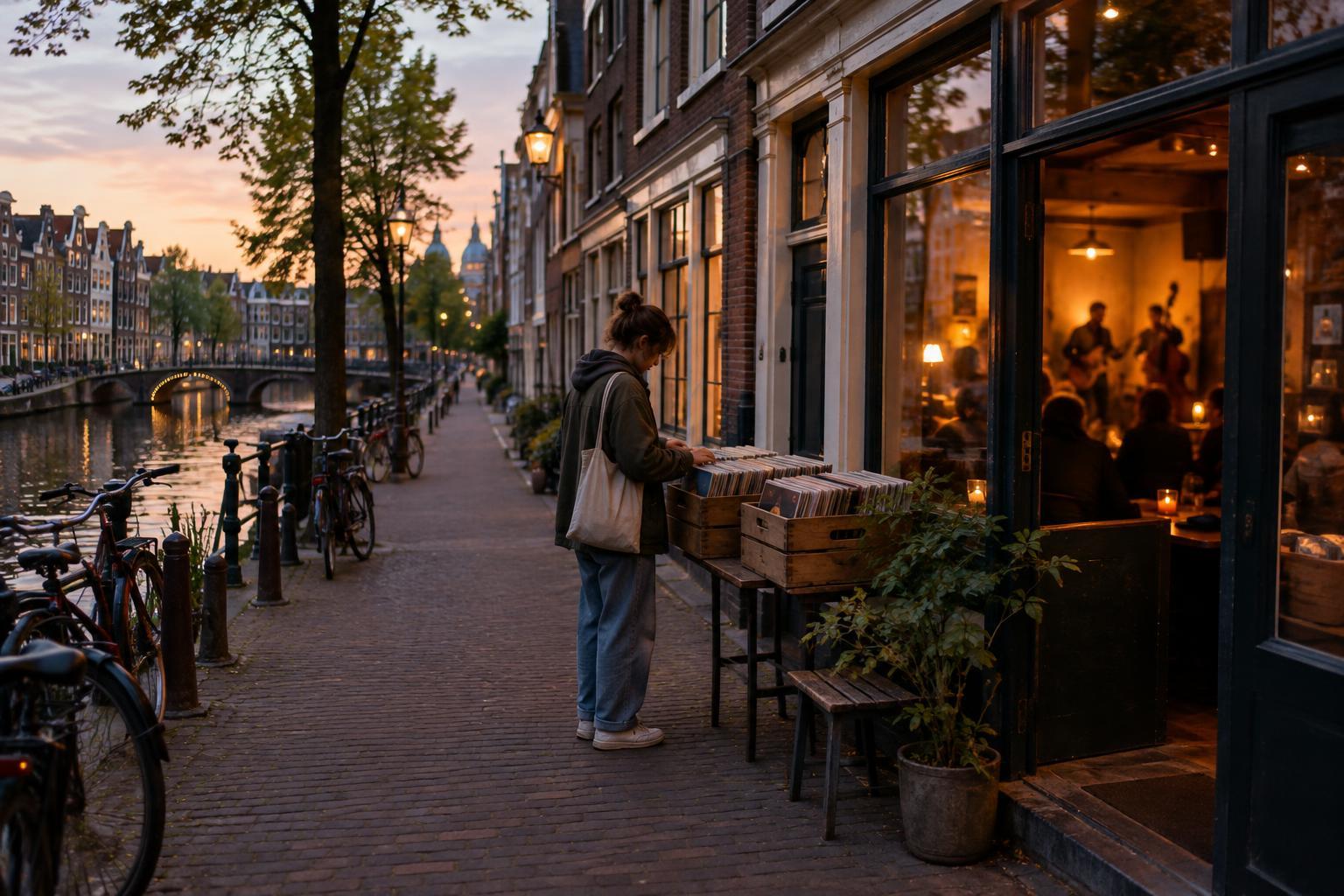
It is easy to plan a trip around the busiest central streets. Independent music culture, however, is not confined to one postcard view of the city. Give yourself time to consider events in different neighbourhoods, allowing for the journey and the character of each space. A daytime record browse, an early concert and a focused listening session can reveal different sides of the same musical community.
Let your interests guide you without expecting every visit to deliver a hidden gem. If you collect records, approach crate-digging as an exchange rather than a hunt for bargains at someone else’s expense. Handle sleeves gently, return records to the right place and ask before using a listening station. If a recommendation misses your taste, thank the person anyway. Good conversations often begin when you can say what you already enjoy and remain open to something unfamiliar.
Keep supporting what you enjoyed
Support need not end when you leave Amsterdam. Follow artists, labels, shops and organisers whose work stayed with you, and use their own channels to find future releases or events. If you share a recommendation, describe what made the experience worthwhile instead of presenting a small space as a secret to be consumed. Check whether an event welcomes public photos or location tags before posting them.
A visitor cannot resolve every challenge an independent music space faces. You can still make your presence useful: pay when you can, listen with attention, respect the people doing the work and tell friends about music you genuinely enjoyed. That approach makes for a richer visit, too. Instead of simply passing through a scene, you leave having met it on its own terms.