Start with what each person wants
A fair trade does not have to mean two records with identical price tags. One collector may be looking for a particular pressing, while another would rather take home an album they will play often. Before discussing value, ask what the other person collects and which of your records genuinely interest them. Be equally clear about what you are willing to part with. A record you would regret losing is better kept out of the trade pile.
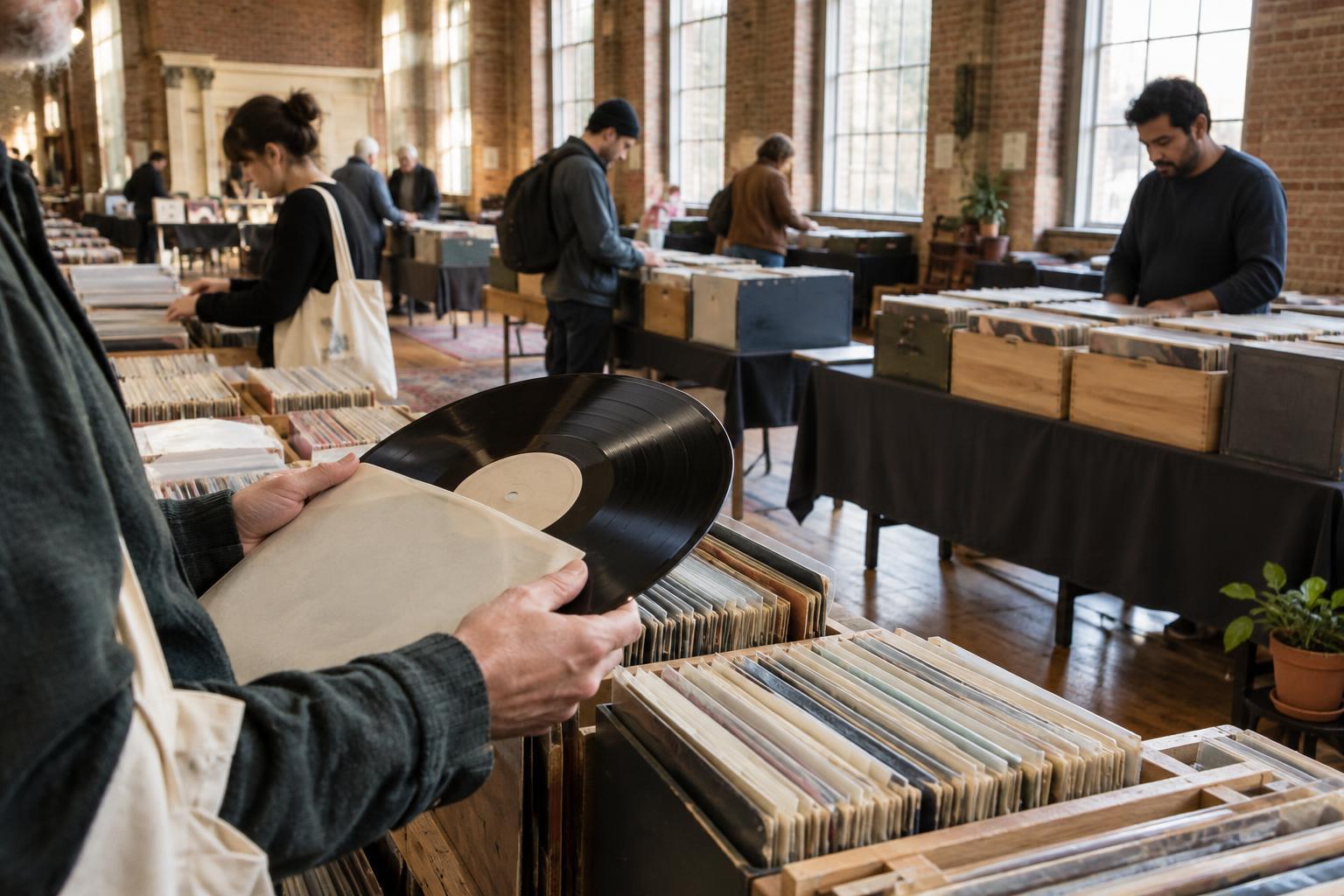
Make room for a polite no. Some collectors enjoy browsing and talking without wanting to swap that day. If you are trading at a fair, a listening event or a casual meet-up, do not assume that a record someone shows you is available. Ask first, and avoid pressuring anyone to decide while they are still looking through your records.
Describe the copy, not just the album
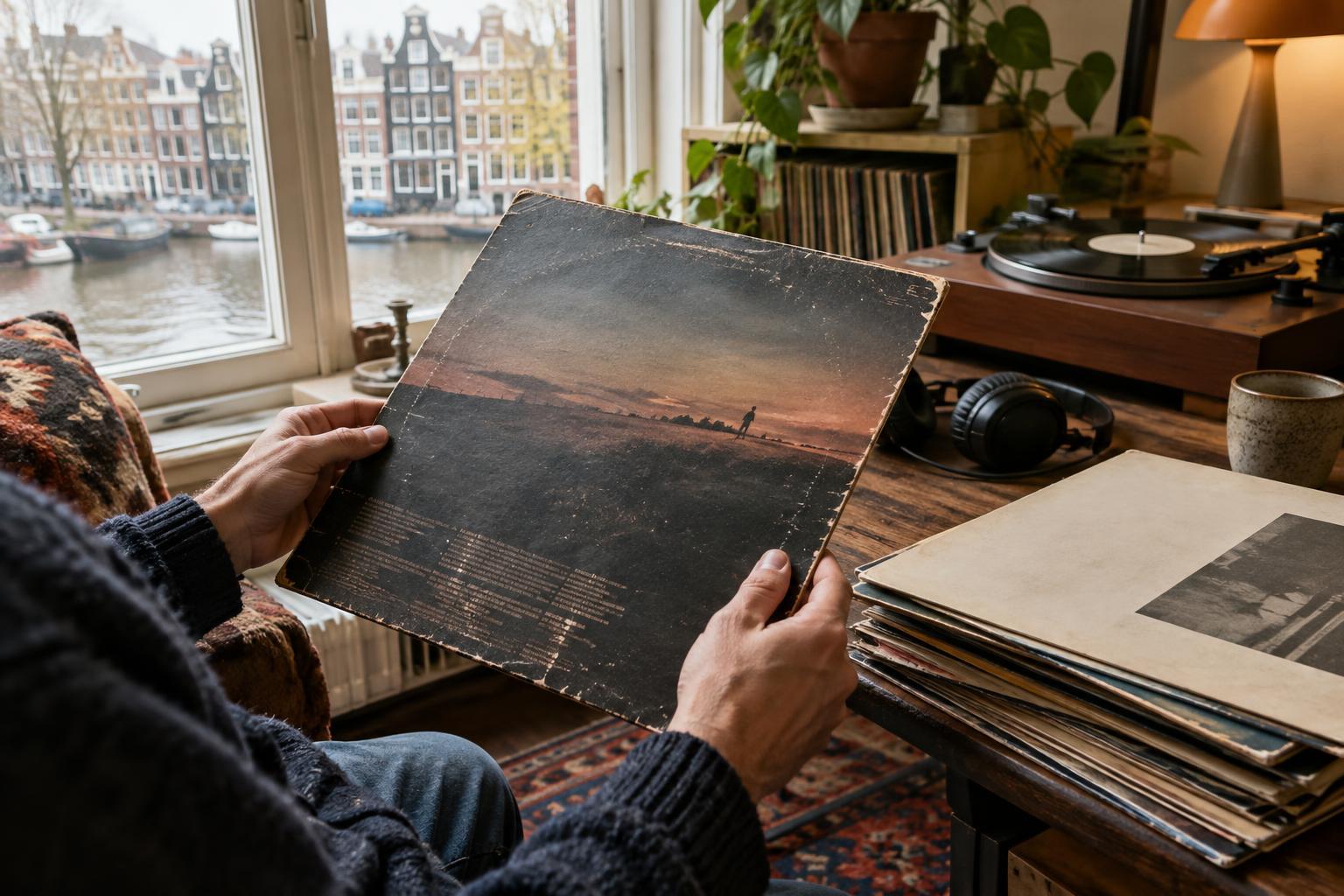
Two copies of the same album can offer very different listening experiences. Check both the disc and its packaging in good light. Point out visible marks, warping, a torn inner sleeve, writing on the cover, seam splits or a missing insert. If you use grading terms, explain what you mean by them rather than assuming both people apply them in exactly the same way. A brief, specific description is more useful than a confident but vague claim that a copy is “clean.”
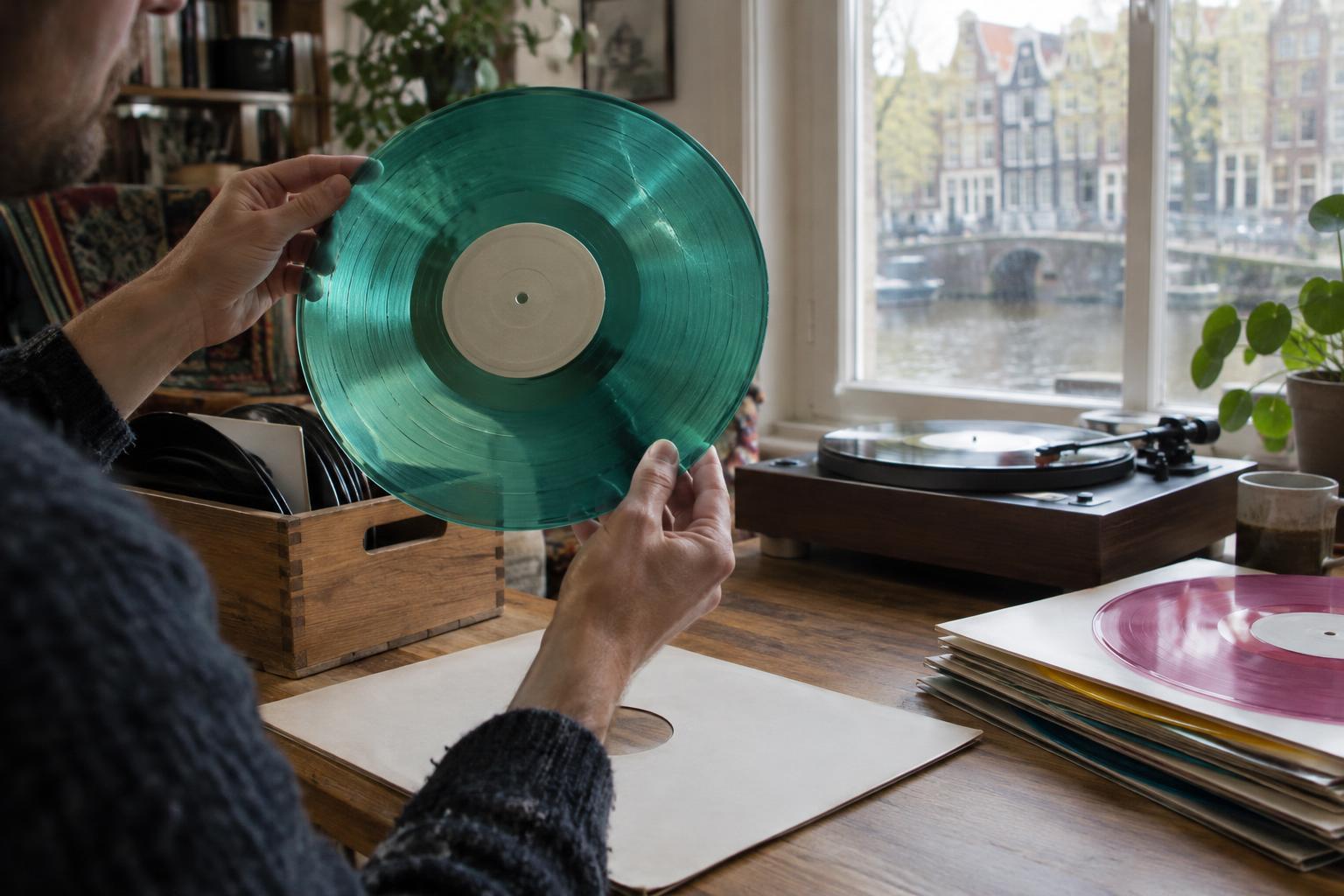
Sound matters as well as appearance. If you have played the record recently, mention any persistent clicks, skips or noisy passages you noticed. If you have not tested it, say so. Do not promise that a mark is inaudible based only on how it looks. When possible, let the other collector inspect the disc outside its sleeve and, where a player is available, listen to a passage they choose. Handle the record by its edges and label while you do this.
Check the pressing and discuss value openly
Before comparing offers, make sure you are talking about the same edition. Cover artwork alone may not identify a pressing: catalogue numbers, label designs, inserts and details in the runout area can help distinguish versions. If either person is unsure, treat the identification as uncertain. It is better to pause a trade than to present an unverified copy as a sought-after edition.
Recent asking prices can provide context, but they are not a guarantee of what a copy will sell for. Condition, completeness and demand all affect what someone may be willing to give. Explain how you arrived at your proposed trade, then invite the other person to do the same. A one-for-one swap may feel right; at other times, adding a less valuable record or a small cash difference may help. Neither person has to accept a deal simply because the arithmetic appears even.
Agree on the details before handing anything over
Lay out the full trade in plain terms: which copies are changing hands, whether any inserts or outer sleeves are included, and whether money is part of the exchange. Give both people time for a final inspection. If you spot a defect you forgot to mention, speak up before the swap is complete. That moment may be awkward, but discovering it afterward is worse.
For a trade arranged remotely, clear photos and a written description help both sides know what to expect. Agree on packing and shipping responsibilities before posting anything, including what you will do if a parcel is damaged or lost. Use a sturdy mailer and protect the record so it cannot move freely inside. Keep your messages factual and easy to refer back to; they are useful when honest misunderstandings arise.
Treat the relationship as part of the trade
A collector who trusts your descriptions may be happy to trade with you again. Respectful habits are simple: return records to their sleeves carefully, do not disparage someone else’s taste, and acknowledge when you do not know a pressing or its likely value. If a proposed swap does not work for you, decline without making the other person defend their collection.
After the exchange, check what you received when you have the chance. If there is a problem, contact the other collector calmly and describe it precisely rather than assuming bad intent. Fair trading cannot remove every surprise from a used record, but honest descriptions, patient inspection and clear agreements give both people a better chance of going home with music they are glad to own.