A neighbourhood with a voice
The Jordaan is a neighbourhood in central Amsterdam, but in song it is also a setting, a memory and a point of view. A street or café can stand for a whole circle of neighbours. A singer may address someone close to them, recall a difficult time or express affection for a place that has changed. Even listeners who have never walked through the Jordaan can recognise the feelings behind those stories.
Jordaan songs are often associated with the lives of ordinary Amsterdammers rather than grand events. Their sense of place comes from voices, characters and familiar situations as much as from named streets. That distinction matters: a recording does not have to serve as a literal account of neighbourhood life to convey how people have imagined and remembered it. Listening with that in mind leaves room for both the warmth of the songs and the complexity of the place they celebrate.
Where the levenslied fits
The Dutch word levenslied means “song of life.” It describes a broad popular-song tradition concerned with experiences such as love, loss, family, loneliness and resilience. A levenslied usually tells its story directly, with a melody that makes the emotion easy to follow. Sentiment is part of the form, but sentiment need not mean simplicity: a familiar refrain can make a painful story feel shareable.
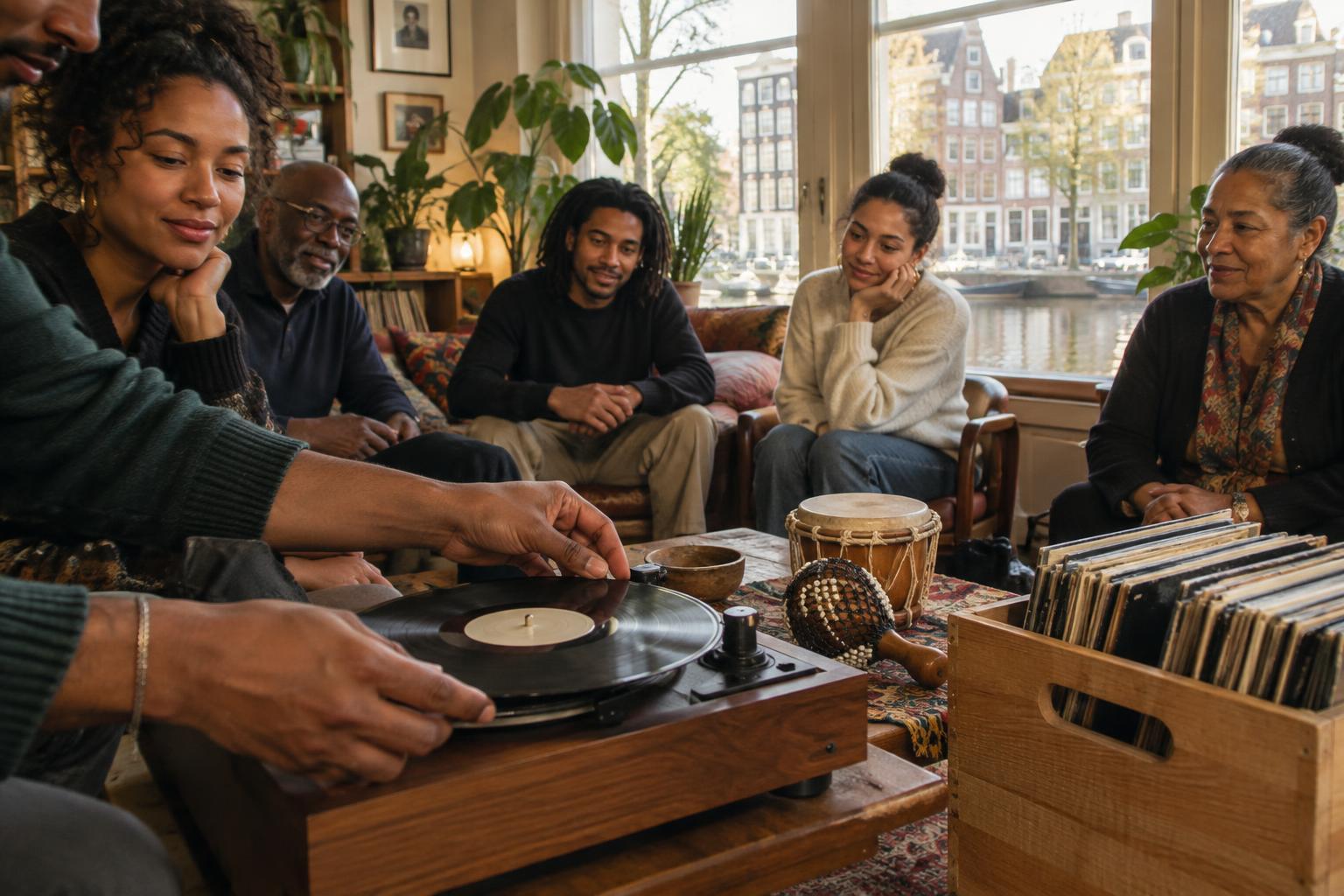
Not every levenslied is a Jordaan song, and not every song about the Jordaan sounds alike. The two overlap because performers and audiences have long connected this neighbourhood with candid, heartfelt storytelling. Singers including Johnny Jordaan and Tante Leen are closely associated with that connection. Their recordings offer a useful starting point, but the tradition is larger than any pair of names. It includes the people who sang along, requested songs and carried melodies into everyday gatherings.
What to listen for in the records
Start with the delivery of a line. In a Jordaan song, the singer’s phrasing can make a direct lyric sound teasing, tender or defiant. Listen for a pause before a name, a word held longer than expected or a shift from a conversational verse into a full refrain. Those details help explain why a song designed for a shared setting can still feel intimate through a single speaker.
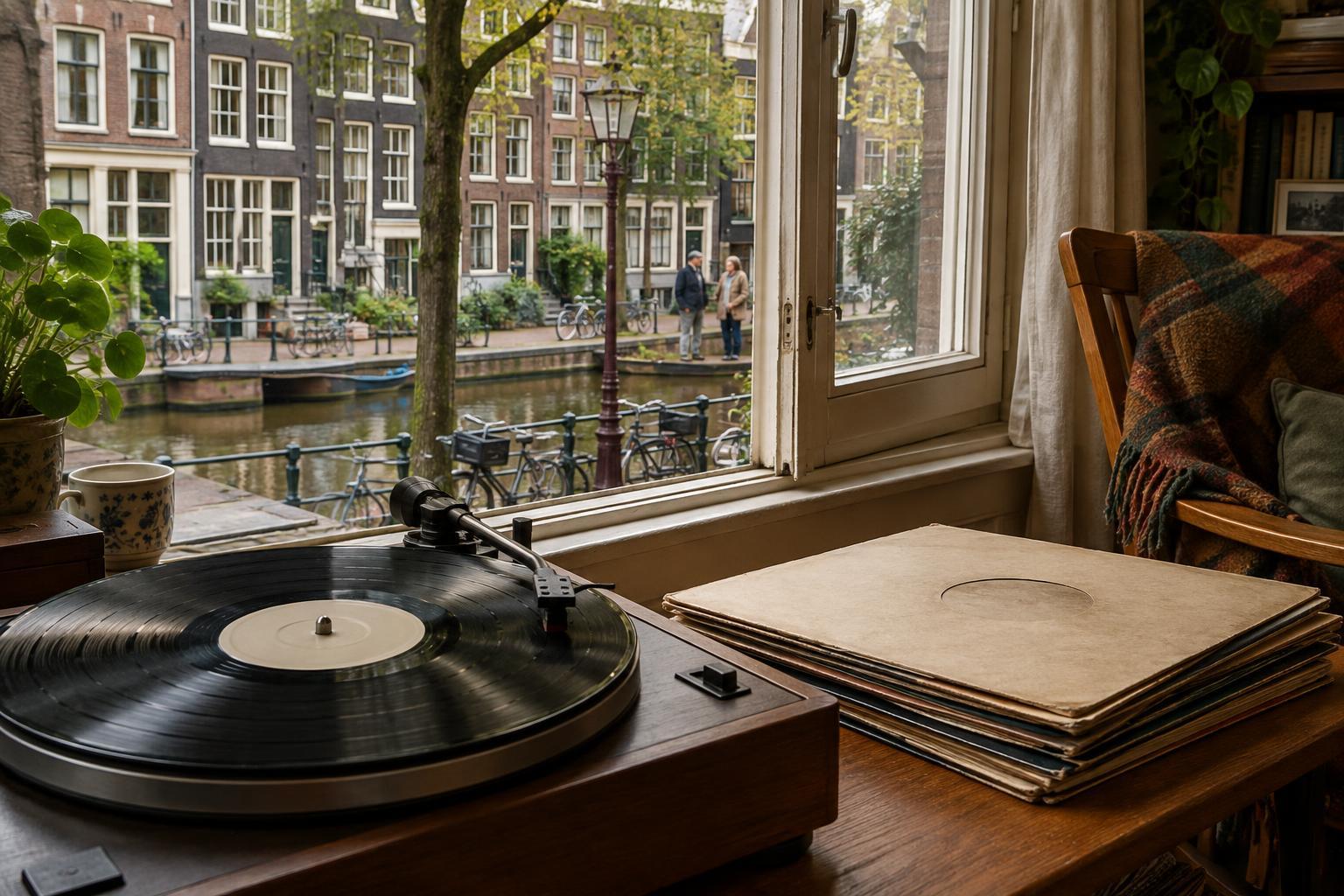
Then pay attention to the arrangement. An accompaniment may keep a steady pulse and support an easily remembered melody, giving the voice and story space to lead. Different recordings can make the same kind of lyric feel festive or reflective. On vinyl, try hearing the whole side rather than skipping immediately between choruses. The change in mood from one track to the next can reveal more about a performer’s range than a single best-known song does.
Finding a way into the tradition
If you are exploring records, let the labels, sleeves and track lists guide your questions. Is the Jordaan named in a title, or is the connection primarily the performer? Does a song tell one person’s story, speak to a loved one or invite a room to join the refrain? Comparing a few recordings this way helps separate the subject of a song from the style in which it is performed.
In a record shop or at a market, it is reasonable to ask where Dutch-language popular music is filed; it may not have a dedicated Jordaan section. Check a used record’s surface and sleeve with care, and avoid judging a performance by the appearance of an old cover alone. A modest-looking disc may be the one whose voice stays with you. For listeners new to Dutch, reading a track title before playing it can provide a foothold, while the pacing and tone of the singing offer another way in.
Hearing affection without freezing a place in time
Neighbourhood songs can preserve a powerful sense of belonging, but they can also encourage nostalgia for an Amsterdam that was never the same for everyone. The Jordaan has changed, and a song’s portrait reflects a particular performer, audience and feeling. Treating that portrait as an expression rather than a complete history makes the music more interesting, not less.
The lasting appeal of the levenslied lies partly in its invitation to respond. A listener can admire a dramatic vocal, recognise a familiar family story or simply enjoy a chorus built to be sung together. Jordaan songs give that invitation a distinctly Amsterdam setting. Put one on, listen closely to the person at the centre of the lyric, and notice how a local story opens onto experiences well beyond the neighbourhood.