What the labels actually mean
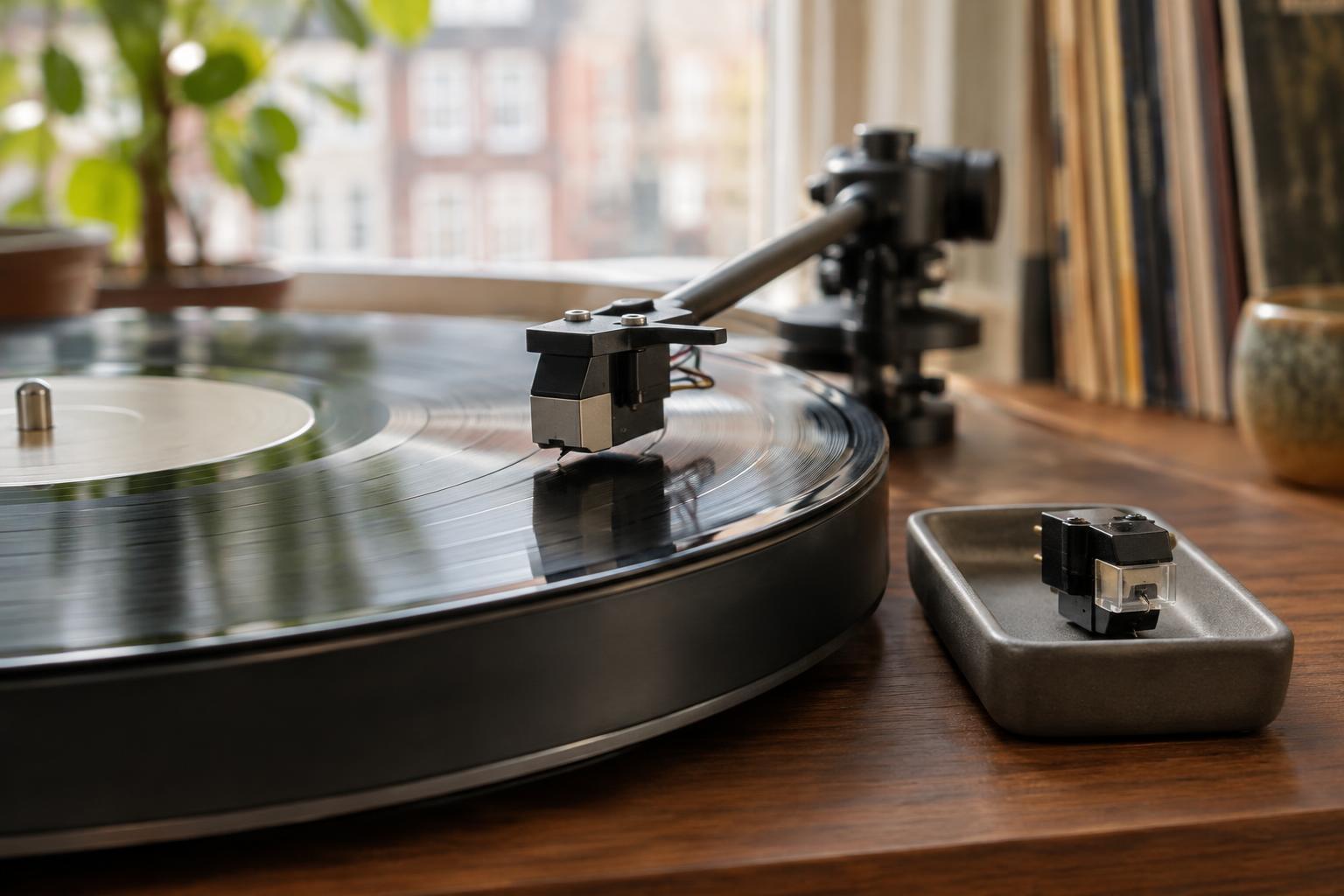
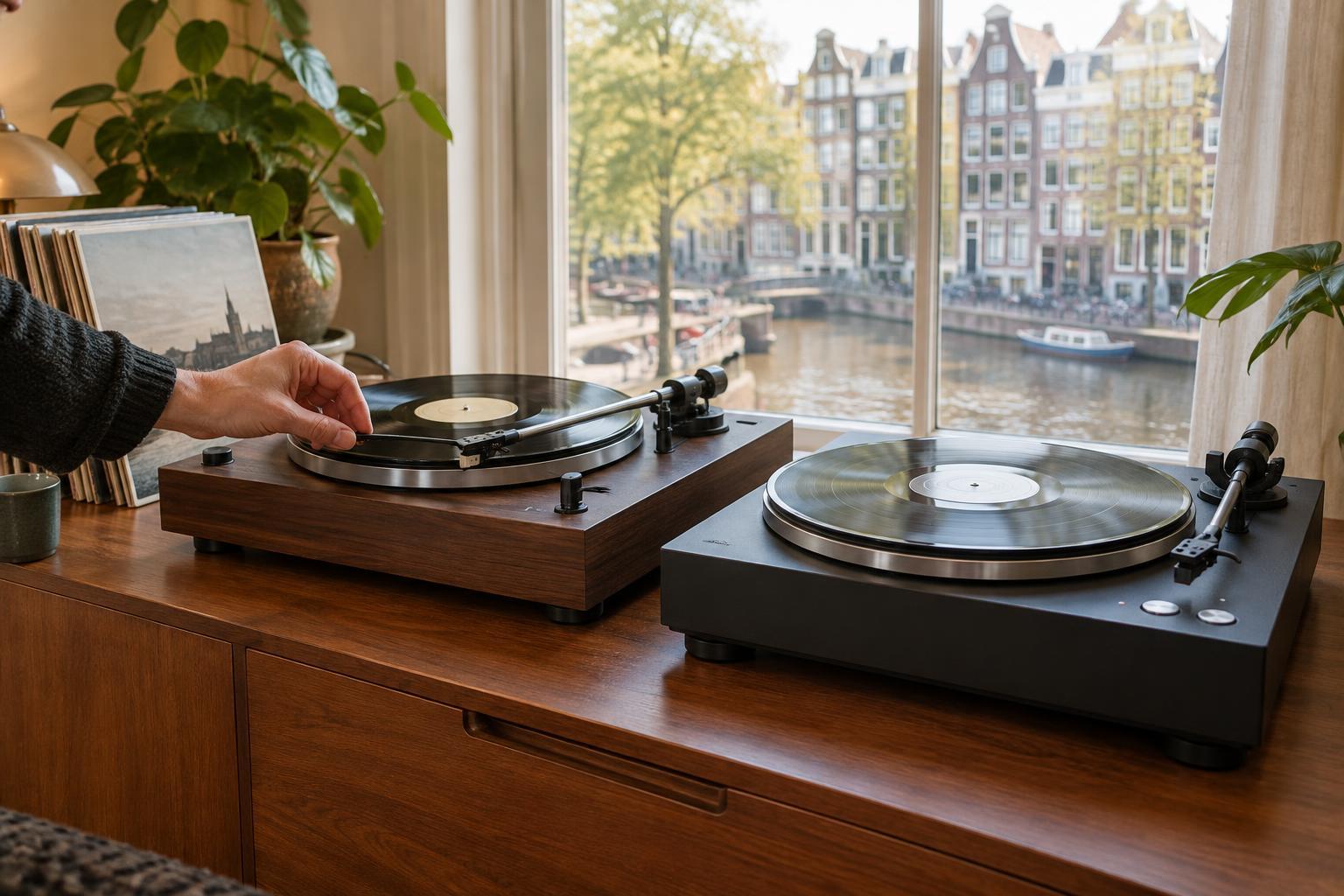
A manual turntable leaves the main steps to you. You start the platter, move the tonearm over the record and lower the stylus, usually with a cueing lever. At the end of the side, you lift the arm and return it to its rest. For some listeners, those small actions are part of the pleasure of playing a record. For others, they are tasks they would rather skip.
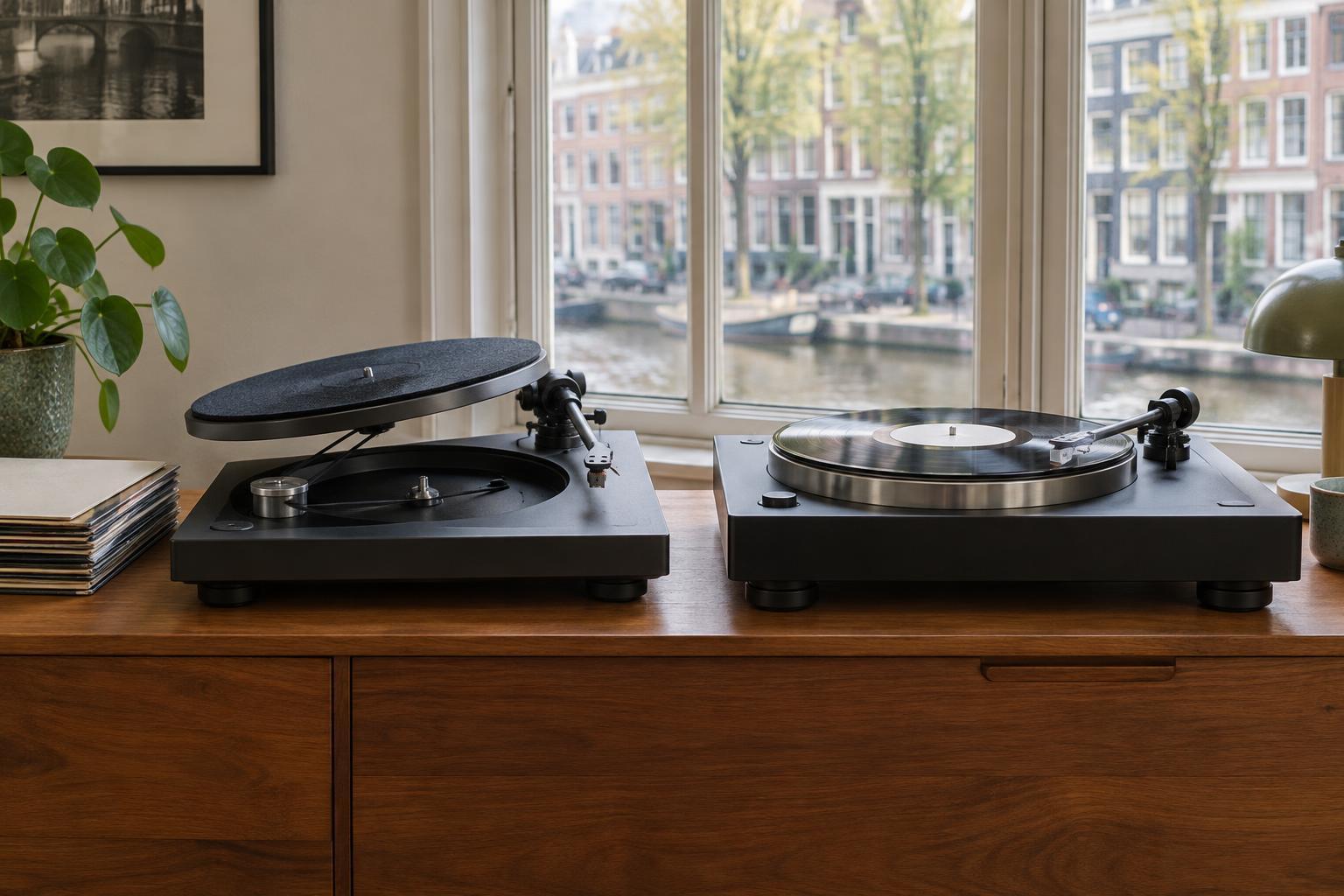
A fully automatic turntable can typically move the arm to the start of a record and lower it after you press a button or move a control. At the end of the side, it lifts and returns the arm. Semi-automatic models fall between the two: you start playback yourself, while the turntable handles the end of the side. Features vary by model, so check exactly what a turntable does rather than relying on its label.
Consider how you listen, not just how you start
Imagine an ordinary evening with a record on. If you enjoy choosing a side, setting the arm in place and sitting down to listen closely, a manual deck may feel natural. Its controls keep the process visible and deliberate. You do need to be comfortable cueing the stylus, particularly when you want to play a track in the middle of a side.
Automatic operation can be welcome when you play records while cooking, reading or moving around the room. You do not have to be beside the turntable the moment a side finishes. It can also make starting a record less daunting for someone who worries about placing the needle by hand. Automation does not remove every bit of handling, though: you still need to take the record from its sleeve, place it on the platter and flip it over for the next side.
If you like manual cueing but often forget to return the arm, a semi-automatic model may be a useful compromise. It preserves the familiar ritual of starting a side while taking care of the finish. Think about your most frequent listening session rather than an ideal one; the turntable you find easy to use is likely to get played more often.
Does one style sound better?
Manual operation does not automatically mean better sound, and automatic operation does not automatically mean worse sound. A turntable’s performance depends on the design and condition of the whole setup, including the cartridge, stylus, tonearm, platter and how well everything is adjusted. Speakers, placement and the condition of the record also shape what you hear. Compare individual models rather than treating their operating style as a shortcut for quality.
The cueing method can affect your experience even when it does not determine sound quality. A well-functioning cueing lever lowers the stylus gently and gives you time to line it up. On an automatic deck, smooth, correctly positioned arm movement matters too. Whatever the mechanism, a stylus that drops abruptly or lands in the wrong place is a reason to stop using the turntable until the problem is addressed.
Living with the mechanism
A manual turntable generally has fewer automated movements to manage. That can make its operation easier to understand, although it does not make the entire machine maintenance-free. Automatic and semi-automatic models add parts that must work together to move or return the arm. When shopping, test those functions if you can: watch where the stylus lands, whether the arm lifts cleanly and whether it returns without hesitation.
This matters especially with a used turntable. An older automatic model may still work beautifully, but a sticking return mechanism or unreliable start sequence can become frustrating. Check whether its controls behave consistently over several plays, not just once. On any turntable, inspect the stylus and follow the model’s instructions for setup; a convenient mechanism cannot compensate for a worn stylus or incorrect adjustment.
A simple way to choose
Choose manual if you enjoy being involved in each side and do not mind returning to the turntable when the music ends. Choose fully automatic if push-button starting and end-of-side return would make record listening easier to fit into your day. Look at semi-automatic options if your main wish is to stop the stylus from sitting in the run-out groove after a side finishes.
Before buying, try the controls in person when possible or read the operating instructions for the specific model. Notice whether the buttons, cueing lever and tonearm feel intuitive to you. The best operation style is not a badge of collecting expertise. It is the one that lets you handle your records confidently and enjoy listening to them.