Start with the labels, not a strict dividing line
Classic soul is a broad, informal term. Listeners often use it for soul recordings from the genre’s formative decades, especially songs whose voices, arrangements and songwriting have remained familiar. It can include energetic dance tracks, slow ballads and plenty in between. The word “classic” signals esteem or familiarity more than a precise sound.
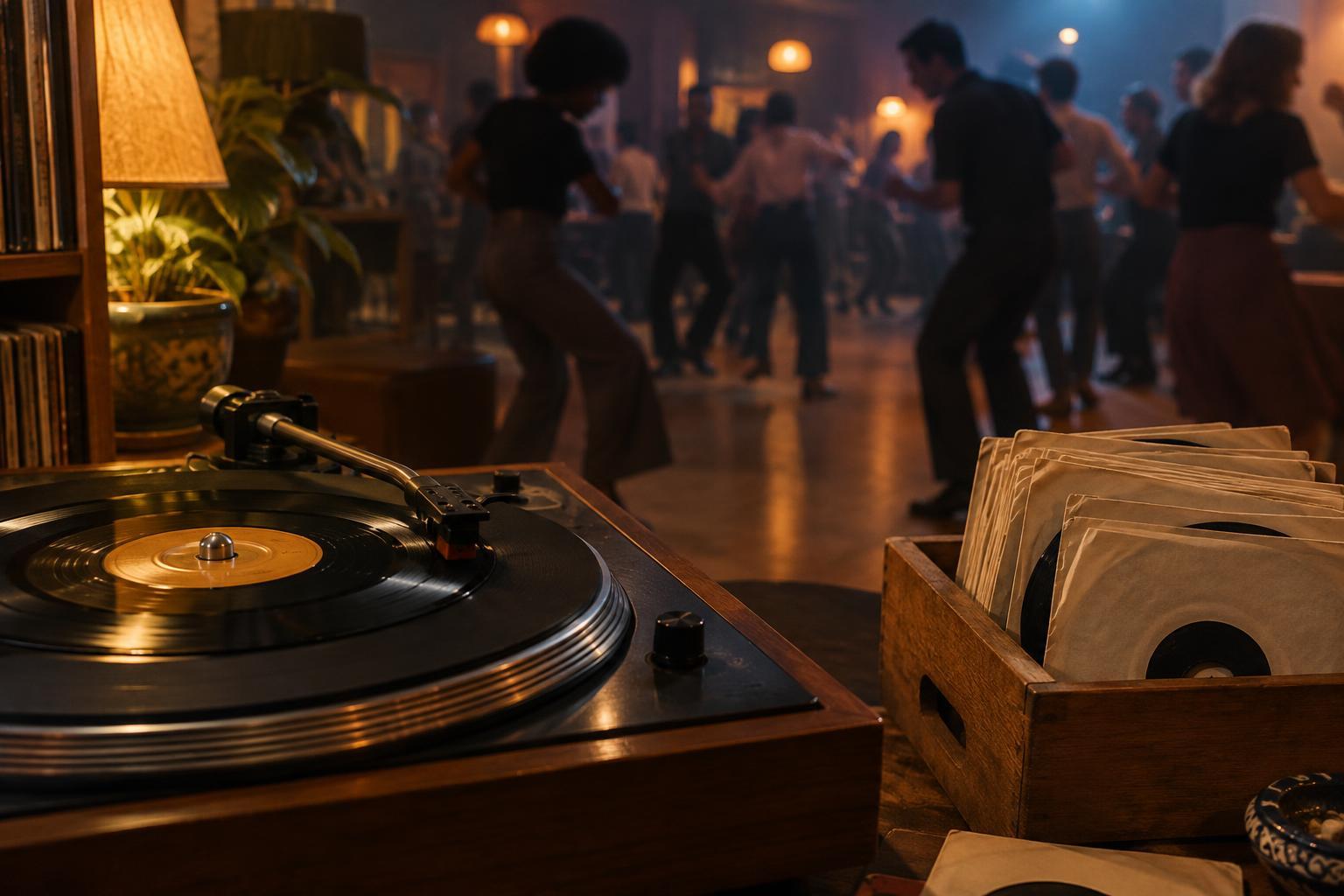
Northern soul means something different. It refers to a dance and collecting culture that developed in northern England and the English Midlands around American soul records. Dancers and DJs prized records that worked in packed clubs, including releases that had attracted little attention when they first appeared. The music came largely from the United States; “northern” describes the scene that embraced it, not where it was recorded.
These labels can overlap. A record might be a widely loved soul classic and still fill a northern soul dancefloor. Another might be cherished in northern soul circles while remaining unfamiliar to a casual soul listener. It helps to think of classic soul as a wide listening category and northern soul as a particular way of selecting, playing and valuing records.
Hear the pull of the dancefloor
For a first impression of northern soul, listen to the rhythm section. Many records associated with the scene have a driving, steady pulse, a prominent backbeat and a sense of forward motion. Handclaps, tambourine, bright horns or urgent backing vocals may add lift. The vocal can sound joyous, pleading or heartbroken, but the track keeps inviting movement. Not every northern soul favorite is fast, so treat these as clues rather than rules.
Classic soul offers a wider range of moods and pacing. Put on a slow, spacious ballad after a brisk dance track and notice how differently the singer uses time. In one, the beat may carry the performance toward a chorus; in the other, a pause or held note may be the emotional center. Both are soul. The distinction lies less in whether a record has feeling than in the setting where listeners have given it a lasting role.
Try listening once for pleasure and again with a single question in mind: what would a dancer follow? It might be the kick and snare, a repeated bass figure or the moment the chorus opens up. That second listen can reveal why a record with a modest arrangement could become powerful on a club sound system.
Understand why rarity matters—and why it is not everything
Record collecting is part of northern soul’s history. DJs searched for compelling records that other DJs were not playing, and a hard-to-find single could give a dancefloor a sound of its own. That search helped draw attention to performers and small-label releases that might otherwise have stayed obscure. For collectors, details such as the pressing and label can form part of a record’s story.
Rarity, though, is not a listening test. An expensive original pressing will not automatically move you, and an accessible reissue can carry the same performance into your living room. A record’s value to a scene, its market price and your enjoyment are separate things. If you are starting a collection, there is no need to chase scarce copies before you know which songs you want to hear again.
Classic soul can come with its own collecting questions: different mixes, album versions and reissues may change what you hear. Begin with the recording itself. Can you follow the vocal? Does the rhythm feel alive? Only then decide whether a particular format or pressing matters to you.
Build a listening session without getting lost in labels
Choose a handful of recordings described as northern soul and a handful presented as classic soul. Play them in mixed order, without looking at the labels. Jot down a few plain-language impressions: brisk or unhurried, sparse or lush, smooth or raw, easy to dance to or better suited to sitting still. You may find more variation within each group than you expected.
Next, look at how the selections were grouped. Was a track included because of its period and broad recognition, or because it became important to a dance scene? The answer may explain the label more clearly than its tempo does. If a song appears in both groups, that is not a mistake; it shows how a recording can have more than one life.
Finally, follow what catches your ear. A backing singer, drum pattern or particular kind of vocal delivery can lead you from a familiar classic toward a lesser-known dance record, or the other way around. For a vinyl listener, this is a useful way to browse a crate: listen for a connection rather than treating a genre divider as a boundary.
Keep the scene in the story
Northern soul is more than a playlist of upbeat old singles. Its meaning comes from dancers, DJs and collectors meeting around records and finding new uses for them. Classic soul, meanwhile, is a helpful invitation to explore a broad musical tradition, but it cannot describe every style within it.
You do not need to master the terminology before you enjoy either one. Listen for the groove, notice what the singer does with it, and stay curious about why a particular record matters to particular people. That approach leaves room for both the song in your headphones and the dancefloor history behind it.