Start with the relationship, not a rigid boundary
Reggae and dub are closely connected, but they are not simply two names for the same sound. A reggae song might bring a vocal, a steady bass line, drums, guitar or keyboard accents, and other instruments together in a recognizable arrangement. A dub version may draw on that recording while bringing the rhythm forward, removing parts of the song and treating the remaining sounds with echo or reverb. The result can feel both familiar and startlingly open.
Dub grew from Jamaican recording and mixing practices, yet it is useful to hear it as an approach as well as a style. Its techniques can appear in music beyond reggae, and not every instrumental reggae track is a dub. Rather than deciding by label alone, listen for how the mix handles its parts: what stays, what disappears and what returns sounding changed.
Use the bass and drums as your landmarks
When a dub mix seems sparse, begin by following the bass line through one full passage. Notice whether its notes repeat exactly, leave gaps or answer the drums. The bass often remains easy to follow even when other instruments vanish. That continuity gives you a way to hear the changes around it without losing your place in the rhythm.
Then shift your attention to the drum kit. Listen for the kick and snare, but also for smaller sounds such as a hi-hat or rimshot. A mixer may let a single drum hit ring out while the rest of the kit falls away. When the full rhythm returns, it can have more impact precisely because you heard the space before it. This push and pull matters more to the listening experience than a checklist of required instruments.
Hear what happens when sounds disappear
In a conventional song mix, an instrument may play throughout a verse or chorus. In dub, that same instrument might appear for just a few notes before dropping out. A fragment of vocal can arrive without the surrounding lyric; a guitar accent can flash by once and then leave the bass alone. These edits make familiar material feel less like a fixed performance and more like a conversation between sounds.
Echo and reverb help shape that conversation. Echo produces audible repetitions of a sound, while reverb gives it a lingering sense of space. A brief vocal phrase might repeat over several beats, or a snare hit might leave a trail after the original strike has stopped. Try listening to the trail as carefully as the hit itself. Does it fill an empty stretch, overlap a new sound or fade just before the rhythm returns? Those choices can make the mix feel playful, tense or spacious.
Compare a song and its dub version
If you have a vocal recording and a related dub version, play them close together. First, identify one element you can follow in both, such as the bass line. Next, listen for a vocal, horn phrase or keyboard part that changes position or disappears in the dub. Finally, pay attention to the moments of return. The exercise is not about finding which version is more complete; it is about hearing how different choices direct your attention.
Record labels and sleeves may help you spot related versions, but titles alone do not guarantee that two tracks use the same underlying recording. If the connection is unclear, compare the rhythm and melody by ear without forcing a match. You can also try the exercise with any two mixes of a track. Dub offers a particularly vivid way to notice something true of all recorded music: a mix influences which parts of a performance we hear most clearly.
Make room for the details on vinyl
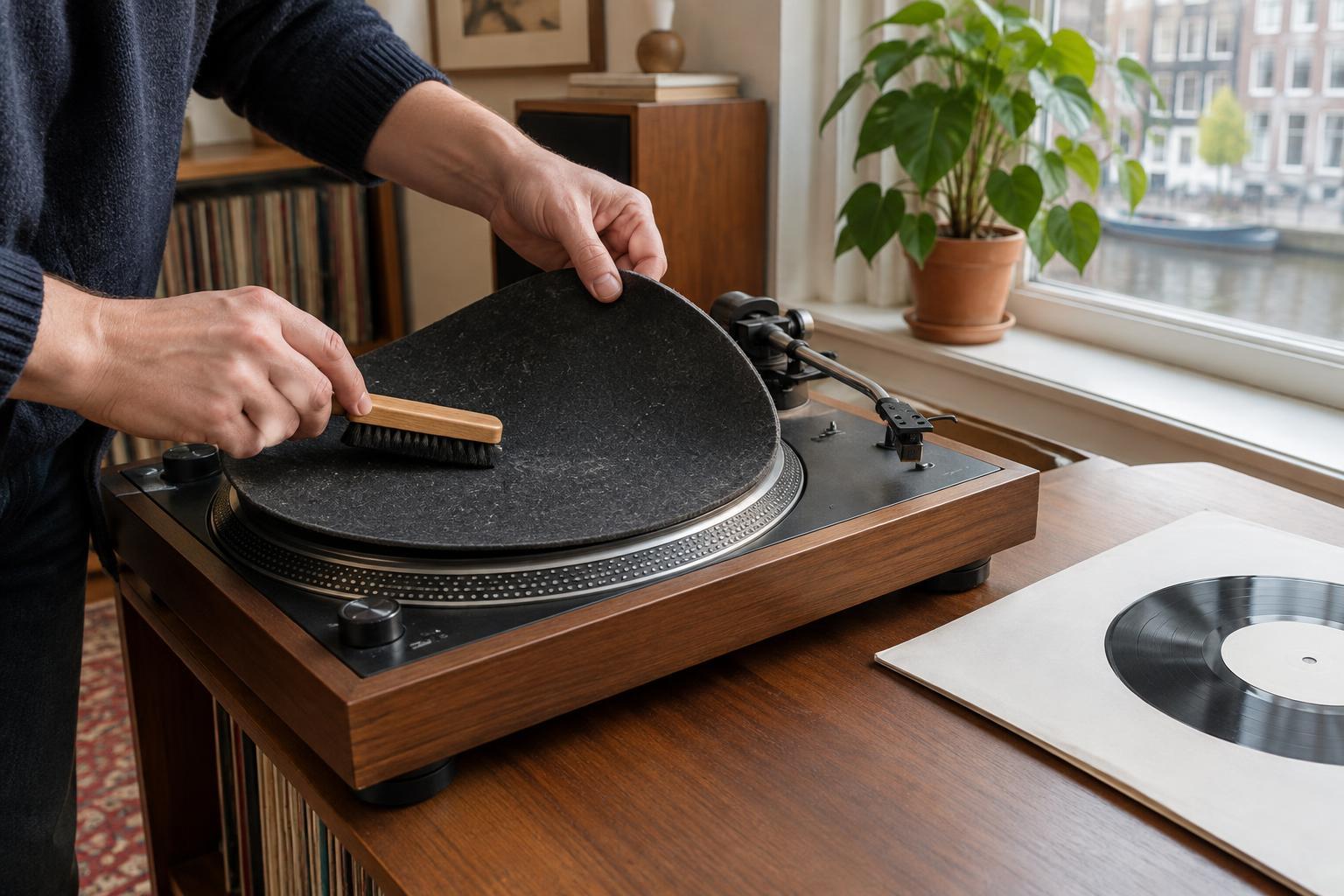
A comfortable listening level is enough to follow the rhythm; turning the volume up is not necessary to appreciate bass or effects. If your setup has tone controls, try listening once with your usual settings before changing them. Heavy bass adjustment may make the low end more obvious while obscuring the relationship between bass, kick drum and the other sounds. Clear tracking and a clean record also make quiet dropouts easier to distinguish from unwanted noise.
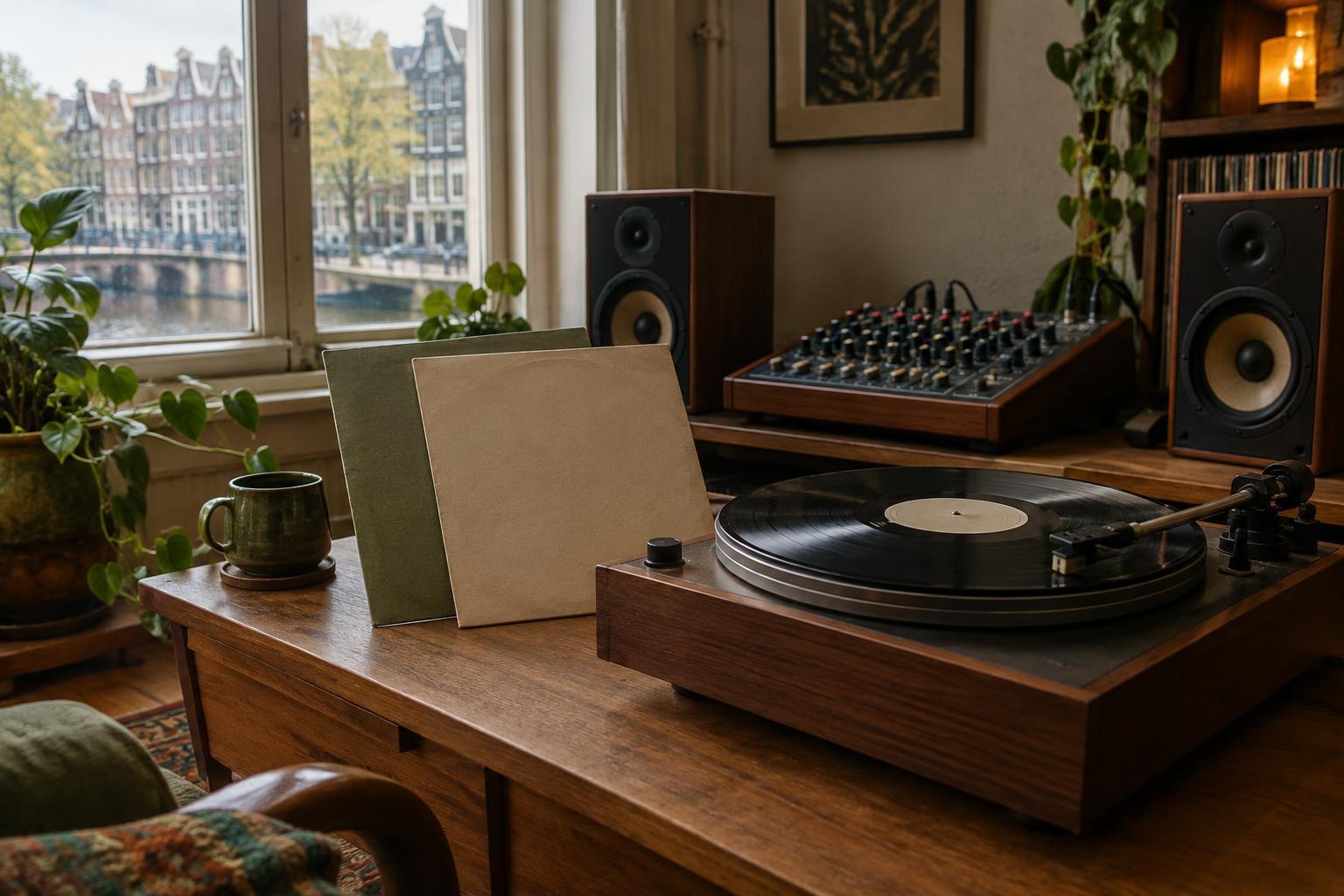
For a focused session, play one side without interruption and choose a different element to follow on each track: bass first, drums next, then the echoes and sudden silences. Dub rewards repeat listening because the small events are part of the arrangement. Once you begin to notice them, the space between sounds can feel as deliberate as the sounds themselves.