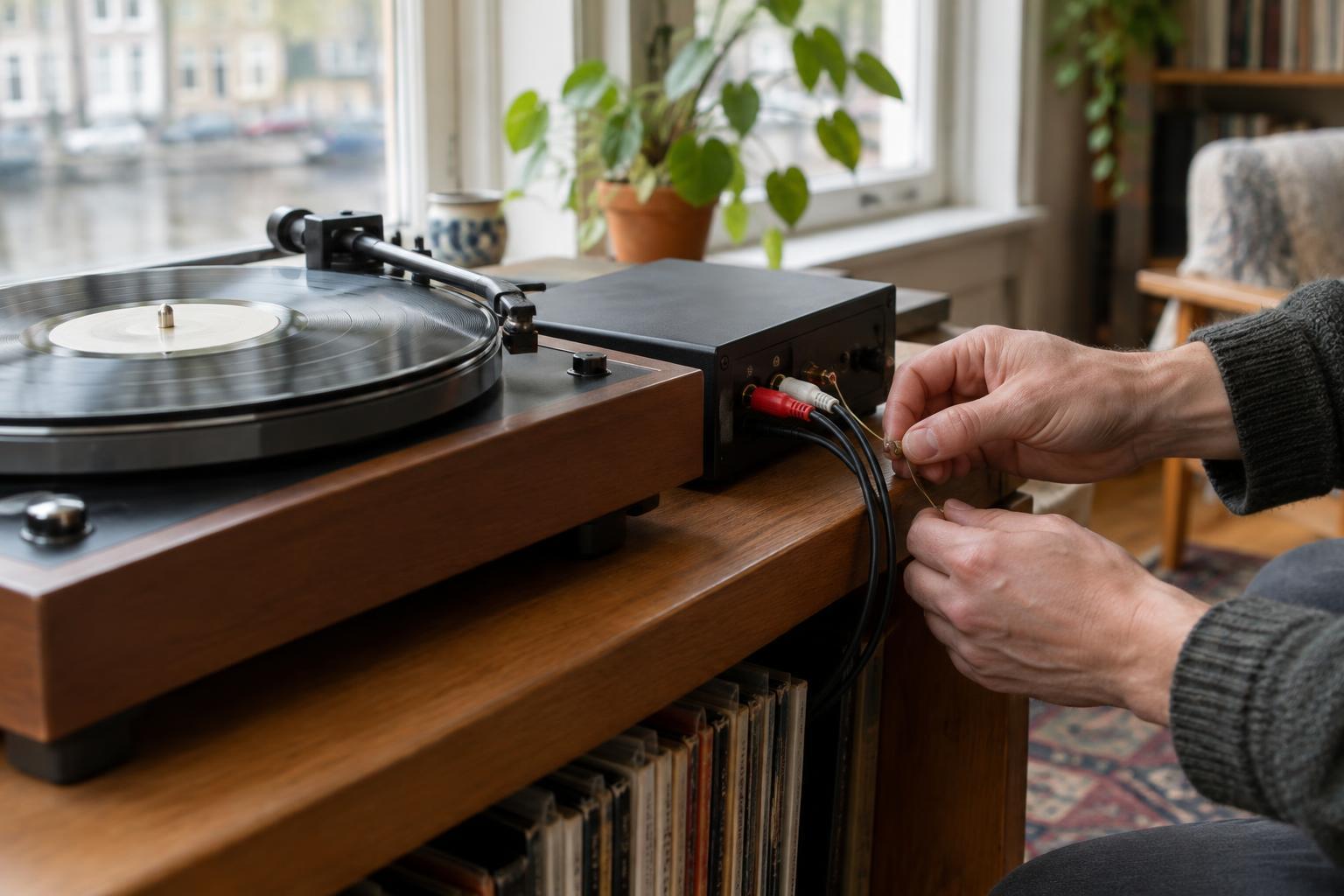
Start with the listening triangle
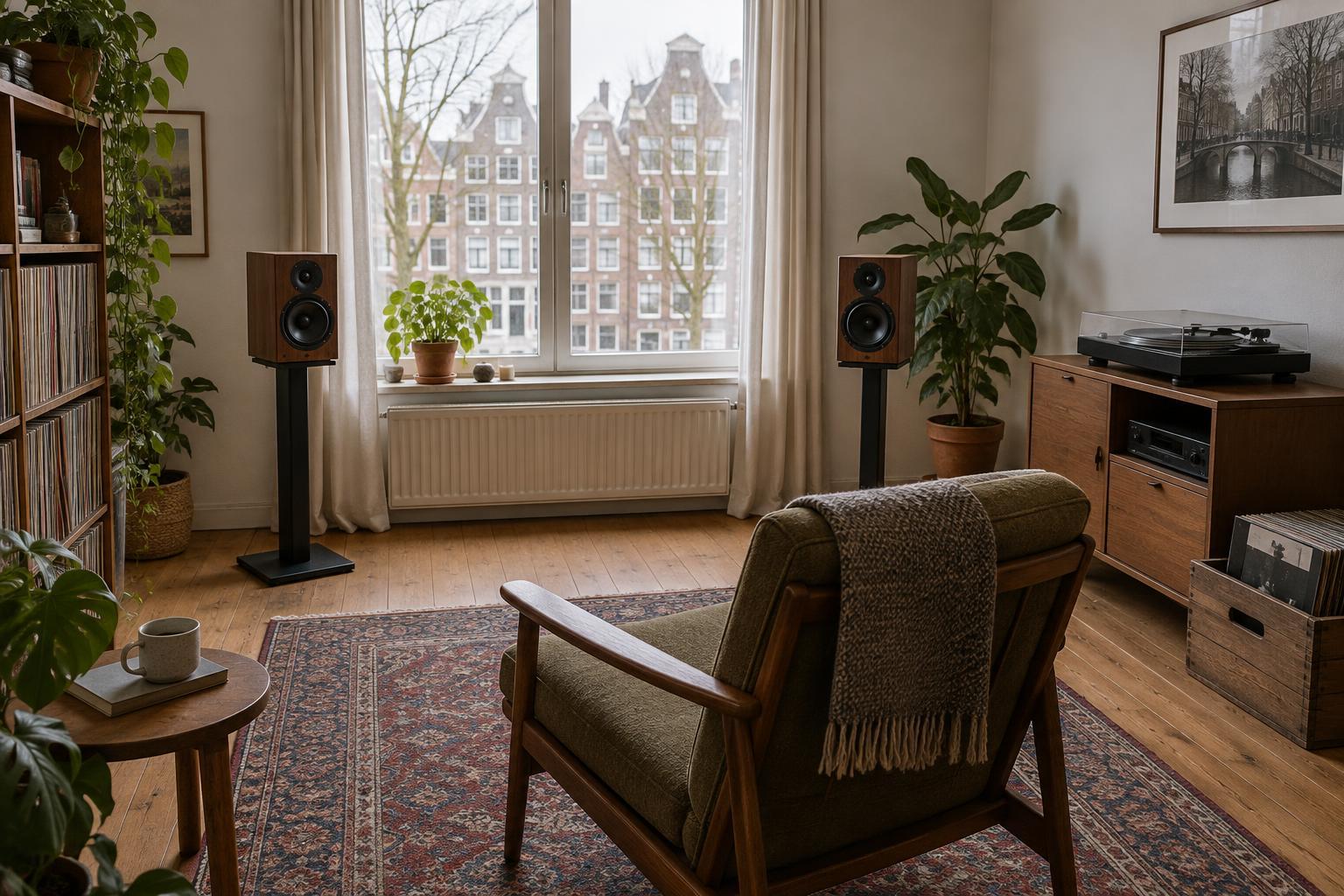
Speaker placement does not require a perfect room or expensive measuring equipment. Begin by putting the left and right speakers at roughly equal distances from your usual listening seat. As a starting point, make the distance between the speakers similar to the distance from either speaker to your seat. This creates a listening triangle that you can adjust to fit the space.
Try to place the speakers at the same height, with their tweeters near ear level when you are seated. If one speaker sits on a shelf and the other on a low cabinet, voices and instruments may seem to pull toward one side. Matching their surroundings as closely as you can is often more useful than chasing exact measurements.
Give the speakers some breathing room
In a small room, it is tempting to push speakers tight against the wall to save floor space. That may make bass sound heavier or less distinct, depending on the speakers and the room. If possible, start with a little space behind them and listen before moving them closer. Check the speaker maker’s placement guidance when you have it, especially if a bass port faces backward.
Side walls also matter. A speaker tucked into a corner may sound different from one standing in open space. Aim for a reasonably symmetrical layout, then work around unavoidable features such as a doorway or bookcase. You do not need an empty room: furnishings can help break up reflections, though their effects are hard to predict without listening.
Keep turntable vibration in mind
Vinyl adds a placement concern that digital playback does not have in quite the same way. A stylus follows tiny movements in a record groove, so vibration from nearby speakers can reach the turntable through furniture or the floor. At higher volumes, that vibration may contribute to rumble or, in a severe case, audible feedback. Do not use the same shelf for speakers and turntable if you can avoid it.
Put the turntable on a stable, level surface away from the speakers. Speaker stands or sturdy supports can help separate the equipment, but they are not a substitute for checking the result. If bass notes make the turntable surface visibly shake, try moving the speakers, reducing the volume or finding a more stable position for the turntable.
Adjust angle and bass in small steps
Once the basic layout is set, point the speakers toward your listening position and play a familiar record. This inward angle, often called toe-in, can change how clearly the center image comes across. Try them facing straight ahead, then angled slightly inward. Keep both sides matched and choose the position that makes a centered vocal feel steady without making the sound too narrow for your taste.
Next, move the speakers a small distance forward or backward and listen to bass lines and kick drums. You are looking for notes you can follow, not simply the most bass. Room boundaries can emphasize some notes and weaken others, and the best position may be a compromise with furniture and walking space. Change one thing at a time so you can tell what made the difference.
Make the room work for everyday listening
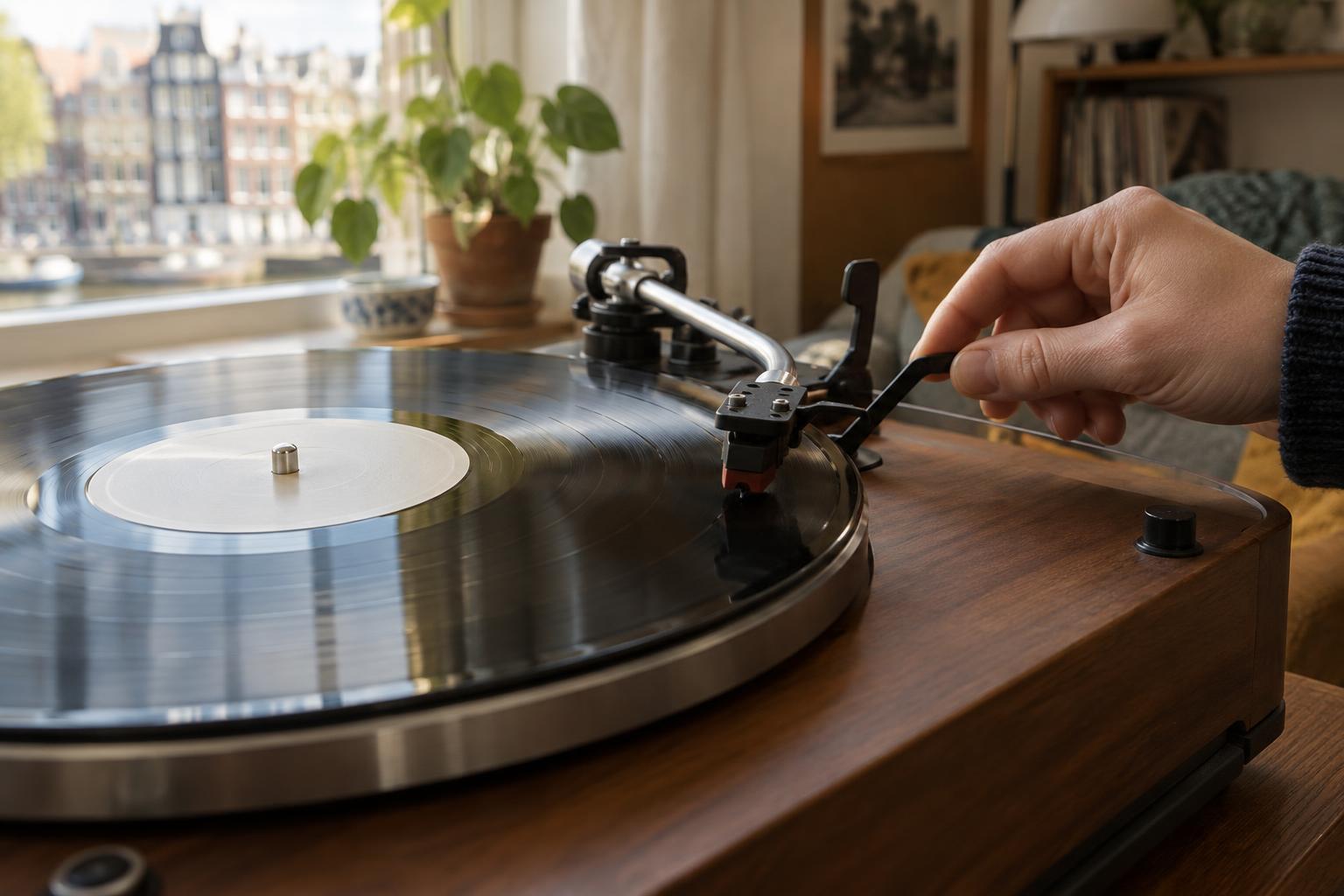
A small vinyl setup should be comfortable to use. Leave enough space to handle records safely, reach the tonearm and clean a side without squeezing past a speaker stand. Keep speakers clear of loose objects that might rattle. If you share walls, moderate listening levels may also make it easier to judge the sound without turning bass into a room-shaking test.
Finally, check the setup from the seat where you actually listen, not only from the center of the room. Use a few familiar records with different arrangements: a voice, a bass-led track and a busy recording can reveal different placement problems. Once the sound feels balanced and the turntable is steady, stop moving things for a while. The purpose of placement is to enjoy the records, not to keep the room in a permanent state of adjustment.