A moving part of the city’s sound
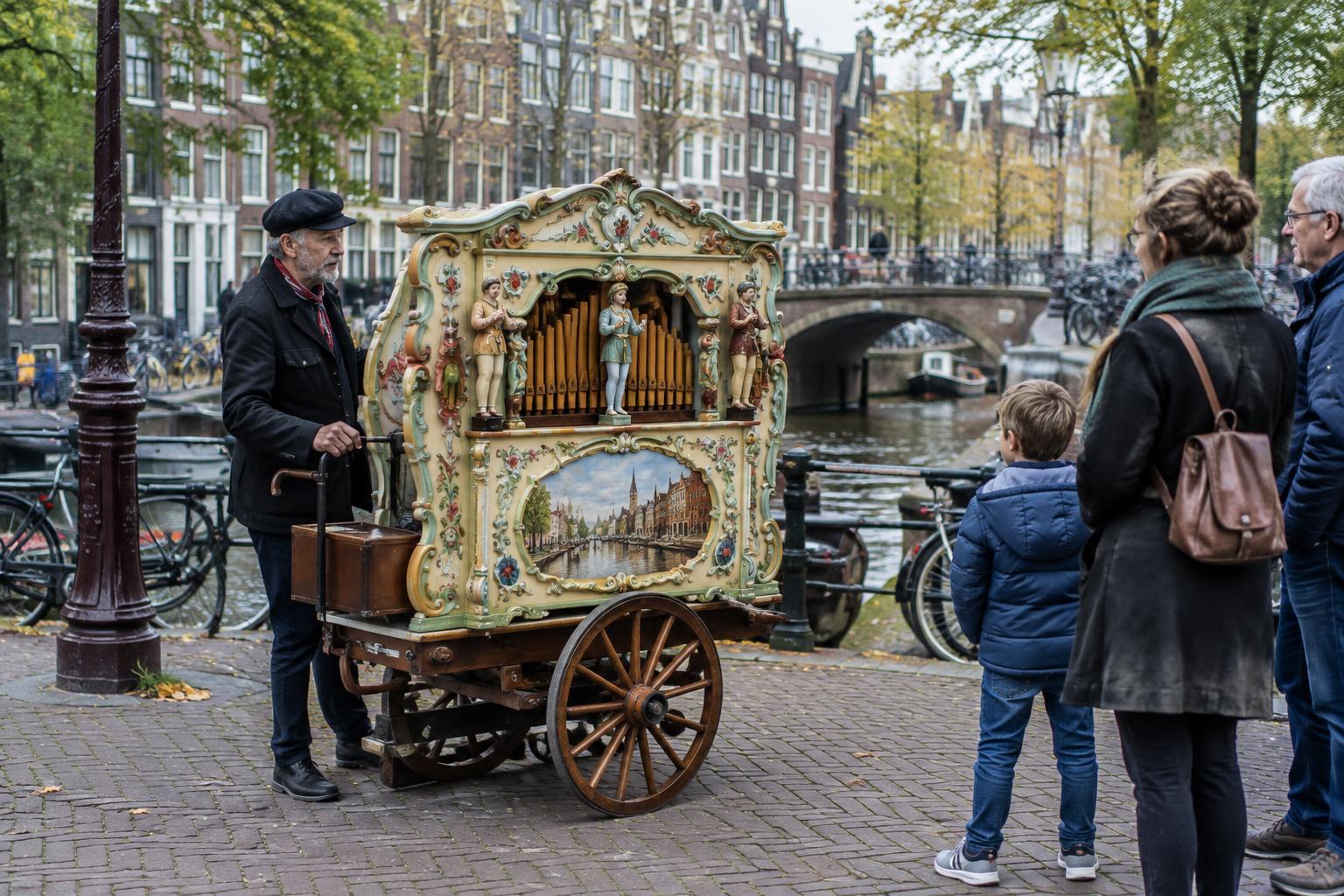
A Dutch street organ, or draaiorgel, is hard to mistake for background music. Its decorated case, bright pipes and rolling rhythm announce themselves across a square or market street. In Amsterdam, that sound belongs to a tradition of music made for public space: it reaches people who were not planning to attend a concert and gives a familiar street a different tempo for a few minutes.
Street organs became a feature of Dutch urban life when portable mechanical instruments brought music beyond theatres and private rooms. Operators could move between busy places and play for passers-by, making a performance part of the everyday exchange of a street. The tradition has changed with the city. Traffic, pedestrian space, local rules and the work of transporting and maintaining a large instrument all affect where an organ can be heard.
That history is best understood as a living practice rather than a soundtrack preserved unchanged. An organ may look old-fashioned, yet the person operating it is doing practical work: positioning the instrument, feeding its music mechanism, tending to its sound and responding to the space around it.
How the instrument makes its music
A street organ uses air to sound its pipes, but it does not need a player pressing each note on a keyboard. A mechanical system reads a prepared arrangement and directs the air that produces the tune. Depending on the instrument, that arrangement may be carried on a pinned cylinder or a folded book of punched cardboard. A motor may provide power on an organ that once relied on hand operation.
Listen past the main melody and the arrangement becomes more revealing. Bass notes mark out the pulse; higher pipes cut through conversation; percussion on some organs adds accents that help the music carry outdoors. The result can seem almost orchestral, even though the available sounds and the physical format of the music place limits on what can be played. Those limits are part of its character: a tune adapted for street organ may feel quite different from the recording that made it familiar.
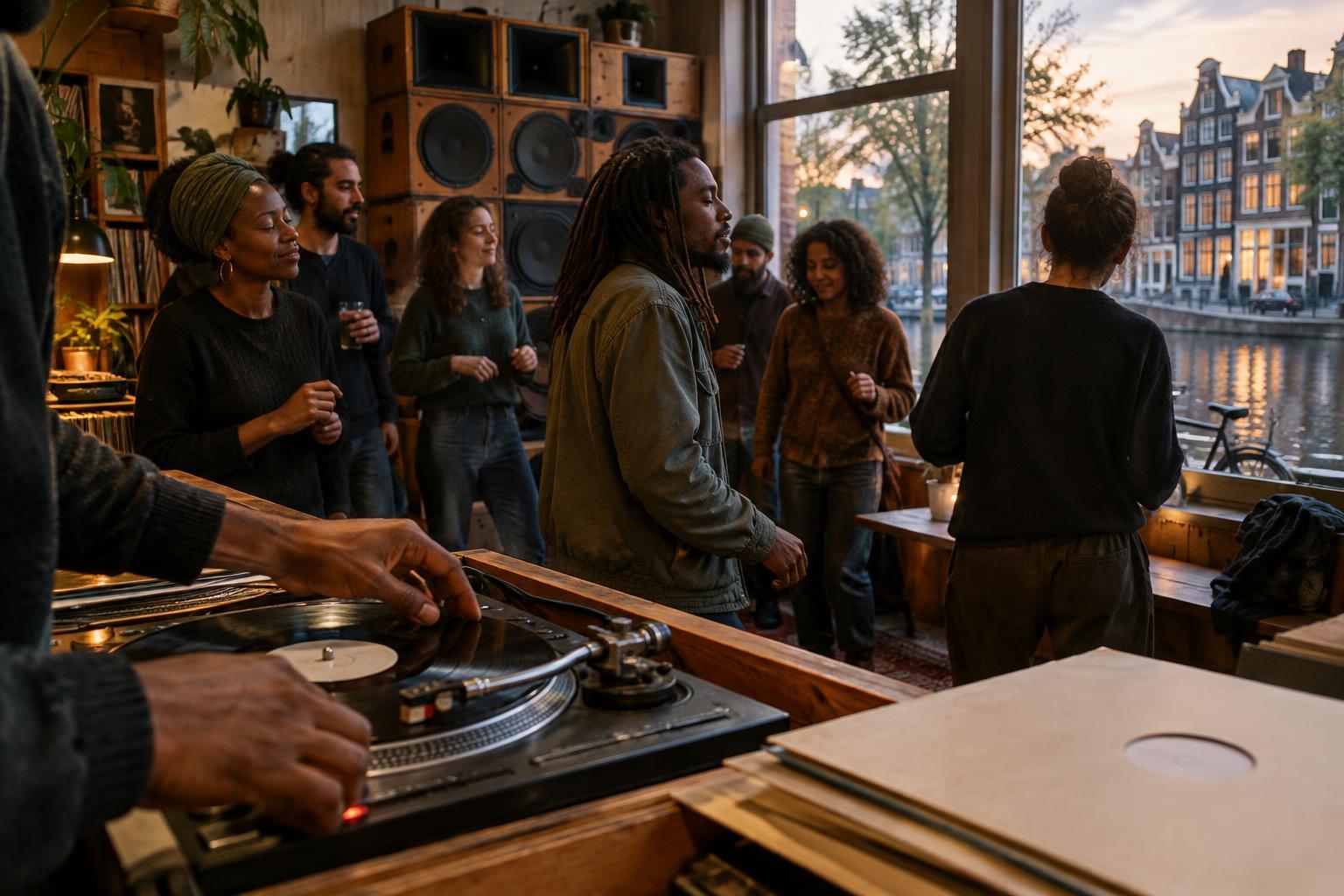
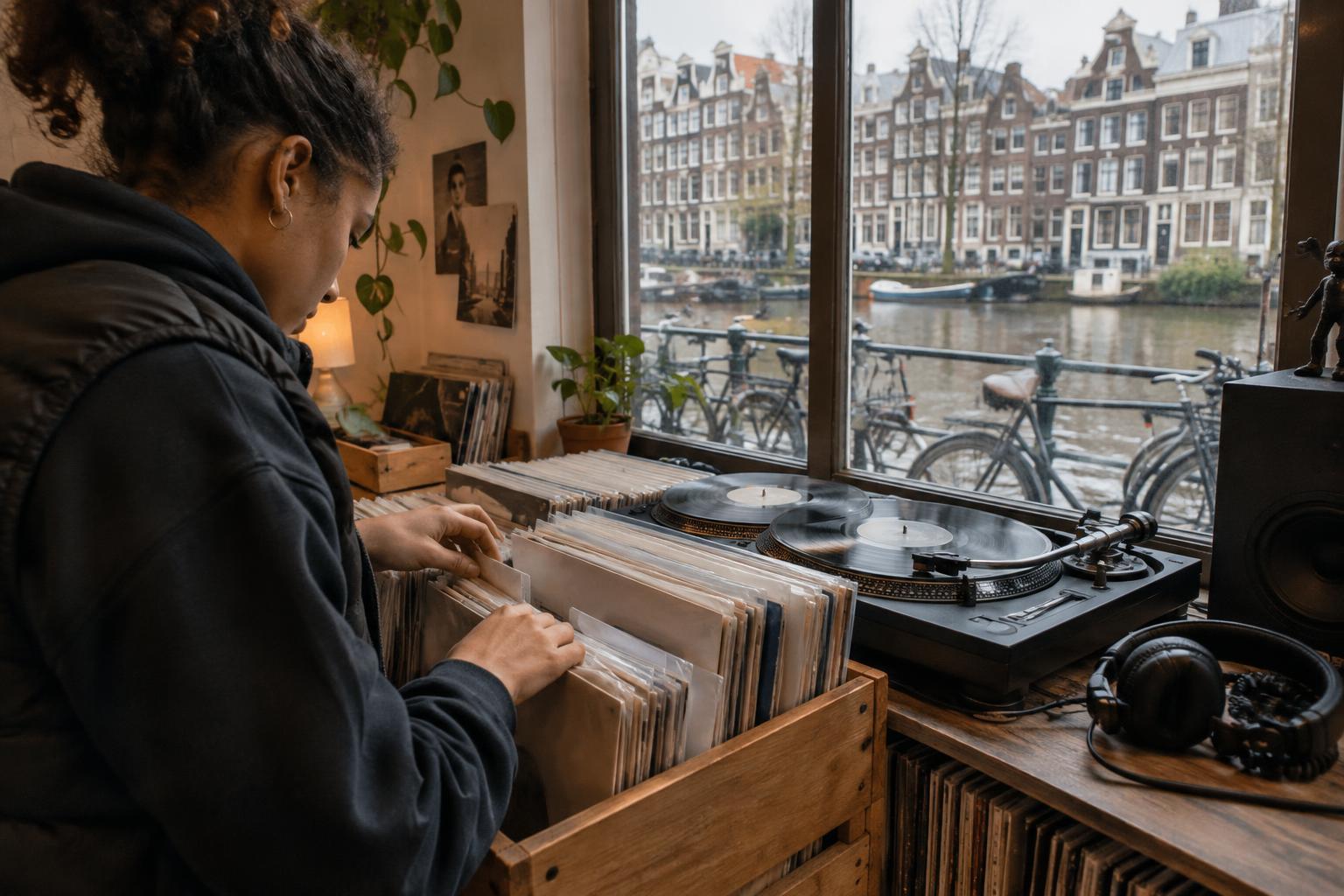
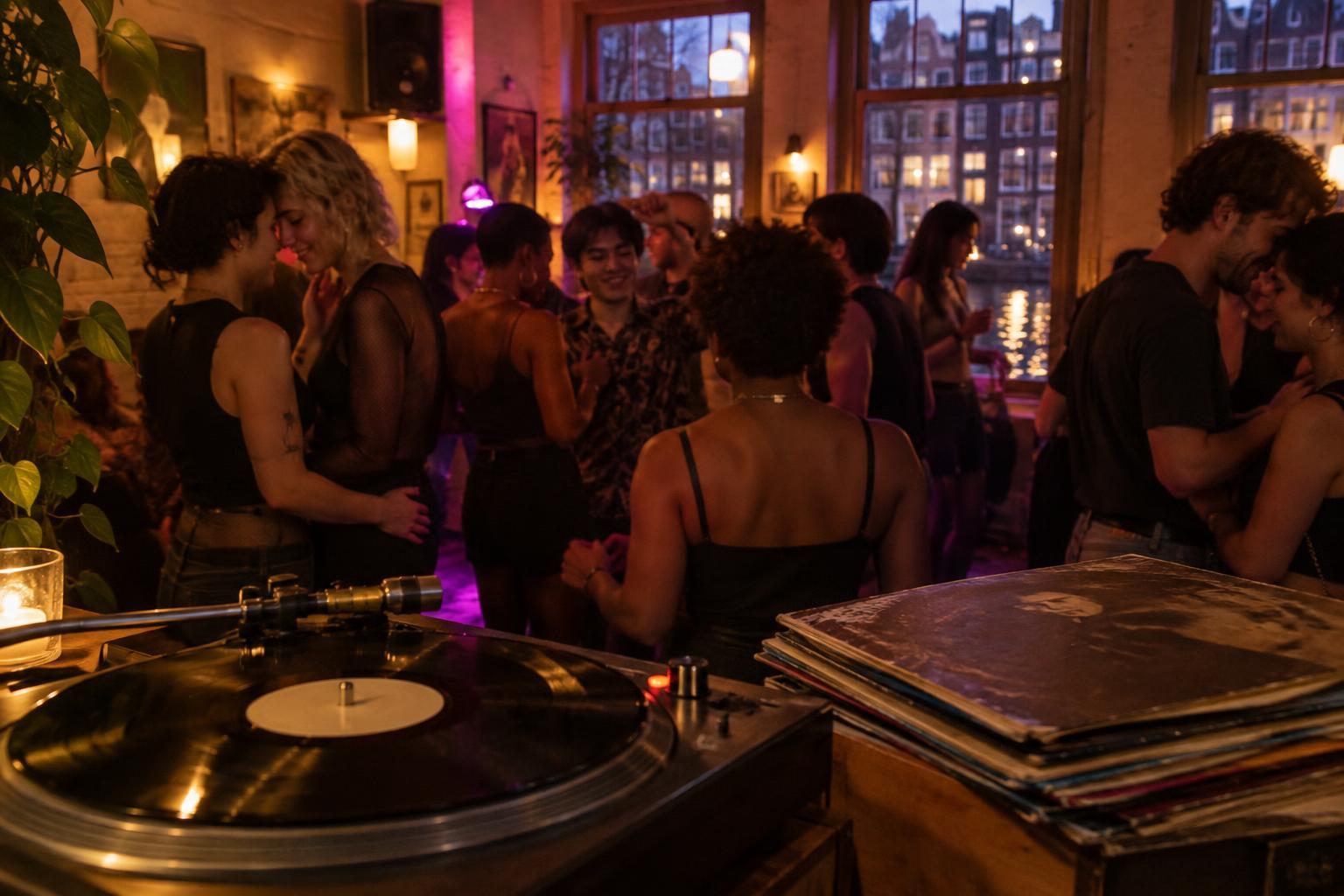
For vinyl listeners, there is a useful parallel. A record groove and an organ book are very different technologies, but both hold a particular performance in a physical medium. Neither plays itself. Equipment condition, adjustment and the person putting the music into motion shape what reaches the listener.
A repertoire made for recognition
Street-organ music is not confined to one period or genre. Waltzes, marches, dance melodies and popular songs can all suit an instrument built to project in an open space. A tune that people recognise quickly has an obvious advantage on a busy street, where listeners may catch only a chorus before walking on. Repertoire can change as arrangements are made and operators choose what works for their instrument and audience.
Try listening to the choice of tune as well as the mechanics. Does the arrangement emphasise a strong beat, a sweeping melody or a playful exchange between pipe voices? Does a song you know acquire a new mood at street-organ pace? The pleasure is often in that translation. Like a cover version found while crate-digging, it can make familiar music sound newly strange.
It is tempting to treat the organ as a relic of an earlier Amsterdam. Its ability to absorb different popular tunes makes that description too narrow. The decorated machine may invite nostalgia, but its repertoire connects past and present through songs people can still hum.
Where and how to listen in Amsterdam
There is no need to build a visit around a promised street-organ appearance. Performances can depend on the operator, weather and the suitability of a location. Instead, leave room for a chance encounter while walking through pedestrian-friendly shopping streets and market areas. The streets around the Jordaan, Nieuwmarkt or the Albert Cuyp Market can form enjoyable music-minded walks, but none should be treated as a guaranteed place or time to hear an organ.
If you do find one, step to the side before stopping so that shoppers, cyclists and the operator have room to move. Listen from nearby and then from farther down the street: buildings and corners change the balance between melody, bass and percussion. Watch the music book travel through the instrument if it is visible, but avoid touching the organ or blocking access to it.
A street-organ performance asks little of its audience. You can pause for one tune, offer a contribution if the operator is collecting one, and carry on with a melody in your head. That brief, unplanned encounter is part of what makes the instrument a distinctive way to hear Amsterdam.