A city in conversation with other scenes
Amsterdam did not invent house or techno. House grew from dance-floor communities in Chicago, while Detroit is central to techno’s early development. Understanding Amsterdam’s traditions begins by recognizing those roots. Records, DJs and listeners carried the music across borders, where people encountered it in clubs, on radio and in record shops. Local scenes then made their own choices about what to play, how to mix it and what kinds of gatherings to build around it.
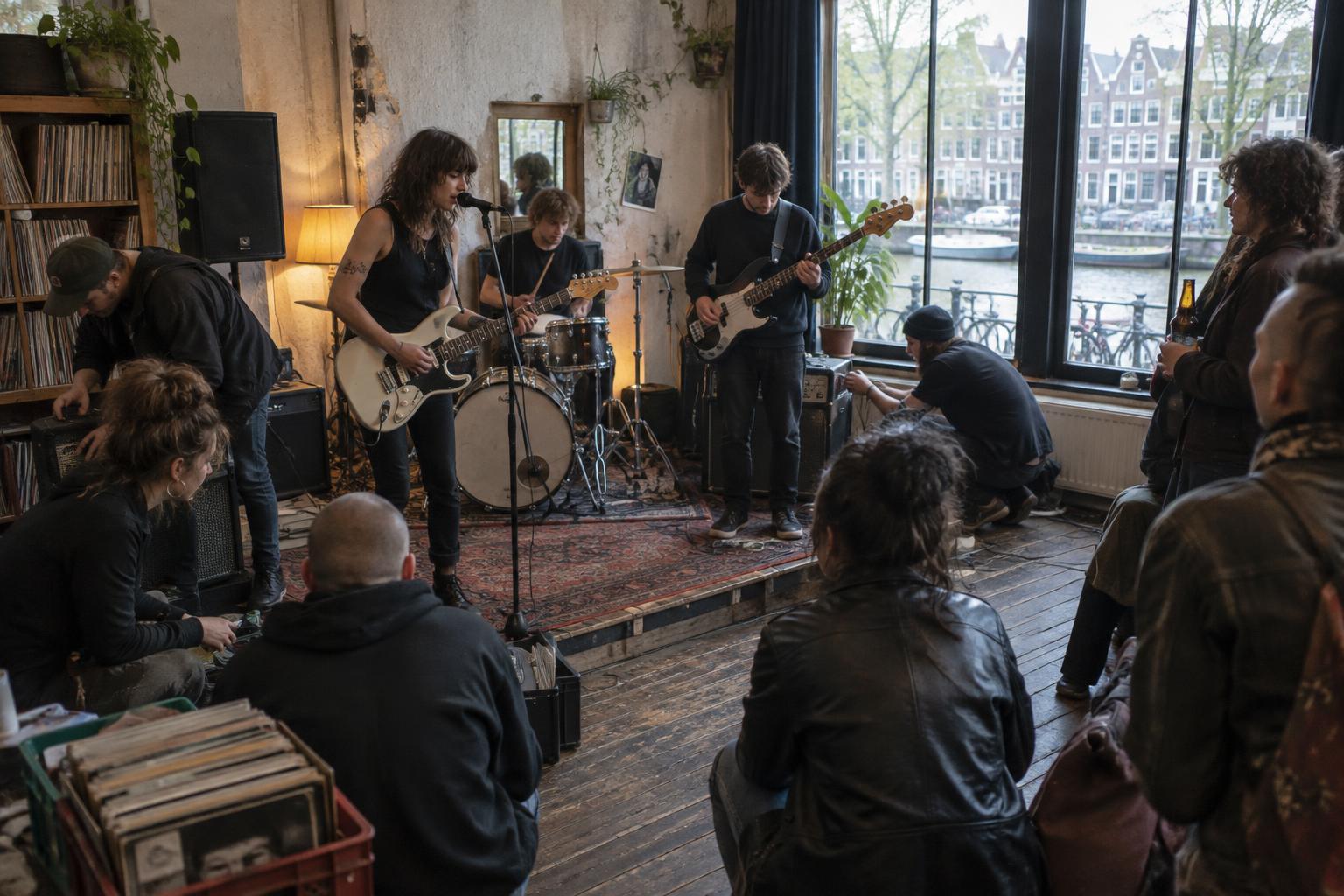
That process makes a city’s sound difficult to pin down to one style. Amsterdam’s dance culture includes small rooms, larger events, specialist shops and informal networks of friends sharing records. Each offers a different experience of the same track. An acid line heard in a shop might invite close attention; heard through a club system, it becomes part of a shared physical rhythm. Both settings shape how people come to know the music.
What to listen for in house and techno
House and techno often share a steady kick drum and a structure that helps DJs blend one record into another. The distinction is useful, but it is not a strict border. House frequently foregrounds swing, warmth, vocals or references to disco and soul. Techno may put more emphasis on repetition, texture and the changing relationship between drum patterns and electronic sounds. Plenty of records draw from both, and a DJ may move between them in a single set.
To hear what makes a track work, follow one element at a time. Notice whether the hi-hats push the rhythm forward or leave room for it to breathe. Listen for a bass line that changes only slightly but alters the mood, or for a vocal fragment that feels different each time it returns. Long passages are not necessarily empty space: they give dancers and DJs time to settle into a groove before a small shift takes on greater force.
Why spaces and communities matter
A tradition is more than a collection of records. DJs introduce music to new listeners, promoters bring people together, and dancers respond in ways that influence what happens next. Record shops and radio programmes can create paths between private listening and public nightlife. These roles overlap: someone who starts by buying a record might later share it with friends, make a mix or help organize a night.
It is tempting to describe any city’s club culture through a handful of famous venues or a single idea of the dance floor. That misses the variety of people who sustain it. Different rooms welcome different sounds and habits, and access to those rooms can change. Paying attention to a night’s atmosphere, its audience and the care taken by its organizers often tells you more than a genre label on a flyer.
Exploring the music through records
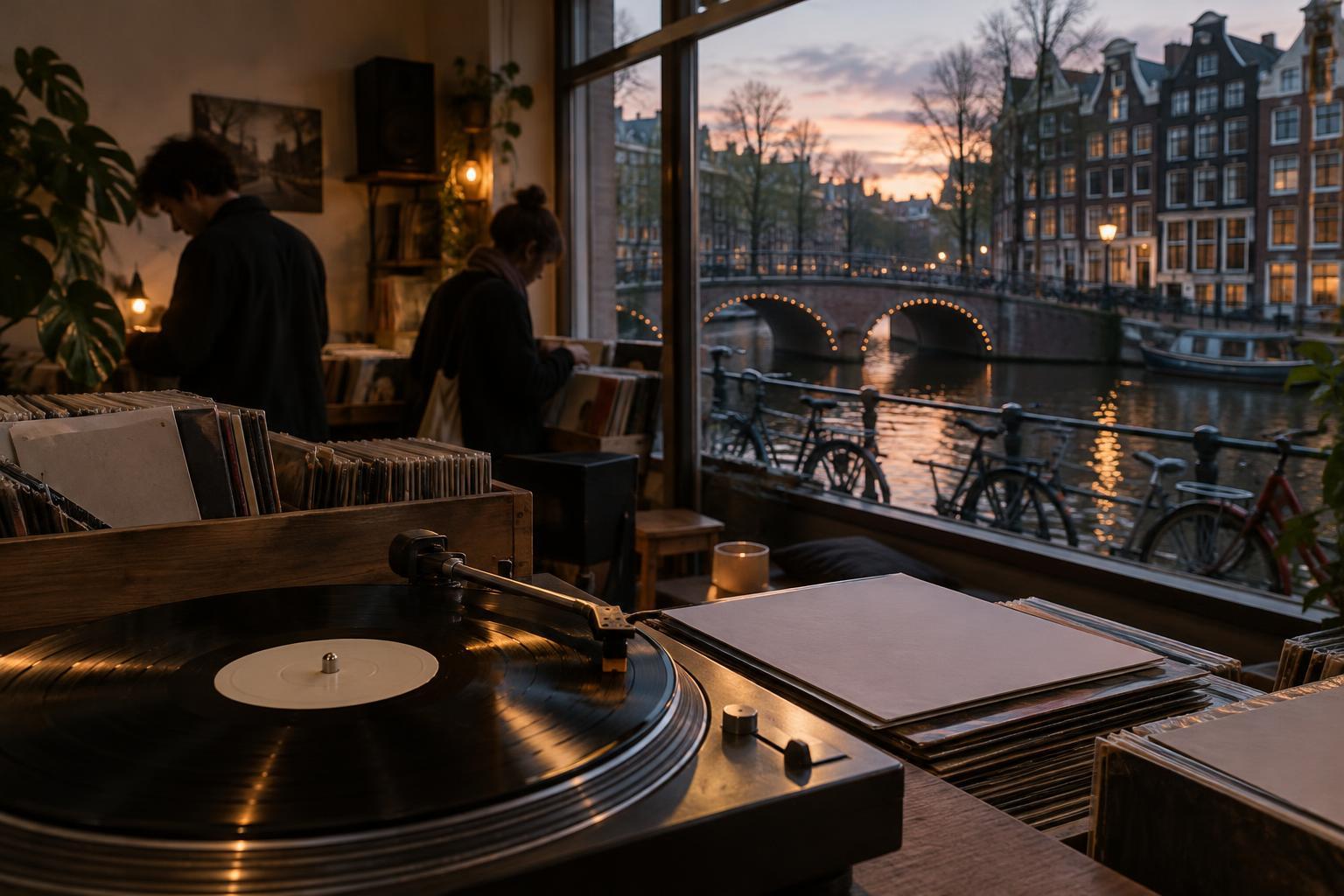
Vinyl offers one way to trace connections without treating a record collection as a definitive history. In a shop, browse across house, techno, disco, electro and other neighbouring sections. Labels and sleeve notes can offer clues, but listening is the better test: a record filed under one genre may fit naturally beside another. If a listening station is available, sample a quieter passage as well as the most immediate beat. That can reveal whether a track holds your interest beyond its first impression.
A small, varied selection is often more illuminating than a stack of records chosen to represent a supposedly typical Amsterdam sound. Try pairing a vocal house track with a sparse techno record and an unfamiliar release found through a local DJ’s mix or a shop recommendation. Notice what connects them and what does not. When browsing, handle sleeves carefully, return records to their places and leave listening equipment ready for the next person.
Listen beyond the label
The most useful way into Amsterdam’s house and techno traditions is to stay curious about both the music’s origins and its local life. Genre names can guide a search, but they cannot tell you how a room will feel or why a particular record matters to the people playing it. A patient listener can hear inherited ideas alongside individual choices: a familiar rhythm approached from a different angle, or an unexpected track placed at just the right moment.
Whether you are at home with a turntable or out listening to a DJ, start with the details you can hear. Follow the rhythm, notice the transitions and give unfamiliar sounds time to develop. Amsterdam’s contribution is not a single formula to memorize. It is an ongoing practice of finding, sharing and hearing dance music together.